
The 2026 USA Coolcation Travel Surge: Why Vacationers Are Ditching Hot Beaches for Alaska, Michigan, and the Pacific Northwest
American travelers are shifting to Coolcations in 2026, trading 100°F southern heat for 55–80°F retreats in Alaska, Michigan, and the Pacific Northwest.

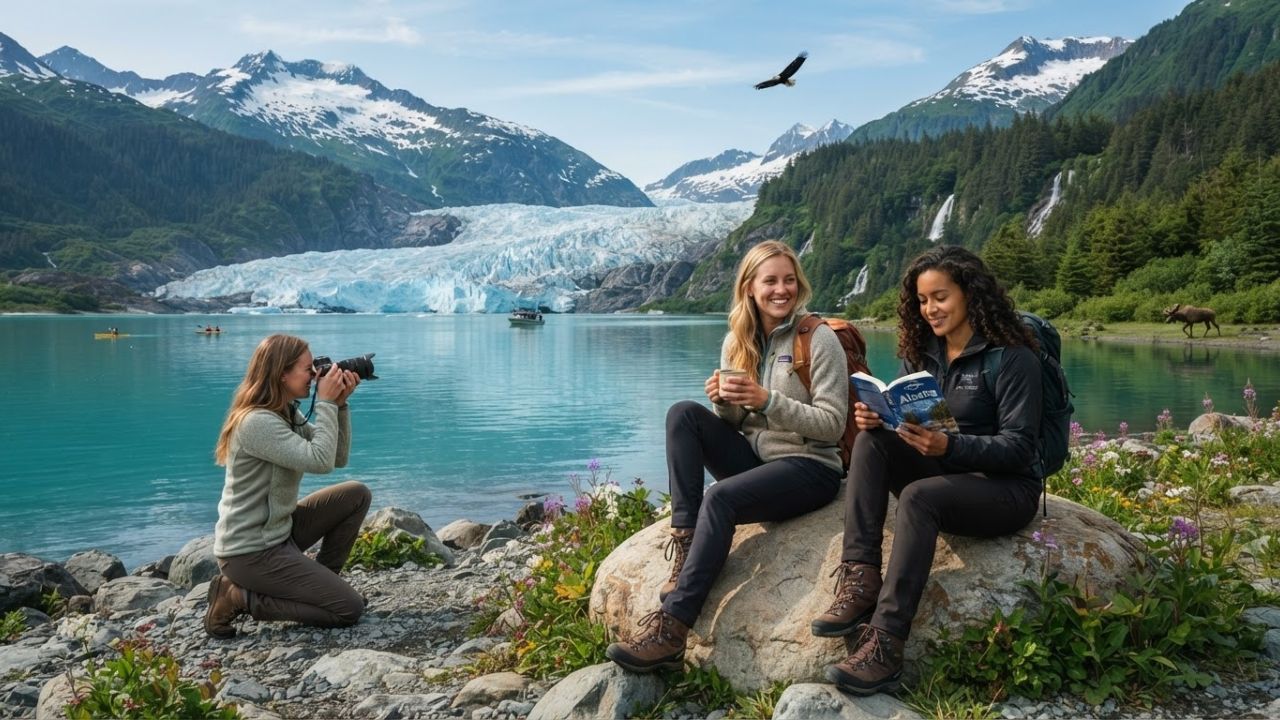
Image generated by AI
To escape extreme summer heatwaves reaching 100°F in southern states, American vacationers are embracing "Coolcations"—heading north to Alaska, the Pacific Northwest, and the Great Lakes for comfortable 55–80°F summer outdoor trips.
A shift in domestic travel behavior is redefining the American summer vacation in 2026. Rather than booking trips to traditional southern beaches or desert resorts facing high summer heat, vacationers are traveling north toward cooler climates, freshwater lakes, and temperate mountain corridors.
Known across the travel industry as the Coolcation movement, this shift offers visitors outdoor recreation in destinations where summer temperatures remain comfortable throughout daytime hours.
Comparative Temperature Benchmarks Driving the Trend
The rise in northern summer travel is directly tied to extreme thermal variations between southern and northern US regions during peak summer months:
- Southern Heat Corridors: Florida, Texas, Arizona, and Nevada regularly encounter heatwave spikes reaching 95–100°F (35–38°C), restricting outdoor activities.
- Coastal Michigan & Great Lakes: Summer temperatures along Lake Michigan range between 70–80°F (21–27°C), supporting comfortable beach trips and watersports.
- Alaska Coastal Destinations: Coastal regions across Anchorage, Juneau, and the Kenai Peninsula maintain mild summer averages of 55–70°F (13–21°C) under extended daylight hours.
- Pacific Northwest Forest Corridors: Mountain and rainforest areas throughout Washington and Oregon offer cool, temperate weather across high-altitude trails.
Core Regional Destinations Benefiting from Coolcation Growth
1. Alaska Wilderness and Coastal Fjords
Alaska has become a primary beneficiary of summer climate shifts. Destinations such as Anchorage, Juneau, and the Kenai Peninsula attract visitors seeking glacier trekking, whale watching tours, and national park exploration in mild weather.
2. Pacific Northwest Forest and Mountain Parks
Washington and Oregon offer access to Olympic National Park, the Mount Rainier region, and the Cascade Mountains. The mild climate supports forest bathing, trail hiking, and mountain lake recreation without extreme heat risks.
3. Great Lakes Freshwater Beaches
Michigan, Wisconsin, and Minnesota offer freshwater beach alternatives to traditional ocean resorts. Communities along Lake Michigan provide sandy shorelines, sailing, and kayaking paired with moderate 70°F weather and lower lodging rates.
| Destination Region | Average Summer Range | Key Outdoor Activities | Heat Relief Advantage |
|---|---|---|---|
| Alaska Coast (Anchorage, Juneau, Kenai) | 55–70°F (13–21°C) | Glacier hiking, whale watching, mountain trekking | 30–45°F cooler than southern heatwave corridors |
| Pacific Northwest (Washington, Oregon) | 65–78°F (18–26°C) | Rainforest hikes, alpine lake paddling, mountain trails | Moderate temperate weather with high tree canopy cover |
| Great Lakes Coastline (Michigan, MN, WI) | 70–80°F (21–27°C) | Freshwater swimming, kayaking, beach town dining | Comfortable beach vacation climate without ocean humidity |
| Southern Hubs (Florida, Texas, AZ, NV) | 95–100°F+ (35–38°C+) | Indoor resort activities, early morning recreation | High heat index limits mid-day outdoor activities |
Key Takeaways
- The Coolcation Movement: Vacationers are actively avoiding 100°F southern summer heat waves in favor of northern destinations with 55–80°F averages.
- Alaska Ecotourism Lead: Extended daylight hours and 55–70°F coastal temperatures make Anchorage and Juneau top choices for glacier hiking and wildlife viewing.
- Freshwater Great Lakes Alternative: Lake Michigan beach towns offer comfortable 70°F swimming and boating at lower price points than coastal resorts.
- Long-Term Climate Adaptations: Tourism boards across northern states are expanding summer marketing campaigns to capture climate-conscious travelers.
FAQ
What is a Coolcation travel trend?
A Coolcation refers to the practice of taking summer vacations in cooler, northern destinations (such as Alaska, Oregon, or Michigan) to avoid extreme heat in southern resort areas.
How much cooler is Alaska compared to Florida in the summer?
Coastal Alaska averages 55–70°F (13–21°C) during summer months, which is roughly 25 to 40°F cooler than Florida's 95–100°F summer heatwaves.
Which Great Lakes states are popular for Coolcations?
Michigan, Wisconsin, and Minnesota are popular for Great Lakes Coolcations, offering sandy beaches and sailing in mild 70–80°F temperatures.
Disclaimer
This article is for informational and educational purposes only. It does not constitute legal, financial, or professional advice. While we strive to provide accurate and up-to-date information, travel policies, regulations, and conditions change rapidly. Always verify information with official sources before making travel decisions. Nomad Lawyer makes no representations about the accuracy, reliability, completeness, or suitability of the information provided. Readers should consult qualified professionals for advice specific to their circumstances. The views expressed in this article are those of the author and do not necessarily reflect the views of Nomad Lawyer.
Kunal K Choudhary
Co-Founder & Contributor
A passionate traveller and tech enthusiast. Kunal contributes to the vision and growth of Nomad Lawyer, bringing fresh perspectives and driving the community forward.
Learn more about our team →