
US Visa Realignment Africa: Consular Services Centralized
A major US visa processing realignment starting August 1, 2026, will centralize operations from 25 African posts into 20 regional hubs.

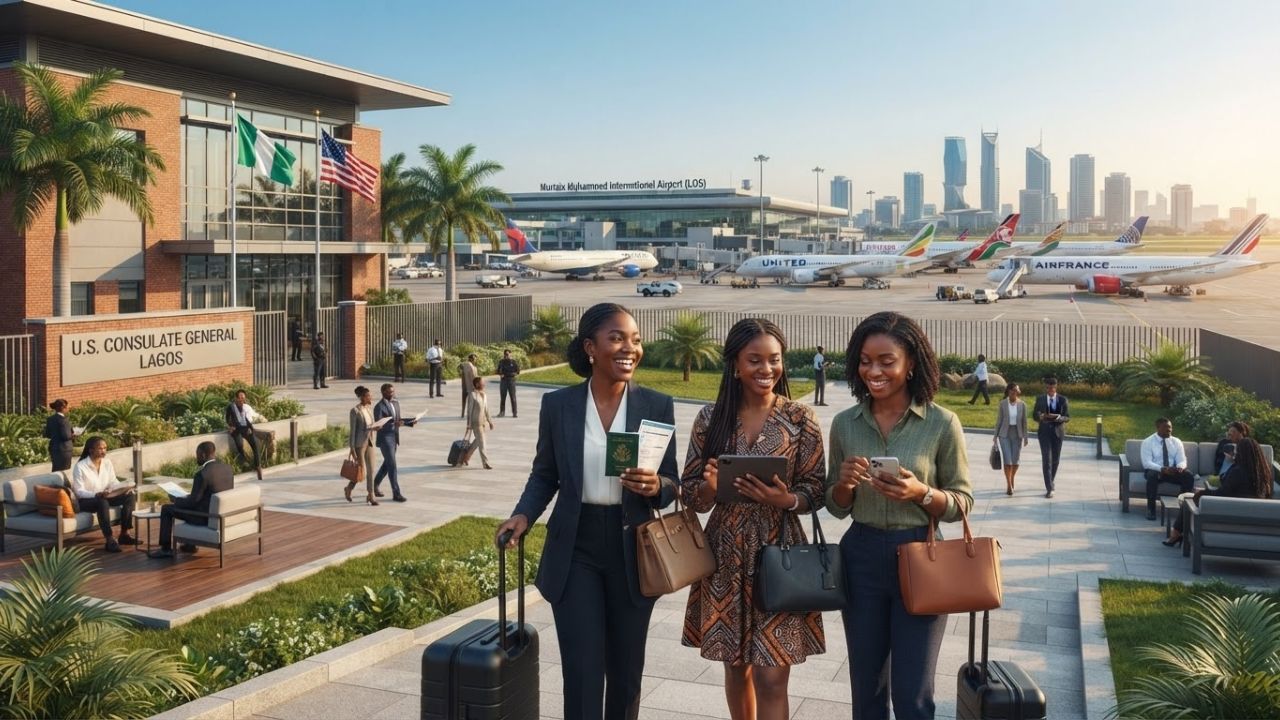
Image generated by AI
A sweeping US State Department visa realignment starting August 1, 2026, will centralize consular processing in Africa, moving routine services from twenty-five posts to twenty regional hubs. In Nigeria, routine visa processing will relocate from Abuja to Lagos, forcing thousands of applicants to travel domestic or cross international borders for required interviews.
The Consular Restructuring Details
Our analysis of US diplomatic operations indicates that a major realignment of visa services will take effect across the African continent on August 1, 2026. Under the new model, which was officially announced on July 15, 2026, routine non-immigrant and immigrant visa interviews will be centralized to match staffing resources with processing demand. While this consolidation does not close embassies or cancel existing valid visas, it shifts the location of mandatory interviews for applicants in twenty-five countries.
The restructure aims to apply security vetting and screening standards more consistently across the region. However, for applicants residing in affected countries, the policy creates significant transit and financial hurdles. Many will have to travel to an assigned regional hub in a neighboring country, incurring substantial costs for flights, hotels, and transit documents.
Hub & Post Breakdown
The consolidation redistributes routine visa services from a wide network of local posts into select regional centers:
- Suspended Services (25 Posts): Routine visa processing will stop in Abuja, Antananarivo, Asmara, Bamako, Banjul, Brazzaville, Bujumbura, Conakry, Cotonou, Durban, Freetown, Gaborone, Harare, Juba, Libreville, Lilongwe, Lusaka, Maputo, Maseru, Mbabane, N’Djamena, Niamey, Nouakchott, Ouagadougou, and Windhoek.
- Consolidated Hubs (20 Locations): Routine operations will be concentrated in Abidjan, Accra, Addis Ababa, Cape Town, Dakar, Dar es Salaam, Djibouti, Johannesburg, Kampala, Kigali, Kinshasa, Lagos, Lomé, Luanda, Malabo, Monrovia, Nairobi, Port Louis, Praia, and Yaoundé.
- Nigerian Domestic Transfer: In Nigeria, Abuja will stop routine visa processing, and Lagos will become the sole domestic processing location for business, tourist, student, work, and immigrant visas.
Flight & Regional Travel Impact
For travelers in countries losing routine consular services, attending a visa interview will require international flight bookings:
- Increased Hub Traffic: Airports in primary hubs like Lagos (LOS), Johannesburg (JNB), Nairobi (NBO), and Addis Ababa (ADD) will see a rise in regional transit travelers.
- Cross-Border Logistics: Applicants from landlocked nations must manage international flight connections and confirm transit visa rules for intermediate countries.
- Domestic Travel Demands: Northern Nigerian applicants traveling to Lagos must budget for domestic flights, overnight hotel stays, and time away from employment.
Passenger Rights & Advisory (Information Gain & Experience)
For the visa applicant traveling internationally to attend a consular interview, managing flight schedules and timing constraints is key to avoiding costly losses. Our analysis of consular fee policies suggests applicants keep these practical guidelines in mind:
- Non-Refundable MRV Fees: Consular Machine Readable Visa (MRV) fees are strictly non-refundable and non-transferable. If a flight delay causes you to miss your interview, you will not receive a refund or re-scheduling waiver from the US Department of State.
- Paid Fee Deadlines: Applicants who paid an MRV fee at a post moving to limited service must have scheduled their interview by July 31, 2026. Failure to meet this deadline will render the fee expired and unusable.
- Transit Visa Requirements: When booking regional travel to a hub country, verify the entry and transit visa rules of the host nation, as carriers will deny boarding to passengers who lack valid transit documents.
- Travel Delay Buffers: To absorb potential flight cancellations or delays, travelers are advised to book flights to arrive at the hub city at least 24 to 48 hours before their scheduled visa interview.
Industry Analyst View
The centralization of US visa services to select regional hubs highlights the growing pressure on diplomatic missions to optimize consular resources. Concentrating processing at major aviation gateways like Johannesburg and Lagos allows the State Department to leverage larger facilities and staff pools.
However, this policy shifts the operational and financial burden directly onto the traveler. Regional African airlines may experience a slight bump in booking demand on routes leading to designated hubs. Conversely, local business travel, academic exchanges, and tourist planning will experience longer lead times as applicants navigate cross-border interview logistics.
Related Travel Guides
Disclaimer
This article is for informational and educational purposes only. It does not constitute legal, financial, or professional advice. While we strive to provide accurate and up-to-date information, travel policies, regulations, and conditions change rapidly. Always verify information with official sources before making travel decisions. Nomad Lawyer makes no representations about the accuracy, reliability, completeness, or suitability of the information provided. Readers should consult qualified professionals for advice specific to their circumstances. The views expressed in this article are those of the author and do not necessarily reflect the views of Nomad Lawyer.
Kunal K Choudhary
Co-Founder & Contributor
A passionate traveller and tech enthusiast. Kunal contributes to the vision and growth of Nomad Lawyer, bringing fresh perspectives and driving the community forward.
Learn more about our team →