
Middle East Aviation Crisis: Airspace Closed
Escalating US-Iran tensions have triggered military strikes in southern Iran and Iraq, disrupting flight routes and shipping lanes across the Gulf.

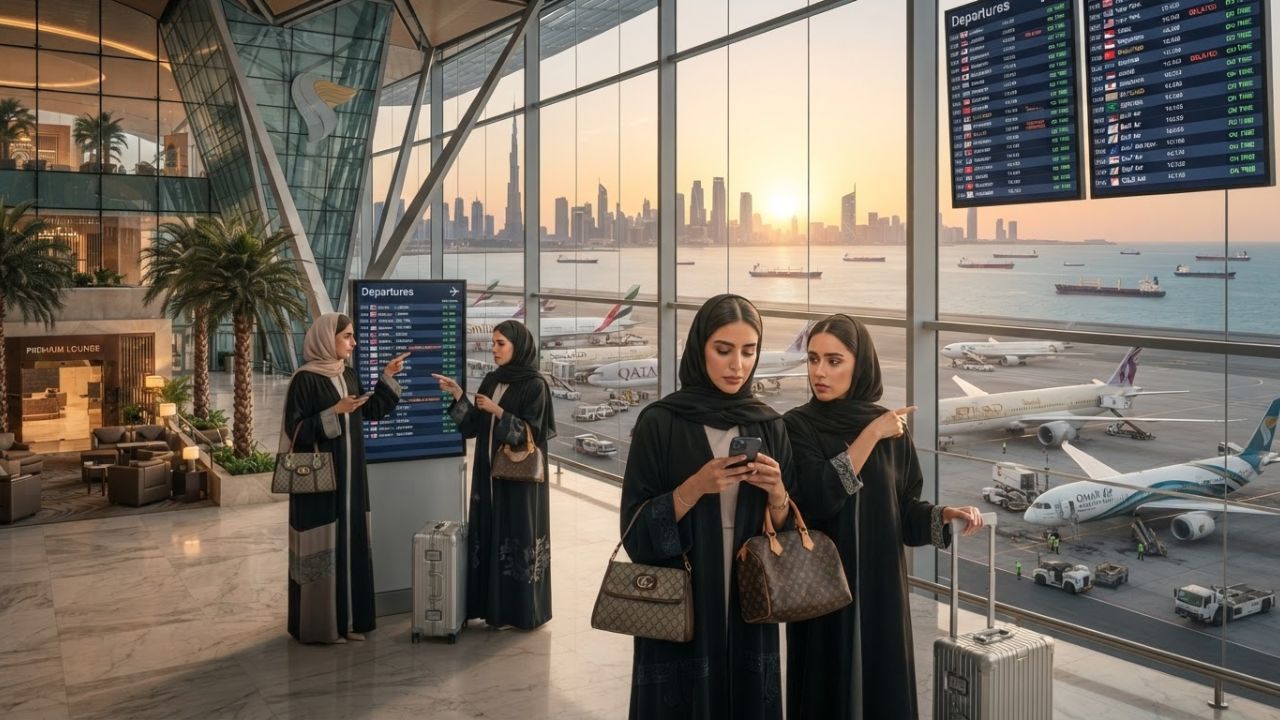
Image generated by AI
Escalating military conflict in the Gulf region has forced airlines to implement emergency airspace reroutings, driving up flight times and operating costs. With strikes reported in southern Iran and political instability growing in Iraq, international carriers face major operational hurdles at key hubs in Dubai, Doha, and Abu Dhabi.
Middle East Aviation and Security Crisis
Our analysis of regional flight tracking systems indicates that military strikes in Iran and Iraq have created a high-pressure security zone for commercial aviation. Strikes were reported in southern Iranian transit and shipping zones, including Qeshm, Kish, Bandar Abbas, Abadan, and Bushehr, alongside targeted operations in Iraq. This military activity has forced airlines to avoid critical airspace sectors, causing longer flight times and rising fuel costs.
For international carriers operating through the Gulf, the crisis threatens transit connectivity at major hubs including Dubai International, Abu Dhabi International, and Hamad International. While airspace has not been completely closed, the risk of retaliatory strikes has prompted governments to increase security protocols. Travelers face rolling delays as dispatchers reroute aircraft away from potential conflict zones near the Strait of Hormuz.
Flight & Airport Operational Impact
The escalating security crisis has created a complex operating environment for regional airports, commercial airlines, and energy transit networks:
- Airspace Reroutings: Flight dispatchers are routing aircraft around Iranian and Iraqi airspace, adding significant mileage and fuel burn to Europe-Asia routes.
- Gateway Hub Scrutiny: Security measures have been heightened at major hubs in Qatar, Saudi Arabia, and the United Arab Emirates to protect passenger operations.
- Retaliation Risks: Host facilities for foreign military assets in Kuwait and Bahrain (home to the US Fifth Fleet) are under close monitoring, altering travel risk profiles.
- Jordan Tourism Impact: Heightened tension has triggered booking slowdowns at Jordanian heritage sites including Petra, Wadi Rum, and the Dead Sea.
Passenger Rights & Advisory (Information Gain & Experience)
For the traveler holding tickets through Middle Eastern transit hubs, airspace disruptions present unique legal challenges regarding airline liability. Our analysis of passenger rights frameworks suggests travelers understand their options when flights are rerouted or delayed due to military activity:
- EU261 Compensation Exemptions: Under Regulation (EC) No 261/2004, airspace closures and military conflicts are classified as extraordinary circumstances, meaning airlines are not required to pay cash compensation.
- Right to Care Requirements: Despite the extraordinary circumstances exemption, airlines must still provide complimentary meals, refreshments, and hotel lodging if a delay requires an overnight stay.
- Travel Insurance Exclusions: Standard travel insurance policies regularly contain war exclusion clauses. Travelers who cancel trips voluntarily out of caution will not receive refunds unless they purchase a Cancel For Any Reason (CFAR) policy.
- US DOT Refund Rights: On flights to or from the United States, US Department of Transportation (DOT) guidelines guarantee a full cash refund if a flight is cancelled or significantly delayed and the passenger declines rebooking.
Industry Analyst View
The current crisis demonstrates the vulnerability of the global hub-and-spoke model operated by major Gulf carriers. Because these airlines rely on connecting millions of travelers through centralized hubs like Dubai and Doha, any regional airspace restriction instantly disrupts networks across multiple continents.
Additionally, rising jet fuel prices driven by Strait of Hormuz shipping disruptions will compress airline margins. If carriers are forced to sustain longer flight paths while paying higher fuel costs, ticket prices on Europe-Asia corridors will rise. This will test the pricing power of primary carriers as travelers seek alternative, safer routing options through North American or East Asian corridors.
Related Travel Guides
Disclaimer
This article is for informational and educational purposes only. It does not constitute legal, financial, or professional advice. While we strive to provide accurate and up-to-date information, travel policies, regulations, and conditions change rapidly. Always verify information with official sources before making travel decisions. Nomad Lawyer makes no representations about the accuracy, reliability, completeness, or suitability of the information provided. Readers should consult qualified professionals for advice specific to their circumstances. The views expressed in this article are those of the author and do not necessarily reflect the views of Nomad Lawyer.
Kunal K Choudhary
Co-Founder & Contributor
A passionate traveller and tech enthusiast. Kunal contributes to the vision and growth of Nomad Lawyer, bringing fresh perspectives and driving the community forward.
Learn more about our team →