
U.S. Virgin Islands Leads Regional Travel Surge with Expanded Air Routes
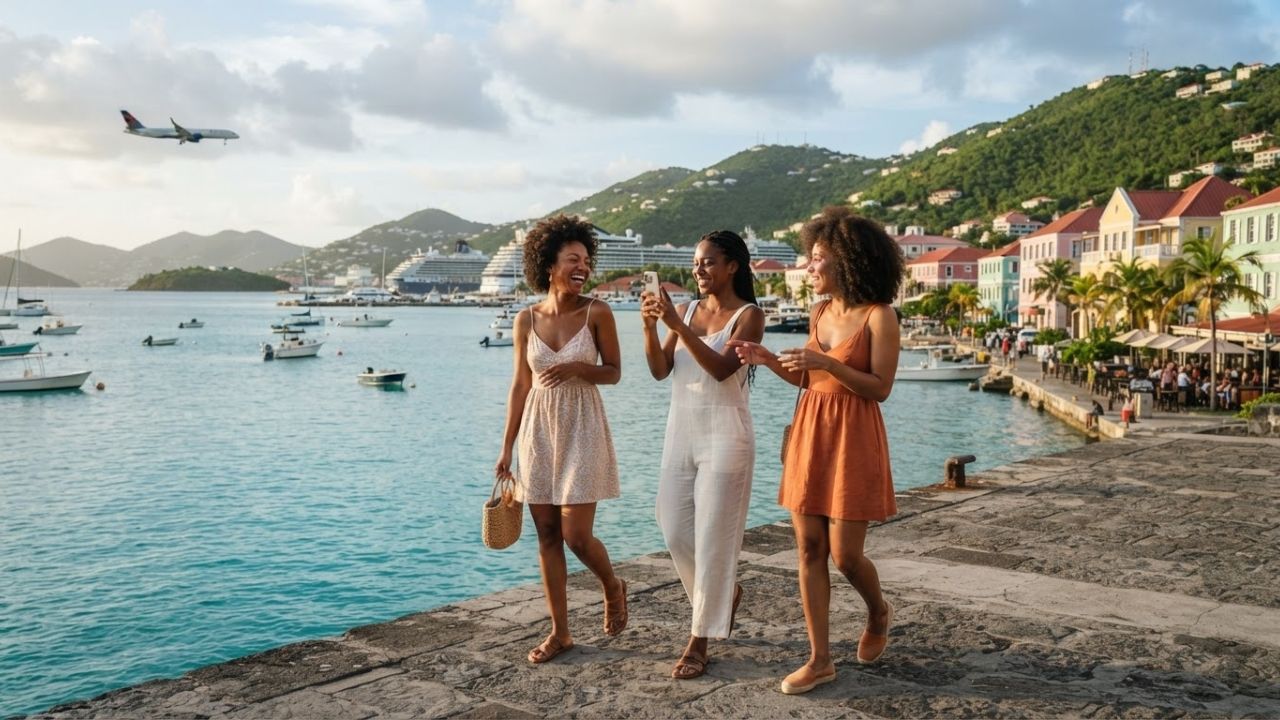
Image generated by AI
The U.S. Virgin Islands is leading a regional travel surge, recording 303,388 visitor arrivals during the first quarter of 2026—a 12% increase compared with the same period in 2025. Data from the local government shows that St. Thomas welcomed 246,772 arrivals (a 15% annual increase), while St. Croix recorded 56,616 arrivals (a 2% increase), building on a strong 2025 performance that saw nearly 1 million airline passengers and almost 1.83 million cruise travelers.
This growth is supported by a significant expansion of air routes. Daily Fly the Whale service between St. Thomas and San Juan launched on August 3, 2026, followed by twice-weekly Contour Airlines flights to St. Maarten starting October 5. In addition, United Airlines will begin weekly Saturday flights from Newark to St. Croix on October 31, and Breeze Airways is scheduled to launch Tampa-St. Thomas flights in December, providing travelers with more choices for island-hopping itineraries.
The Local Trend: Strategic Air Connectivity and Multi-Island Stays
The dominant trend in island tourism is the pairing of airline route expansion with regional multi-destination itineraries. Travelers are moving away from single-destination vacations in favor of island-hopping journeys. In the U.S. Virgin Islands, new flights make it easy to combine urban shopping in Charlotte Amalie (St. Thomas) with snorkeling trails in St. John, accessible via a 20-minute ferry from Red Hook to Cruz Bay.
A similar trend is visible across other global destinations:
- The Bahamas: Welcomed a record 12.5 million visitors in 2025 (an 11.4% year-over-year increase), including nearly 1.7 million air travelers. Grand Bahama reached 1.1 million arrivals, up 20% from 2024. Breeze Airways launched Tampa-Nassau flights on June 11, while American Airlines introduced Miami-Bimini service, opening up the Out Islands.
- Curaçao: Saturday service from Chicago and expanded routes from Canada and South America drove growth, with the island welcoming 39,418 Brazilian visitors in 2025, including 5,120 in December alone. Curaçao expects 50,000 Brazilian visitors in 2026.
- Seychelles: Recorded 13,400 Indian arrivals in 2025 (nearly 75% growth year over year), supported by Qatar Airways resumption of four weekly flights on June 16, alongside new direct routes to Paris (March 20 to May 2026) and Rome (March 28).
- Hawaii: Air arrivals increased 3.6% (representing 85,695 visitors) in Q1 2026, while visitor spending rose 9% to $6.10 billion. Domestic air capacity rose 6.8%, and statewide occupancy averaged 76.4%. May 2026 saw 800,554 visitors spending $1.77 billion, with average daily spending rising 13.1% to $292 per person. Maui saw an 18.4% arrivals increase and a 26.4% spending increase.
- Antigua and Barbuda: Strategic growth focuses on increasing stays and yacht tourism, emphasizing local economic impact and environmental effects rather than simple arrival counts.
Environmental Stewardship and Coral Reef Restoration
With rising visitor numbers, destinations are implementing conservation initiatives to protect fragile marine habitats. In the U.S. Virgin Islands, the CORE Foundation maintains coral nurseries and elkhorn coral replanting sites at Leinster Bay in St. John to combat stony coral tissue loss disease. These restoration efforts are supported by local diving operators and community volunteers who monitor reef health.
Similarly, in Curaçao, reef restoration projects are managed by local dive centers to replant staghorn corals along the coast. In Hawaii, state parks enforce visitor limits and reservation systems at Hanauma Bay to prevent reef degradation, ensuring that tourism spending supports environmental monitoring and habitat preservation.
In addition, this model supports community conservation projects. Many budget travelers choose to participate in volunteer beach cleanups and environmental education programs run by local non-profit organizations. By choosing eco-tours and buying local goods, travelers contribute to the preservation of these unique coastal ecosystems and support local small business owners.
Cultural Value: Emancipation and Community Festivals
Cultural events provide visitors with opportunities to engage with regional heritage and support local economies:
- St. John Celebration (June 14–July 4, 2026): Features parades, traditional music, and food fairs, culminating in an Emancipation Day program that celebrates the island's history of freedom.
- St. Thomas Carnival (April 26–May 2, 2026): The 74th annual festival showcases Caribbean music, steel pan orchestras, and local food fairs, providing a direct market for independent food vendors and local artisans.
- Traditional Regattas: Boat races and sailing regattas in St. Croix and Antigua support historic boatbuilding traditions and connect international sailors with local maritime communities.
Traditional Gastronomy: Regional Culinary Specialties
Explorations of these diverse island regions allow visitors to experience traditional dishes prepared using local ingredients:
- USVI Kallaloo and Fungi: A rich soup of leafy greens, okra, crab, and salted meats, simmered with local herbs and served with a cornmeal dumpling (fungi), representing a staple of Virgin Islands heritage.
- Curaçao Keshi Yena: A traditional stuffed cheese dish featuring Edam or Gouda rinds filled with seasoned chicken, raisins, olives, and spices, baked until melted.
- Seychelles Octopus Curry: A Creole dish of tender octopus simmered in coconut milk, spiced with cinnamon, cardamom, ginger, garlic, and fresh curry leaves, served over hot rice.
- Kalua Pork and Laulau (Hawaii): Slow-cooked shredded pork prepared in an underground oven (imu), served alongside taro leaves wrapped around pork or fish (laulau).
- Bahamian Conch Salad: Fresh conch meat marinated in lime and orange juice, tossed with diced tomatoes, green peppers, onions, and hot goat pepper, prepared fresh at local fish fries.
- Antiguan Pepperpot: A hearty stew of beef, pork, eggplant, okra, and spinach, seasoned with hot peppers and simmered slowly, served with cornmeal dumplings.
Visitor Insider Tips: Traveling Safely in the U.S. Virgin Islands
To plan a safe, respectful, and legally compliant stay in the territory, follow these practical guidelines:
- Observe Left-Side Driving Rules: Vehicles drive on the left side of the road in the U.S. Virgin Islands. Exercise caution on winding island roads, particularly when renting left-hand drive vehicles.
- Verify Passports and Entry Rules: U.S. citizens do not need a passport when traveling directly from the U.S. mainland or Puerto Rico, but must carry a government-issued photo ID. All international visitors must meet standard U.S. visa requirements.
- Use Reef-Safe Sunscreens: Under USVI law, only mineral-based sunscreens (using zinc oxide or titanium dioxide) are permitted. Chemical sunscreens containing oxybenzone or octinoxate are banned to protect coral reefs.
- Respect Ferry Transit Schedules: The passenger ferry between Red Hook (St. Thomas) and Cruz Bay (St. John) takes 20 minutes. Check the daily schedule online before traveling to ensure seamless transfers, especially for evening flights.
- Support Local Food Trucks: Skip the resort restaurants and dine at local food vans or roadside stands in St. Croix to experience authentic Kallaloo and support independent culinary entrepreneurs.
Outlook: Resilient and Sustainable Island Tourism
The tourism boom of 2026 shows that regional connectivity and sustainable management are key to long-term success. By upgrading regional airports, supporting coral reef restoration, and promoting heritage festivals, these global destinations aim to build a resilient tourism infrastructure.
Future developments will focus on the expansion of solar-powered airport terminals, the implementation of carrying-capacity limits at sensitive marine parks, and the development of regional digital booking networks. By balancing economic growth with environmental protection, island destinations aim to ensure that their beaches and cultural sites remain preserved for future generations of global travelers.
Related Travel Guides
- Ontario Wilderness Expeditions Spike Wild Tourism Demand For Thrill Seekers Seeking To Travel Canada, Find Out Now
- Iran Tourism Adapting Beyond Global Visitors With New Growth Despite Sanctions Economic Pressure
- Middle East Aviation Disruption: Dubai, Cairo, and Riyadh Airports Face 871 Delays and 59 Cancellations in 2026
Disclaimer
This article is for informational and educational purposes only. It does not constitute legal, financial, or professional advice. While we strive to provide accurate and up-to-date information, travel policies, regulations, and conditions change rapidly. Always verify information with official sources before making travel decisions. Nomad Lawyer makes no representations about the accuracy, reliability, completeness, or suitability of the information provided. Readers should consult qualified professionals for advice specific to their circumstances. The views expressed in this article are those of the author and do not necessarily reflect the views of Nomad Lawyer.