China’s Meizhou Island Creates A New Tourism Future By Turning Mazu Heritage Into A Complete Island Escape

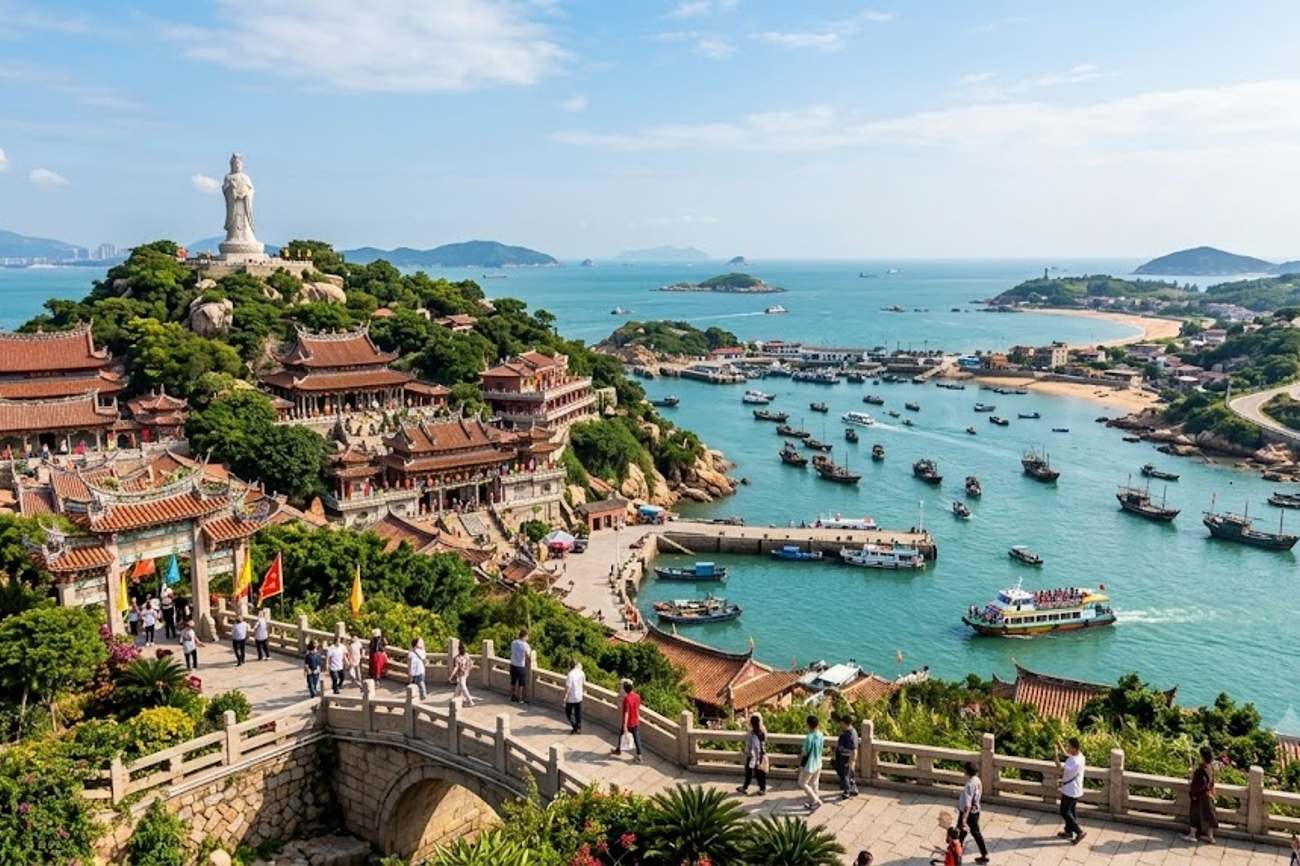
Image generated by AI
3.23 million tourist visits in 2025 marked the first time Meizhou Island surpassed the three-million-visitor threshold, signaling a fundamental shift in how this Fujian Province destination monetizes its cultural assets. This surge is not merely a result of increased foot traffic, but a calculated pivot by Putian City authorities to transition the island from a transient pilgrimage site into a comprehensive, multi-day leisure destination. By decoupling the island's identity from purely religious observance, the region is attempting to capture a broader demographic of high-spending, slow-travel enthusiasts.
From Pilgrimage to Permanent Stay
For decades, Meizhou Island operated on a "hit-and-run" tourism model. Visitors arrived primarily to honor Mazu—the legendary protector of sailors born on the island in 960—visited the central temples, and departed within a single calendar day. This pattern created a volatile economic cycle dependent on religious calendars and offered little in the way of sustainable hospitality revenue.
The current strategic overhaul aims to replace these short-burst visits with "island escapes." The objective is to transform the visitor journey from a checklist of religious duties into a curated experience of coastal scenery, entertainment, and heritage. This shift targets three specific growth segments: multi-generational families, independent "self-driving" travelers, and a younger demographic that prioritizes "meaningful experiences" and aesthetic exploration over traditional piety.
The Infrastructure of Cultural Expansion
To sustain this growth, Putian City has diversified the island's offerings, moving beyond the temple gates to create a network of cultural anchors. The integration of these sites is designed to slow the pace of travel, forcing visitors to linger longer and, by extension, spend more on local accommodation and services.
| Primary Attraction | Core Function | Strategic Purpose |
|---|---|---|
| Mazu Heritage Park | Interactive displays & storytelling | Transition from worship to education |
| Mazu Cultural Museum | Historical archives & customs | Establishing intellectual depth for the site |
| Ping’an Pagoda | Architectural landmark | Creating visual "anchor points" for sightseeing |
| Coastal Scenic Zones | Nature walks & ocean views | Implementing "Slow Tourism" principles |
| Digital Performance Hubs | AR-enhanced storytelling | Attracting Gen-Z and tech-savvy tourists |
The foundation of this expansion remains the island's status as a global cultural hub. The "Mazu belief and customs" were formally recognized by UNESCO in 2009 as part of the Representative List of the Intangible Cultural Heritage of Humanity. By leveraging this international validation, Meizhou Island is positioning itself not just as a local shrine, but as a global heritage destination.
Expert Analysis: The Economics of "Slow Tourism"
For the modern traveler, the pivot toward "slow tourism" on Meizhou Island is more than a marketing slogan; it is a structural change in the destination's value proposition. When a site moves from a one-day pilgrimage to a multi-day escape, the economic multiplier effect increases exponentially.
The direct consequence for travelers booking this route is a shift in available infrastructure. We are seeing a transition from basic transit facilities to a more robust hospitality ecosystem. The introduction of evening entertainment—including fireworks and augmented reality (AR) performances—is a deliberate attempt to solve the "nighttime void" that previously forced tourists to leave the island before sunset.
From a regulatory and planning perspective, this indicates that Putian City is following a broader Chinese trend of "cultural industrialization." By blending traditional Mazu heritage with digital storytelling, the island is mitigating the risk of "museum fatigue." The pricing pressure this creates means that while basic entry to shrines may remain accessible, the premium "experiences"—such as heritage clothing rentals and immersive digital shows—will likely become the primary revenue drivers. For the nomad or long-term traveler, this means the island is becoming more hospitable, but also more commercialized.
Key Takeaways
- Visitor Milestone: 2025 saw a record-breaking 3.23 million visits, proving the viability of the island's new diversified tourism model.
- Strategic Pivot: The destination is moving away from single-day religious pilgrimages toward multi-day "slow travel" itineraries.
- Tech Integration: Traditional heritage is being augmented with AR and digital performances to attract younger, non-religious demographics.
- Global Standing: The island leverages its UNESCO intangible heritage status to elevate Mazu culture from a local belief to a global attraction.
- Economic Goal: By adding evening entertainment and leisure zones, the island aims to increase the average length of stay and overnight spending.
FAQ: Meizhou Island Tourism 2025
Is Meizhou Island only for religious pilgrims? No. While Mazu heritage remains the core identity, the island has expanded to include coastal scenery, AR-enhanced cultural performances, and leisure activities designed for families and independent travelers seeking a relaxed holiday.
What are the best cultural sites to visit on Meizhou Island? Key locations include the Mazu Heritage Park, the Mazu Cultural Museum, and the Ping’an Pagoda. Visitors can also engage in heritage clothing experiences and explore the coastal walkways.
How has the visitor experience changed recently? The island now offers "slow tourism" options, meaning more opportunities for overnight stays, evening fireworks, and immersive storytelling, rather than the traditional one-day temple visit.
When was Mazu's influence officially recognized globally? The "Mazu belief and customs" were added to the UNESCO Representative List of the Intangible Cultural Heritage of Humanity in 2009.
The transition from a shrine to a sanctuary suggests that for Meizhou Island, the future of faith is found in the leisure economy.
Tags: Meizhou Island, Putian City, Mazu Heritage 2025, Fujian Tourism, UNESCO Intangible Heritage, Slow Tourism China
Related Travel Guides
This article is for informational purposes. Flight routes, passenger regulations, visa rules, and transit advisories are subject to change by airlines and aviation authorities. Readers are advised to verify schedules and travel documentation with relevant carriers and border agencies before departure.
Related Stories

Plan the Whole Visayas in One Trip: ‘Discover the Visayas’ Launches Multi-Island Itinerary Builder Via Cebu

Caribbean Tourism 2027: New UK and European Transit Strategies for Island Hopping