
TSA Confirms Hammocks Are Permitted Through Security but Warns of Local Airport Restrictions in 2026
The TSA has officially confirmed that travelers may carry hammocks through security checkpoints, though passengers are cautioned that individual airport authorities may prohibit their setup in terminals.

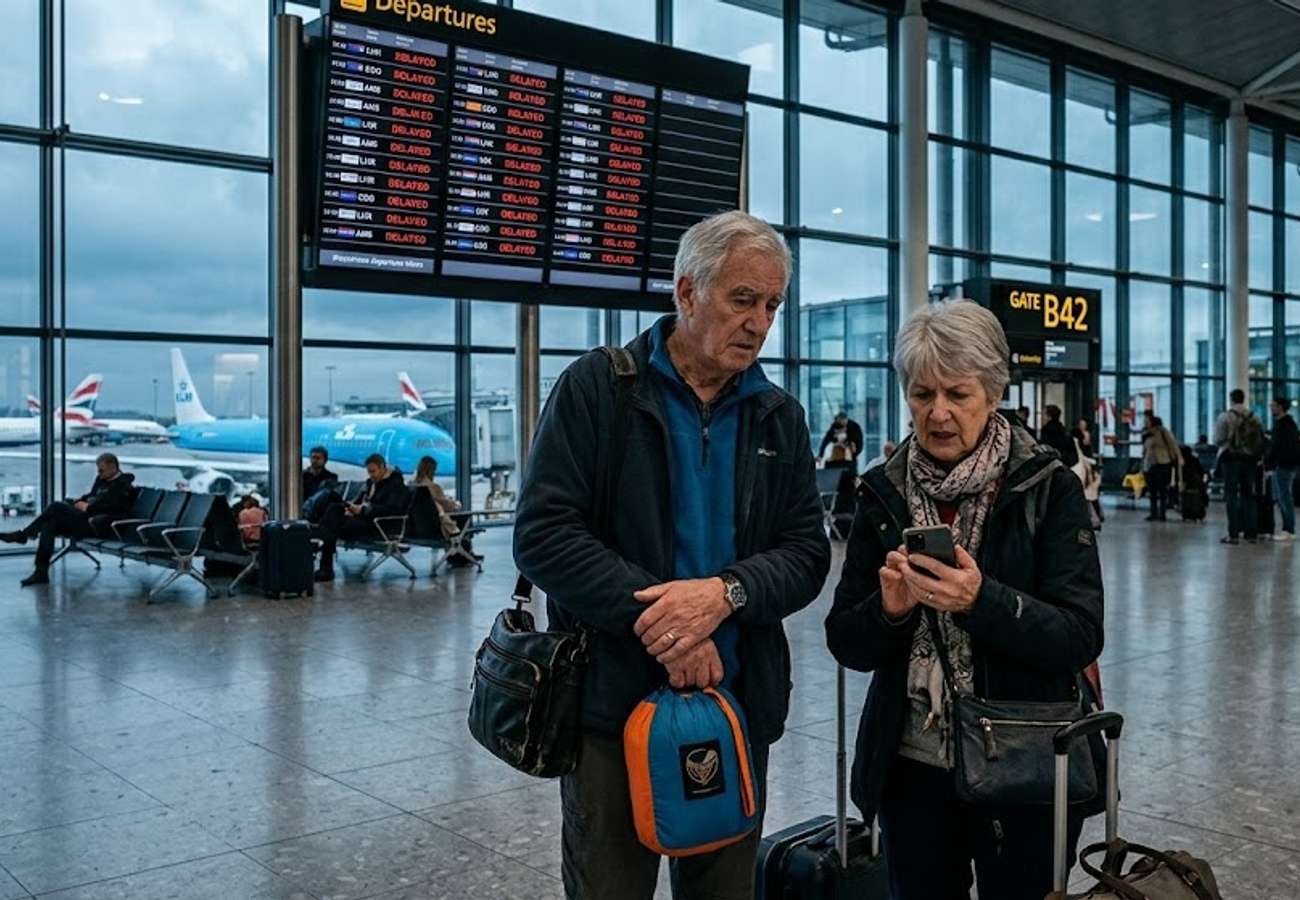
Image generated by AI
The Transportation Security Administration (TSA) has confirmed that portable hammocks are not prohibited items at security checkpoints, yet the agency warns that "setting up camp" remains at the discretion of individual airport management.
This clarification comes amid increasing travel volatility. On July 21, the Federal Aviation Administration (FAA) implemented ground stops at 10 East Coast airports, contributing to over 7,300 flight delays nationwide. For passengers facing these extended wait times, the ability to carry a hammock provides a potential alternative to uncomfortable terminal seating.
On July 22, coinciding with National Hammock Day, the TSA used social media to clarify that while they do not ban the transport of hammocks, they do not authorize their use within the terminal. The agency advised travelers to verify specific location rules to avoid "having a falling out with the airport" regarding where they hang their equipment.
The Jurisdictional Gap: TSA vs. Airport Authority
A critical distinction exists between what is legal to carry and what is legal to do. Our analysis of passenger reports and TSA guidance indicates a significant gap in authority:
- TSA Authority: Limited to the security screening process. If a hammock does not violate safety protocols, it passes through the checkpoint.
- Airport Authority: Local management and law enforcement control the terminal. They determine if a hammock obstructs foot traffic, violates safety codes, or damages airport infrastructure (such as pillars or railings).
Reports from travelers on Reddit suggest that while some have successfully napped in hammocks, others have been ordered by police to dismantle their setups. One reported incident, potentially occurring in Concourse F at Hartsfield-Jackson Atlanta International Airport (ATL), resulted in a police officer requiring the passenger to remove the hammock.
Documented "Hammock-Friendly" and Restricted Locations
Based on traveler data and community reports, the following airports have been cited as locations where hammocks have been deployed, though success varies by terminal and staff:
United States Locations:
- Dallas-Fort Worth International Airport (DFW)
- Newark Liberty International Airport (EWR)
- Washington Dulles International Airport (IAD) — Note: Reported as a "bold" attempt due to straps spanning the gate.
- Daniel K. Inouye International Airport (HNL)
- Chicago O'Hare International Airport (ORD)
- Minneapolis-Saint Paul International Airport (MSP)
International Locations:
- Humberto Delgado Airport (LIS), Portugal
- Copenhagen Airport (CPH), Denmark
- Vancouver International Airport (YVR), Canada
- Halifax Stanfield International Airport (YHZ), Canada
Airport Survival Strategies for Extended Delays
For those opting against the logistical risk of a hammock, industry guidance suggests a "survival kit" approach to maximize comfort during systemic delays.
Recommended Carry-On Essentials:
- Travel pillows and blankets
- Earplugs and eye shades
- Disinfecting wipes and hand sanitizer
- Portable snacks and basic hygiene kits (toothbrush/toothpaste)
Logistical Positioning Tips:
- Siting: Analyze lighting and noise levels (specifically proximity to public announcement speakers).
- Amenities: Prioritize locations near restrooms and food services.
- Security: Maintain a physical connection to luggage (e.g., sleeping with an arm over the bag) or utilize official "left luggage" storage.
Why This Matters: The Operational Reality
From a logistical perspective, the TSA's stance is a classic example of "permissive but not protected." For the traveler, the real impact is that carrying a hammock does not grant a legal right to use one.
Most airport terminals are designed for high-volume pedestrian flow. Hanging a hammock between two pillars often creates a trip hazard or blocks emergency egress routes, which is why law enforcement—not TSA—is typically the entity that intervenes. Travelers attempting this should expect that their "right" to carry the item ends the moment they attempt to anchor it to airport property.
Industry Outlook
As aviation infrastructure continues to struggle with volatility and staffing, the demand for "micro-hospitality" solutions within terminals will grow. We expect to see a rise in third-party airport sleeping databases and potentially more formal "nap zones" provided by airports to prevent passengers from improvising with camping gear. Until then, the burden of compliance remains entirely on the passenger.
Travelers are advised to consult SleepingInAirports for specific terminal layouts and historical data on sleeping viability.
Related Travel Guides
Disclaimer
This article is for informational and educational purposes only. It does not constitute legal, financial, or professional advice. While we strive to provide accurate and up-to-date information, travel policies, regulations, and conditions change rapidly. Always verify information with official sources before making travel decisions. Nomad Lawyer makes no representations about the accuracy, reliability, completeness, or suitability of the information provided. Readers should consult qualified professionals for advice specific to their circumstances. The views expressed in this article are those of the author and do not necessarily reflect the views of Nomad Lawyer.
Raushan Kumar
Founder & Lead Developer
Full-stack developer with 11+ years of experience and a passionate traveller. Raushan built Nomad Lawyer from the ground up with a vision to create the best travel and law experience on the web.
Learn more about our team →