
US Travel Trends 2026: Shift Toward Off-Peak Tourism in San Diego, Savannah, and Moab
Analysis of the 2026 shift toward shoulder-season travel in the United States, focusing on the economic and environmental impacts in San Diego, Moab, and Yellowstone.

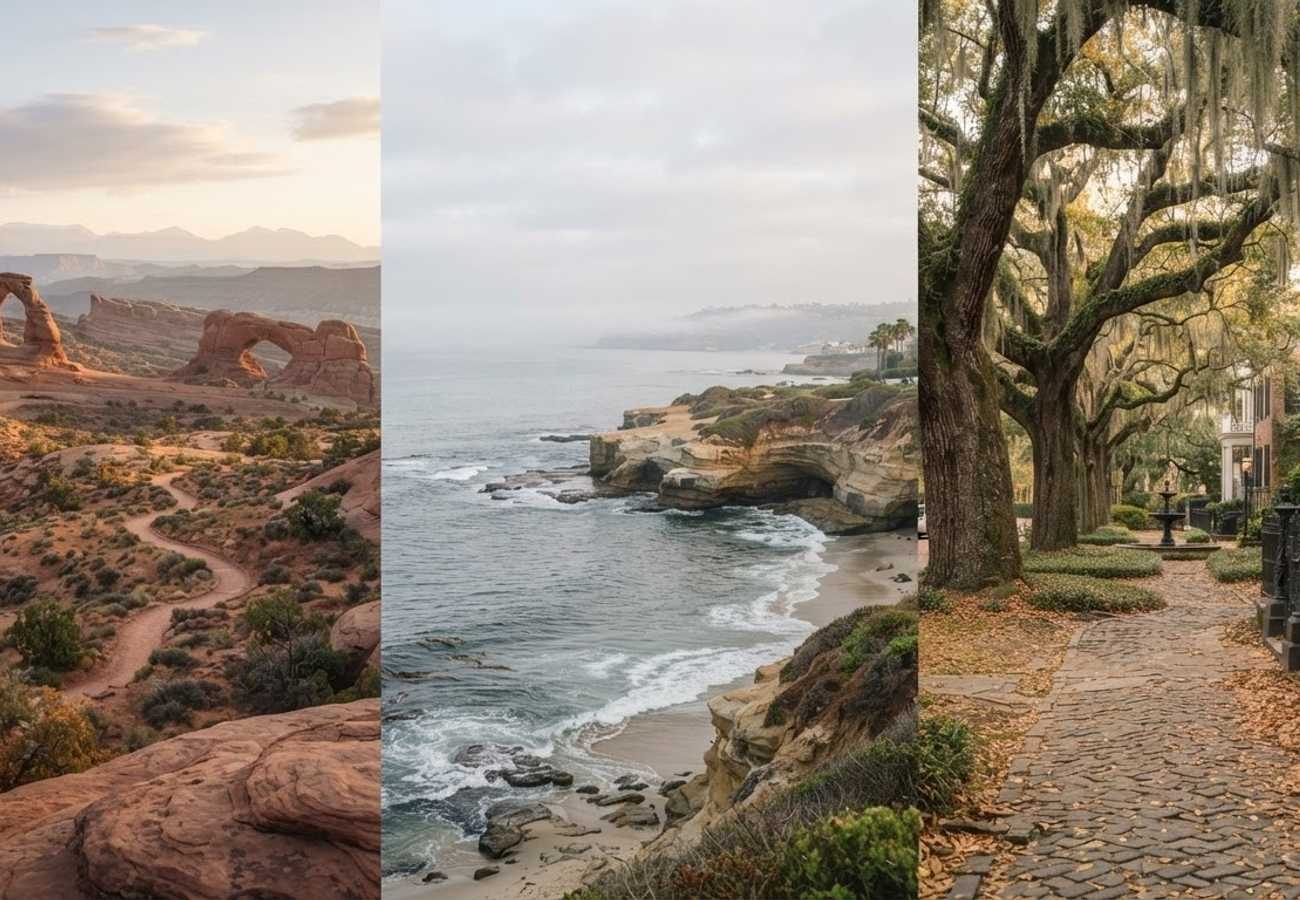
Image generated by AI
US travelers are aggressively pivoting away from peak summer congestion in favor of "shoulder-season" journeys. This shift is reducing infrastructure strain in high-traffic hubs like San Diego and Moab while stabilizing local tourism economies.
The Shift to Off-Peak Travel Dynamics
A structural change in traveler behavior is emerging across the United States. The traditional summer peak—characterized by extreme congestion, inflated lodging costs, and strained public services—is being replaced by a preference for March, October, and November travel.
This transition moves the visitor experience from a transactional, high-stress encounter to a sustainable engagement with local communities. By distributing the human footprint across a wider temporal frame, municipal waste systems and regional water grids in high-density tourist zones are receiving necessary periods of regeneration.
Regional Impact Breakdown
Moab, Utah (Arches and Canyonlands National Parks)
The desert climate of Moab makes peak summer travel hazardous, with temperatures frequently exceeding 100°F (38°C).
- Optimal Windows: October, November, and March.
- Key Advantages: Reduced traffic jams at park entrances and a significant decrease in wait times for the Delicate Arch hike.
- Operational Impact: Lower heat-related stress for visitors and improved accessibility to the Island in the Sky mesa in Canyonlands.
San Diego, California
The coastal market is seeing a diversification of visitors beyond the traditional summer rush, focusing on the late winter and autumn windows.
- Optimal Windows: September through November and late winter.
- Primary Attractions: The annual gray whale migration and reduced crowds at Balboa Park and La Jolla.
- Economic Shift: Hospitality providers are pivoting toward high-end eco-tourism and culinary events to maintain revenue during traditionally slower months.
Yellowstone National Park (Wyoming/Montana)
Despite attracting nearly 7 million visitors annually, Yellowstone experiences a dramatic drop in density during the late autumn and winter.
- Seasonal Experience: A transition from chaotic crowds to a snow-dusted sanctuary.
- Specialized Operations: Increased reliance on snowcoach tours to access Old Faithful and wildlife spotting in Lamar Valley.
- Environmental Gain: Reduced foot traffic on frozen terraces at Mammoth Hot Springs, allowing for better preservation of geothermal features.
Passenger Rights & Advisory: Navigating Off-Peak Disruptions
While off-peak travel reduces crowds, it introduces different logistical risks, particularly regarding seasonal service reductions and weather-related cancellations.
For the affected passenger, this means:
- Rebooking Rights: If a flight to a seasonal destination (like Moab or Yellowstone) is canceled due to off-peak weather, passengers are entitled to rebooking or a full refund under US DOT guidelines. Our analysis suggests documenting all communication with the carrier to ensure "tarmac delay" or "weather cancellation" rules are applied correctly.
- Compensation Frameworks: For those traveling internationally into the US during these windows, EU261/2004 protections still apply to departing flights from EU airports, regardless of the destination's "off-peak" status. This includes fixed compensation for delays over three hours.
- Booking Strategy: We recommend utilizing "flexible date" search tools. Because hotel inventories in San Diego and Moab are lower in the off-season, booking "refundable" rates is essential to avoid financial loss if regional weather events close park access.
Industry Analyst View
The move toward year-round engagement is a strategic necessity for the hospitality sector. Squeezing maximum capacity into a few hectic weeks creates a "boom-and-bust" cycle that damages local infrastructure and degrades the guest experience.
True commercial viability in 2026 is being redefined by "gentle tourism." By incentivizing travel in March or November, destinations can sustain a consistent employment base for local workers and reduce the environmental degradation caused by peak-season overcrowding.
The era of the "summer vacation" is evolving into a year-round pursuit of serenity.
Related Travel Guides
Disclaimer
This article is for informational and educational purposes only. It does not constitute legal, financial, or professional advice. While we strive to provide accurate and up-to-date information, travel policies, regulations, and conditions change rapidly. Always verify information with official sources before making travel decisions. Nomad Lawyer makes no representations about the accuracy, reliability, completeness, or suitability of the information provided. Readers should consult qualified professionals for advice specific to their circumstances. The views expressed in this article are those of the author and do not necessarily reflect the views of Nomad Lawyer.
Preeti Gunjan
Contributor & Community Manager
A passionate traveller and community builder. Preeti helps grow the Nomad Lawyer community, fostering engagement and bringing the reader experience to life.
Learn more about our team →