
US-Canada Tourism Surge Fades as 50% Tariffs and Trade War Trigger Travel Boycotts in 2026
Cross-border tourism between the US and Canada faces a sharp decline as a 50% tariff war prompts Canadian boycotts and increased duty fees for travelers.

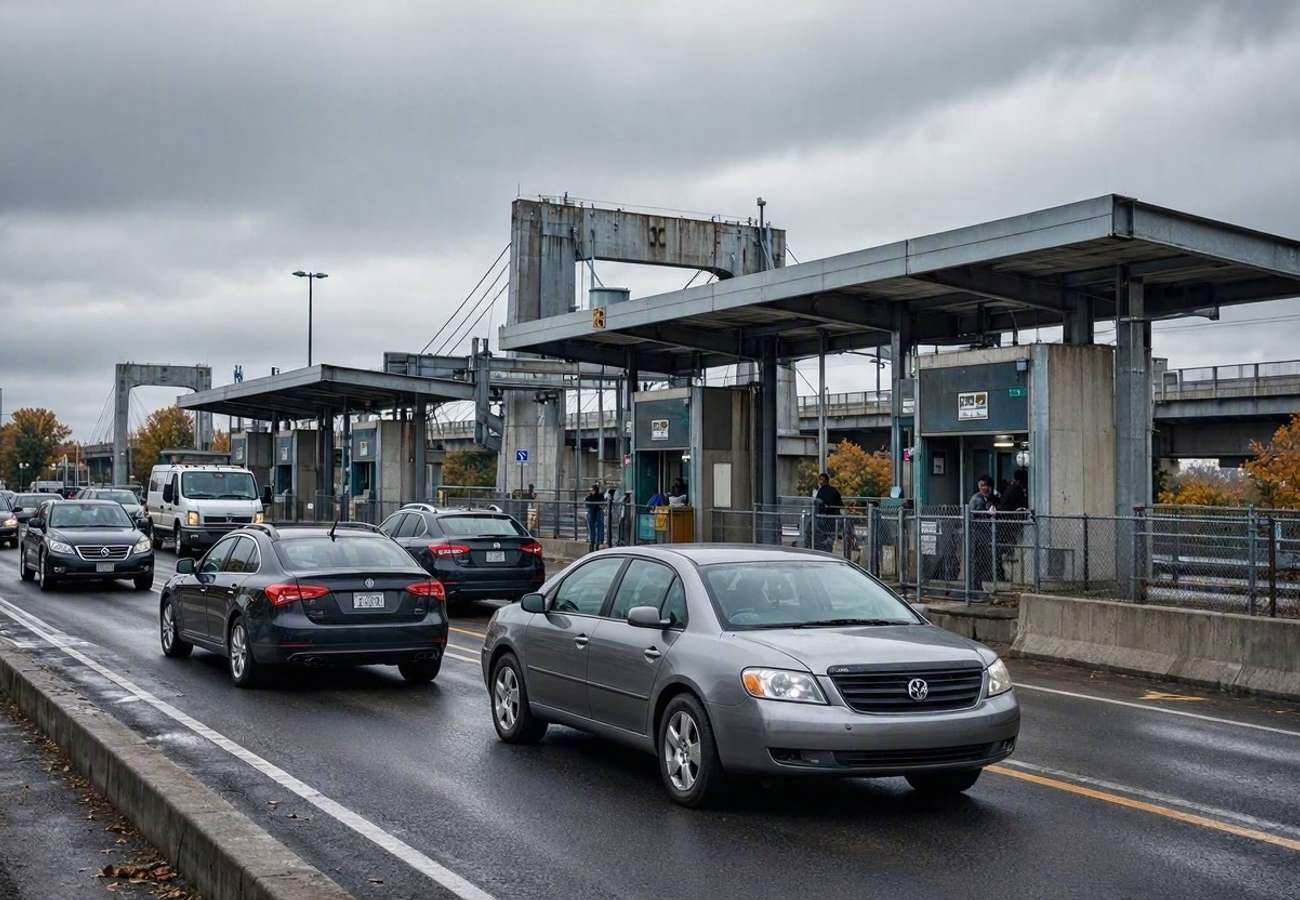
Image generated by AI
[Detroit, September 17, 2026] — A temporary surge in cross-border tourism between the United States and Canada is collapsing as a high-stakes trade war triggers 50% tariffs and widespread travel boycotts. While August saw an unexpected spike in visitors, the collapse of diplomatic concessions on August 21 has shifted the momentum toward economic retaliation, threatening the autumn travel season for border communities.
The volatility follows a period of fluctuation throughout 2026. After a slight increase in 2025 and a subsequent dip in June, tourism rates climbed through August, bolstered by summer vacations and the first full month of operations for the Gordie Howe International Bridge. However, the current geopolitical climate has rendered these gains fragile, as Prime Minister Mark Carney rejected recent US concessions, prompting President Trump to implement aggressive tariffs on Canadian imports.
The Catalyst: A Collapsing Trade Agreement
The immediate trigger for the current tourism downturn was the failure of last-minute negotiations between Ottawa and Washington. On August 21, Prime Minister Mark Carney officially deemed the proposed concessions "unacceptable," leading the Canadian government to walk away from the bargaining table. In immediate response, the United States administration enacted a 50% tariff on select Canadian goods.
Canada has responded with a "dollar-for-dollar" retaliation strategy. As of September 8, 2026, the Government of Canada has imposed counter-tariffs ranging from 15% to 50% on specific US-originating goods. This reciprocal aggression has transformed the border from a transit point into a financial hurdle for leisure travelers.
The trade war is expanding beyond industrial goods. A ban on Canadian-made liquor and specific dairy products is scheduled to take effect on September 29, further escalating tensions and encouraging Canadian citizens to avoid US destinations.
Impacted Routes and Passenger Data
The Gordie Howe International Bridge, connecting Ontario and Michigan, served as a primary engine for the August boost. However, the distribution of these trips highlights a growing disparity in traveler sentiment.
| Month | Total Trips | Year-over-Year Change |
|---|---|---|
| March | 1.3 Million | +4.4% |
| April | 1.5 Million | +6.9% |
| May | 2.2 Million | +13.0% |
| June | 3.0 Million | +6.1% |
| July | 2.7 Million | +6.5% |
Gordie Howe International Bridge August Statistics:
- Canadian to US Return Trips: 134,900
- US to Canadian Return Trips: 101,000
- Primary Travel Type: One-day excursions
Despite the high volume of Canadian-led trips in August, the overall tourism increase was driven primarily by American visitors. This trend is expected to reverse as American travelers express growing hesitation about visiting major Canadian hubs, such as Montreal, amid the tariff disputes.
What This Means for Travelers
For those crossing the border right now, the "trade war" is no longer a theoretical political debate—it is a direct cost. Travelers must now navigate a complex web of duty fees that are added on top of standard taxes.
Direct Passenger Impacts:
- Increased Duty Costs: Travelers bringing goods across the border can expect to pay between 15% and 50% in tariffs.
- Tax Stacking: These tariffs do not replace existing taxes. They are added to the value of the goods before the application of GST or HST.
- Currency Pressure: The impact is disproportionately felt by Canadians due to the current exchange rate, making US purchases significantly more expensive.
- Border Scrutiny: Increased tensions often lead to heightened enforcement by U.S. Customs and Border Protection (CBP), potentially increasing wait times and interrogation frequency at ports of entry.
For the average tourist, a shopping trip to a US border town now carries a significant financial penalty. Items previously considered affordable are now subject to heavy surcharges upon reentry into Canada.
Economic Fallout and the Autumn Outlook
The timing of this escalation is particularly damaging for regional economies in New England and the Midwest. These areas rely heavily on "leaf-peeping" tourism—the autumn tradition of Canadians traveling south to view fall foliage.
Small businesses in border towns are reporting a "lose-lose" scenario. Many of these enterprises built their annual profit models around Canadian exports and tourism. With the boycott gaining traction, these towns face a potential season-ending loss of revenue.
While some European travelers have indicated a willingness to fill the gap by increasing business with Canada, this international shift is unlikely to offset the immediate loss of high-volume, short-distance Canadian visitors. The holiday season remains in flux, with no clear diplomatic path toward a resolution.
FAQ: US-Canada Border Tariffs 2026
Do I have to pay tariffs on everything I bring back into Canada? No. Tariffs apply to "certain goods" originating from the US. However, the Government of Canada expects all travelers to pay applicable tariffs on purchased US goods upon entry. These are added to the value before GST/HST.
Are there any duty-free allowances for US visitors to Canada? Yes. US visitors can typically bring back goods worth up to US$800 per person tax-free if they stay at least 48 hours, or US$200 if the stay is shorter. These allowances can often be combined for families traveling together.
Will the liquor and dairy ban affect my travel plans? The ban on Canadian-made liquor and certain dairy products takes effect September 29. While this primarily affects imports, it signals a hardening of border policies that may lead to stricter inspections of luggage and commercial shipments.
Is the Gordie Howe International Bridge still open? Yes, the bridge is fully operational and saw over 235,000 total return trips in August. However, travelers should check current wait times via official border agency apps due to increased tariff enforcement.
The border is no longer just a line on a map; it is now a balance sheet.
Related Travel Guides
Disclaimer
This article is for informational and educational purposes only. It does not constitute legal, financial, or professional advice. While we strive to provide accurate and up-to-date information, travel policies, regulations, and conditions change rapidly. Always verify information with official sources before making travel decisions. Nomad Lawyer makes no representations about the accuracy, reliability, completeness, or suitability of the information provided. Readers should consult qualified professionals for advice specific to their circumstances. The views expressed in this article are those of the author and do not necessarily reflect the views of Nomad Lawyer.
Raushan Kumar
Founder & Lead Developer
Full-stack developer with 11+ years of experience and a passionate traveller. Raushan built Nomad Lawyer from the ground up with a vision to create the best travel and law experience on the web.
Learn more about our team →