
US Customs Tightens Passport Validity Enforcement at Dallas, New York, and Atlanta Hubs in 2026
Stricter enforcement of passport validity rules is stranding travelers at major US gateways, as pandemic-era flexibility ends and the six-month validity rule for foreign nationals is strictly applied.

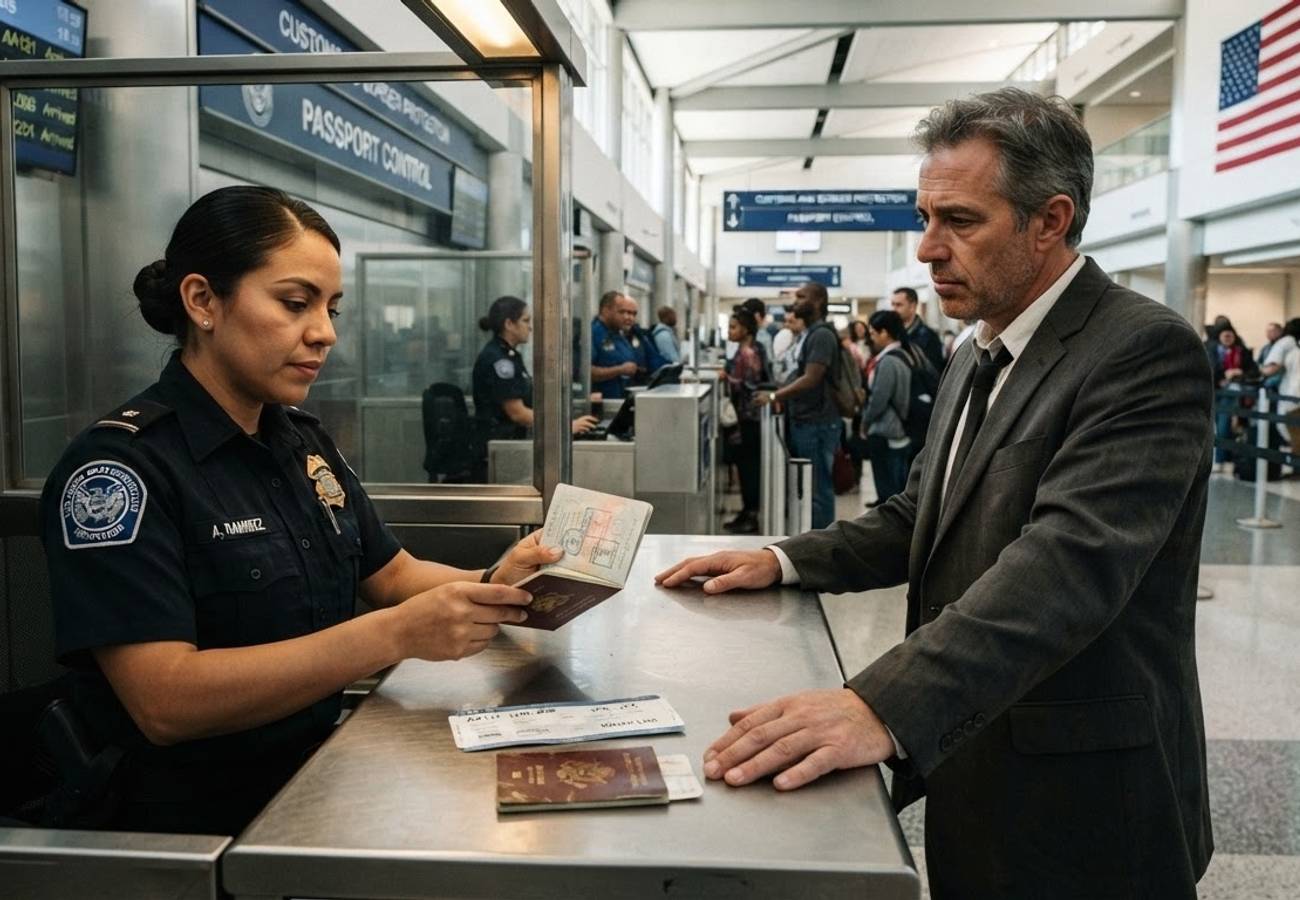
Image generated by AI
Strict enforcement of US passport validity rules is currently stranding travelers at Dallas, New York, and Atlanta hubs. Passengers are being blocked from boarding or refused entry due to expired documents or insufficient validity periods.
Enforcement of Passport Validity Rules
US Customs and Border Protection (CBP) and the Department of State have ended the pandemic-era flexibility that previously allowed some US citizens to return home on expired passports. According to CBP guidance dated November 2025, this temporary measure officially concluded on June 30, 2022.
US citizens are now required to hold a valid, unexpired passport for direct return to the United States. Those with lapsed documents must renew through the Department of State prior to travel. Routine processing times currently range between six to eight weeks, though urgent channels exist for documented emergencies.
For foreign nationals, the "six-month rule" is being strictly applied. Most travelers must possess a passport valid for at least six months beyond their intended stay in the US. While "six-month club" agreements exist for specific countries—allowing passports to be valid up to the printed expiration date—these exceptions are not universal.
Impact Breakdown by Aviation Hub
Our analysis of airport operations indicates that three primary gateways are experiencing the highest volume of documentation-related disruptions:
- Dallas Fort Worth International (DFW): High volumes of long-haul traffic through the Terminal D federal inspection facility have led to increased screening scrutiny and boarding denials.
- John F. Kennedy International (JFK): As a primary transatlantic and transpacific hub, JFK is seeing a surge in missed connections and rebooking chaos when passengers are turned away at check-in.
- Hartsfield-Jackson Atlanta International (ATL): The world's busiest airport by passenger volume is reporting increased friction at boarding gates as carriers strictly validate ID and passport status.
Airline Enforcement and Boarding Protocols
Airlines are enforcing these rules at the point of check-in to avoid financial penalties associated with transporting passengers who are subsequently refused entry by CBP.
Carrier agents at JFK, LaGuardia, DFW, and Atlanta utilize automated document-checking systems to verify:
- Passport expiration dates.
- The six-month validity window for non-US citizens.
- Electronic System for Travel Authorization (ESTA) status for visa-waiver travelers.
For nonimmigrant visa holders, a visa foil in an expired passport may remain valid if presented alongside a new, current passport. However, the passport used for the actual entry must be unexpired.
Passenger Rights & Advisory
For the affected passenger, a boarding denial based on passport expiration is generally considered a "passenger-caused" disruption rather than an airline operational failure. This has significant implications for compensation.
Rebooking and Compensation: Our analysis of aviation policy suggests that because the responsibility for valid travel documentation rests with the passenger, airlines are not typically required to provide complimentary rebooking or hotel vouchers under EU261/2004 or DOT guidelines in these specific instances. Passengers will likely be responsible for the cost of new tickets.
Actionable Steps for Travelers:
- The 6-Month Audit: If you are a foreign national, check your expiration date. If it expires within six months of your planned departure from the US, renew it now.
- Visa vs. Passport: Ensure you distinguish between your visa validity and your passport validity. A valid visa does not override an expired passport.
- Processing Windows: Allow a minimum of eight weeks for routine renewals to avoid the high fees and limited slots of expedited emergency services.
Industry Analyst View
The current surge in disruptions is a lagging effect of the mid-2010s travel boom. A significant volume of ten-year passports issued during that period are expiring simultaneously. When coupled with the complete withdrawal of pandemic-era leniency, the result is a systemic bottleneck at major US ports of entry.
The reliance on airline agents as the first line of border enforcement shifts the burden of immigration law onto commercial staff, increasing tension at check-in counters and contributing to terminal congestion during peak summer and holiday windows.
Verify your documents before you reach the terminal to avoid indefinite delays.
Related Travel Guides
Disclaimer
This article is for informational and educational purposes only. It does not constitute legal, financial, or professional advice. While we strive to provide accurate and up-to-date information, travel policies, regulations, and conditions change rapidly. Always verify information with official sources before making travel decisions. Nomad Lawyer makes no representations about the accuracy, reliability, completeness, or suitability of the information provided. Readers should consult qualified professionals for advice specific to their circumstances. The views expressed in this article are those of the author and do not necessarily reflect the views of Nomad Lawyer.
Preeti Gunjan
Contributor & Community Manager
A passionate traveller and community builder. Preeti helps grow the Nomad Lawyer community, fostering engagement and bringing the reader experience to life.
Learn more about our team →