
U.S. State Department Updates Belgium Travel Advisory in 2026 Warning of Crime and Civil Unrest
The U.S. government has updated its travel advisory for Belgium, urging citizens to exercise increased caution due to rising petty crime, political unrest, and terrorism risks.

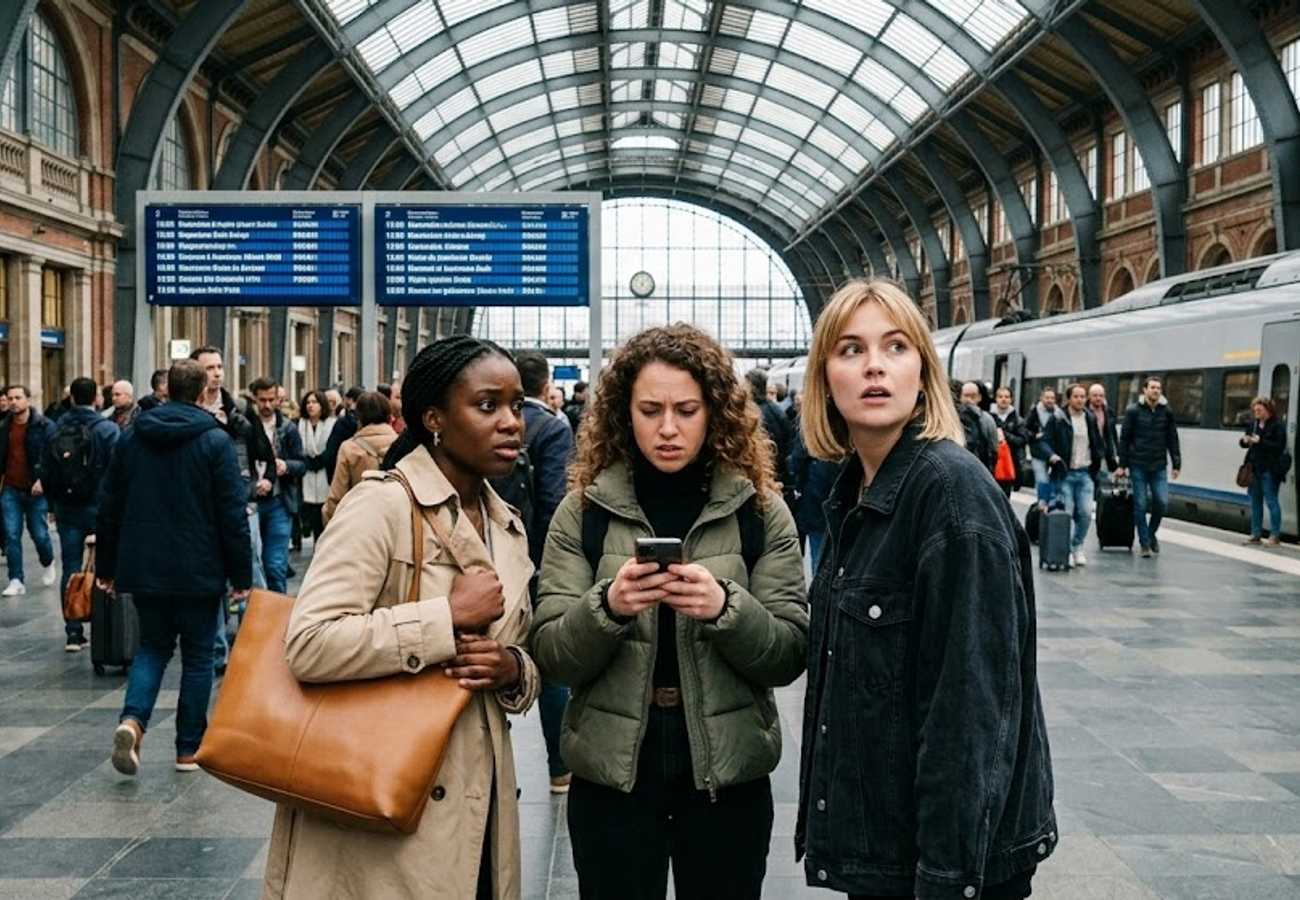
Image generated by AI
U.S. citizens visiting Belgium are now advised to maintain a higher state of vigilance as the State Department introduces new "crime" and "unrest" risk indicators for the country.
On July 23, the U.S. government updated its official guidance for Belgium, highlighting a prevalence of opportunistic crimes targeting foreigners. While the country remains a top destination for American tourists, the updated advisory emphasizes the need for increased caution in high-traffic urban areas and transit hubs.
Analyzing the Current Security Climate in Belgium
The U.S. government currently maintains a Level 2 travel advisory for Belgium. This classification signifies that travelers should exercise increased caution. The primary drivers for this rating are a combination of persistent petty crime, the potential for civil unrest, and a lingering threat of terrorism.
The State Department warns that terrorist organizations and inspired individuals continue to target U.S. citizens globally, including within Europe. Recent trends indicate a shift toward "less sophisticated methods," utilizing vehicles, firearms, knives, and rudimentary IEDs to attack crowded public spaces.
High-risk locations identified by the government include:
- Leisure hubs: Hotels, restaurants, clubs, and major tourist attractions.
- Infrastructure: Airports and public transportation systems.
- Public gatherings: Shopping centers, markets, malls, and places of worship.
- Educational institutions and schools.
Navigating Urban Crime and Civil Unrest
The most immediate threat to the average traveler is not terrorism, but low-level street crime. The State Department reports that pickpocketing and purse snatching are common, particularly in major cities.
Thieves frequently operate in coordinated groups using distraction techniques, such as intentional bumping or shoving in crowded areas. High-risk zones specifically mentioned include the Brussels metro at night, buses, trams, and all train stations.
Beyond theft, the advisory notes that large-scale demonstrations linked to economic and political instability occur frequently. While these protests are generally peaceful, they can disrupt essential services and transportation. In some instances, these gatherings can escalate into confrontational or violent encounters, often coinciding with international events or major holidays.
To mitigate these risks, the U.S. Embassy in Belgium provides regular "security/demonstration alerts" that detail specific venues, affected traffic routes, and schedules.
Strategic Safety Measures for Travelers
To avoid becoming a target for opportunistic theft, travelers are encouraged to adopt a low-profile approach. Avoiding the display of expensive jewelry or luxury watches is recommended, as is limiting the amount of cash carried during excursions.
Specific precautions for transit and transport include:
- Train Travel: Avoid placing valuables or bags in overhead shelves. There has been a documented increase in bag thefts on the Brussels–Amsterdam route.
- Vehicle Safety: Keep windows rolled up and doors locked at all times, especially when stopped at traffic lights.
- Parking: Use secured parking garages. If street parking is necessary, choose well-lit areas and ensure no valuables are visible on the seats or dashboard to prevent "smash and grab" robberies.
Belgian Hospitality Toward American Visitors
Despite the security warnings, Belgium remains one of the most welcoming European nations for U.S. citizens. This is particularly notable given a trend from late 2025 and early 2026, where some Americans avoided Europe due to concerns over political perceptions.
Data from an Upgraded Points 2025 survey reveals that Belgian citizens are significantly more open to American tourists than their neighbors in other EU nations.
European Sentiment Toward U.S. Tourists (2025 Survey)
| Rank | Country | % of Respondents Describing Themselves as Unwelcoming |
|---|---|---|
| #1 | Belgium | 1.9% |
| #2 | Italy | 2.0% |
| #3 | Estonia, Netherlands, Finland, Poland | 3.0% |
| ... | France | 15.0% |
| ... | Hungary | 8.7% |
| ... | Norway | 8.0% |
| ... | Denmark | 7.5% |
| ... | Spain | 6.9% |
Data indicates that Belgium is currently the most welcoming European country for American visitors.
Essential Takeaways for 2026 Travelers
- Advisory Status: Belgium is at Level 2 (Exercise Increased Caution).
- Primary Threat: Petty crime (pickpocketing/purse snatching) in Brussels and other major cities.
- Transit Alert: Be extra vigilant on the Brussels–Amsterdam train line.
- Civil Unrest: Monitor U.S. Embassy alerts for demonstration schedules to avoid transport delays.
- Terrorism Risk: Be aware of "low-sophistication" attacks in crowded public spaces.
Frequently Asked Questions
Is Belgium currently safe for American tourists? Yes, the U.S. government considers it generally safe, provided travelers exercise increased caution (Level 2).
Where are the highest risks of petty crime in Belgium? The Brussels metro at night, train stations, and crowded tourist attractions are identified as high-risk areas for pickpocketing.
How can I stay updated on protests while in Belgium? The U.S. Embassy in Belgium issues regular security and demonstration alerts detailing affected areas and traffic detours.
Travelers are encouraged to verify the latest entry requirements and security reports via the official U.S. State Department website before departure.
Related Travel Guides
Disclaimer
This article is for informational and educational purposes only. It does not constitute legal, financial, or professional advice. While we strive to provide accurate and up-to-date information, travel policies, regulations, and conditions change rapidly. Always verify information with official sources before making travel decisions. Nomad Lawyer makes no representations about the accuracy, reliability, completeness, or suitability of the information provided. Readers should consult qualified professionals for advice specific to their circumstances. The views expressed in this article are those of the author and do not necessarily reflect the views of Nomad Lawyer.
Preeti Gunjan
Contributor & Community Manager
A passionate traveller and community builder. Preeti helps grow the Nomad Lawyer community, fostering engagement and bringing the reader experience to life.
Learn more about our team →