Northeast Brazil Christmas Travel 2026: Natal, Maceió, and Aracaju Pioneer Tropical Seaside Markets

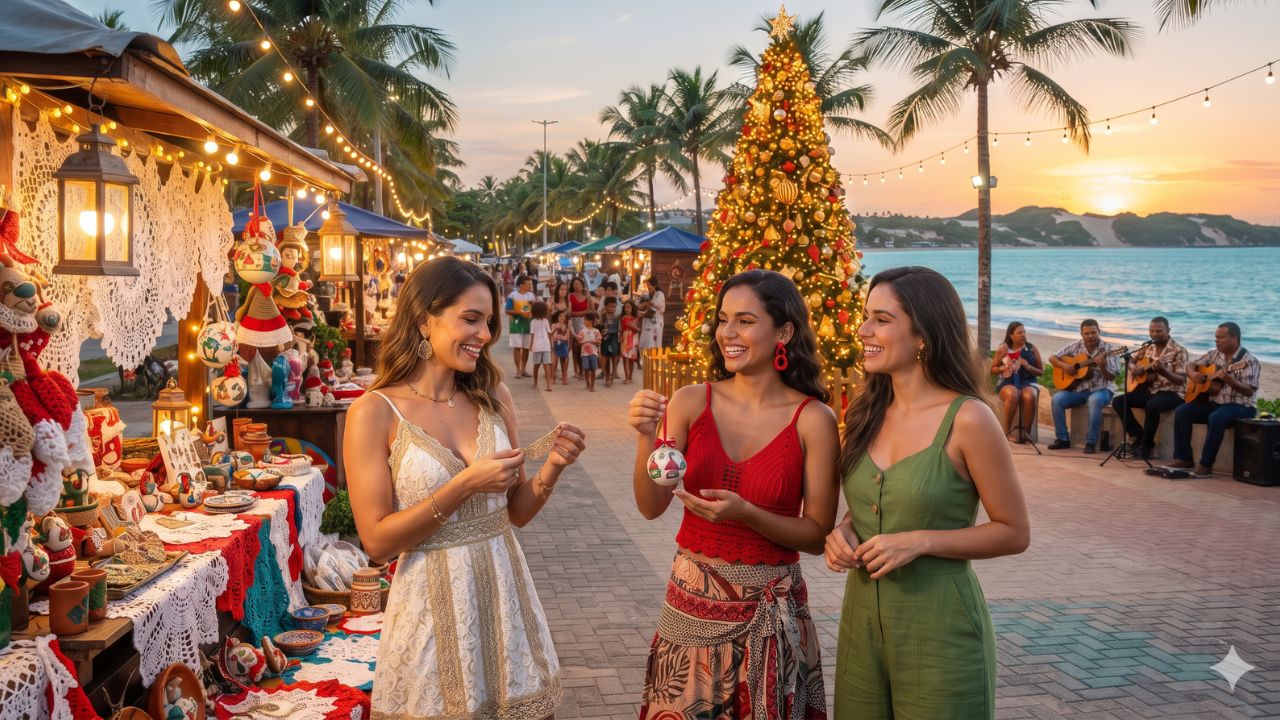
Founded on Christmas Day in 1599 and literally named "Christmas" in Portuguese, the coastal capital of Natal in Rio Grande do Norte is anchoring a major tropical festive travel boom across Northeast Brazil in 2026, curating 140 juried artisan exhibitors across its seasonal fairs while oceanfront Christmas villages in Maceió and Aracaju draw international sun-seekers eager to trade snowy European squares for seaside caipirinhas and warm Atlantic breezes. Backed by expanding transatlantic flight connections certified through Visit Brasil (Embratur), nine northeastern states are proving that holiday celebrations can thrive under palm trees, blending indigenous craft traditions, Afro-Brazilian percussion, and open-air seaside dining.
Tropical Christmas Identity: Atlantic Shorelines Replace Winter Snow
For international holidaymakers weary of sub-zero temperatures and bulky winter coats, Brazil's Northeast (Nordeste) provides a refreshing seasonal alternative. Rather than gathering around indoor braziers, visitors spend sunlit mornings bathing in natural coral barrier pools before strolling along open-air beachfront esplanades illuminated by thousands of festive lights after dusk.
This regional movement is anchored by cities redefining holiday public spaces:
- Natal (Rio Grande do Norte): Leveraging its historical namesake, the city is staging a comprehensive cultural program for 2026 comprising the Feira Natalina de Artesanato e Gastronomia, the Cores e Luz fair, and the dedicated Loja Natal Original boutique. Together, these venues provide curated display space for 140 artisan exhibitors. Municipal curators evaluate participants strictly on artistic creativity, cultural authenticity, and ecological sustainability, transforming holiday shopping into a direct showcase of Potiguar talent.
- Maceió (Alagoas): Celebrated for its turquoise lagoons, Maceió has pioneered the concept of seaside Christmas villages. Following the success of its Pajuçara beachfront village—which featured 19 kiosks divided between 13 handicraft stands and 6 local gastronomy stalls—and its civic marketplace at Parque do Centenário, the city combines evening gift shopping with sea-breeze dining right beside the Atlantic tide.
- Aracaju (Sergipe): Home to one of the most comprehensive family festivals in South America, Aracaju transforms the Orla da Atalaia into the Vila do Natal Iluminado. The oceanfront complex integrates artisan kiosks and solidarity-economy stalls alongside open-air theatrical stages, holiday parades, children's carousel rides, a towering Ferris wheel, and seasonal ice rinks.
- João Pessoa, Recife, and Teresina: In Paraíba's capital of João Pessoa, seasonal artisan gatherings assemble approximately 500 local craftspeople, highlighted by the mobile holiday fair near Busto de Tamandaré specializing in crochet beachwear and botanical gifts. In Recife, the two-day artisan fair in coastal Boa Viagem pairs with the "Viva o Centro" urban regeneration market. In inland Piauí, Teresina's Natal de Sonho e Luz program demonstrates how solidarity-economy markets and culinary showcases can restore civic life to historic downtown squares.
Handcrafted Heritage: Lacework, Ceramics, and Coastal Flavors
Christmas markets across the Nordeste differ fundamentally from commercial souvenir stalls. Each state's holiday fairs showcase distinct artistic disciplines rooted in regional geography and ancestral folklore:
- Renda Renascença and Bilro Lace: Fine needlepoint lace crafted by master weavers in Paraíba and Pernambuco, using delicate cotton threads to produce intricate heirloom table runners, holiday ornaments, and breezy linen garments.
- Figurative Clay Ceramics: Unglazed and painted terracotta sculptures produced in the artisan villages of Caruaru and Sergipe, depicting desert vaqueiro cowboys, nativity scenes with tropical fauna, and traditional coastal fishing rafts (jangadas).
- Culinary Specialties: Market kiosks serve regional delights including warm tapioca crepes stuffed with melted queijo coalho cheese and fresh shredded coconut, slow-cooked sun-dried beef (carne de sol), seasonal cashew-apple pastries, and bottles of artisanal sugarcane cachaça infused with native tropical fruits.
Leading Destinations in Brazil's Northeast Festive Tourism Circuit (2026)
The table below outlines key destinations across Northeast Brazil, highlighting their signature Christmas programming, geographic setting, and local craft specialties:
| Rank | Destination Hub | State | Main Festive Program / Market Setup | Regional Craft & Cultural Specialty |
|---|---|---|---|---|
| 1 | Natal | Rio Grande do Norte | Feira Natalina, Cores e Luz, Loja Natal Original | 140 exhibitors; Potiguar embroidery, colored sand art |
| 2 | Maceió | Alagoas | Vila de Natal in Pajuçara & Parque do Centenário | Beachfront kiosks; Filé lace, coconut wood carvings |
| 3 | Aracaju | Sergipe | Vila do Natal Iluminado at Orla da Atalaia | Solidarity economy; Ferris wheel, parades, clay pottery |
| 4 | João Pessoa | Paraíba | Feira Natalina & Mobile Market at Busto de Tamandaré | 500 makers; Renascença lace, crochet coastal fashion |
| 5 | Recife | Pernambuco | Feira de Artesanato Boa Viagem & Viva o Centro | Leatherwork, woodcut cordel prints, traditional sweets |
| 6 | Fortaleza | Ceará | Ciclo Natalino & creative-market street fairs | High New Year occupancy; labirinto lacework, cashew sweets |
| 7 | Salvador | Bahia | Pelourinho city lighting & artisan cultural fairs | Historic Afro-Brazilian percussion, sacred beadwork |
| 8 | Teresina | Piauí | Natal de Sonho e Luz & solidarity culinary fairs | Inland river pottery, opals, regional cajuína beverages |
| 9 | São Luís | Maranhão | Natal do Maranhão & Feirinha São Luís | Bumba Meu Boi holiday folklore, azulejo tile crafts |
| 10 | Pipa | Rio Grande do Norte | Coastal boutique artisan stalls & holiday dining | Eco-conscious jewelry, beachwear, coastal paintings |
Visitor Insider Tips: Navigating Northeast Brazil Like an Expert
- Time Your Maceió Shopping for Evening Sea Breezes: Daytime temperatures along the Alagoas coast hover around 30°C (86°F). Spend your daylight hours swimming in the natural reefs of Pajuçara, then head to the waterfront Christmas village around 6:30 PM, when cooling offshore breezes make outdoor shopping and dining thoroughly enjoyable.
- Sample Fresh Tapioca Crepes at Pajuçara Kiosks: Skip standard hotel dinners and order a freshly prepared savory tapioca from an accredited market stall in Maceió. Watch the vendor spread cassava starch over a dry smoking griddle, filling it with salty coalho cheese, sun-dried beef, and sweet butter for under 15 Brazilian Reais.
- Fly into Regional Hubs to Avoid Long Bus Transfers: Key international gateways including Salvador, Recife, Fortaleza, and Natal now offer expanded seasonal direct flights from Europe and South America. Book direct flights into your target state rather than connecting through São Paulo, saving up to six hours of transit time.
- Buy Renda de Bilro Directly from Cooperatives: When shopping in João Pessoa or Natal, look for artisan tags indicating membership in local craft cooperatives. Direct purchases ensure fair living wages for rural female weavers living in the semi-arid interior, preserving heritage techniques that have survived since the 18th century.
- Combine Natal Shopping with Dunes at Genipabu: Take an exhilarating morning dune buggy excursion across the shifting sand dunes of Genipabu north of Natal, then return to the city center by 5:00 PM to experience the Cores e Luz light displays and artisan kiosks at Loja Natal Original. Explore historic colonial architecture in neighboring Bahia by visiting the Historic Centre of Salvador.
Cultural and Environmental Context: Solidarity Economies and Coastal Care
The rise of warm-weather holiday markets across Northeast Brazil represents a deliberate strategy to democratize tourism revenue. Known locally as the economia solidária (solidarity economy), municipal programs in Aracaju, Teresina, and Natal reserve prime commercial spaces specifically for micro-entrepreneurs, female heads of households, and rural cooperative artisans. This decentralized model ensures that seasonal expenditures flow directly into household economies rather than being absorbed exclusively by multinational resort conglomerates.
Concurrently, northeastern municipalities face the challenge of protecting sensitive coastal ecosystems during peak summer arrival waves. In high-demand beach destinations like Pipa and Praia do Forte, municipal authorities collaborate with marine biologists to enforce lighting curfews on turtle-nesting beaches. Artificial holiday illuminations are strictly positioned away from coastal dunes to prevent disorienting newly hatched loggerhead and hawksbill sea turtles making their way to the ocean.
By harmonizing local economic empowerment with environmental consciousness, Northeast Brazil proves that holiday celebrations can create enduring community wealth while safeguarding the pristine shorelines that define the region.
FAQ: Visiting Northeast Brazil for Christmas 2026
What makes Christmas travel in Northeast Brazil unique? Northeast Brazil offers a tropical holiday experience where visitors enjoy oceanfront Christmas villages, artisan markets, live regional music, and coastal dining in warm summer weather instead of cold winter conditions.
Which city in Brazil is named after Christmas? Natal, the capital of Rio Grande do Norte, was founded on December 25, 1599, and is named "Christmas" in Portuguese. It celebrates with major artisan fairs and festive illuminations.
Do foreign tourists need a visa to visit Brazil? Travelers from the European Union, United Kingdom, and many South American nations can enter Brazil visa-free for tourism stays up to 90 days with a valid passport. Visitors from other countries should verify current electronic visa requirements.
How do I travel between coastal cities in the Northeast? Modern interstate highway corridors connect neighboring capitals like João Pessoa, Recife, and Natal within a two- to three-hour drive, while domestic airlines operate high-frequency flights between regional coastal airports.
Beneath the warm sway of coastal palms and the gentle rhythm of the Atlantic tide, Northeast Brazil welcomes travelers to celebrate Christmas with sun-drenched joy, open plazas, and the genuine warmth of its people.
Related Travel Guides
Puerto Rico Christmas Markets 2026: Ponce, Caguas, Morovis, and Fajardo Light Up Beyond San Juan
The 10 Best Beachfront Pousadas and Seafood Kiosks in Northeast Brazil, According To Reddit (Coming Soon)
This article is for informational purposes. Flight routes, passenger regulations, visa rules, and transit advisories are subject to change by airlines and aviation authorities. Readers are advised to verify schedules and travel documentation with relevant carriers and border agencies before departure.
Related Stories
New Orleans November 2026 Travel Guide: Festivals, Bayou Classic, and Neighborhood Food Culture
Puerto Rico Christmas Markets 2026: Ponce, Caguas, Morovis, and Fajardo Light Up Beyond San Juan