
US Lake Destinations Drive Wellness and Outdoor Tourism Boom in 2026
US lake destinations are redefining wellness travel, led by Lake Tahoe's strict preservation, Austin's urban trails, and Caddo Lake's slow travel.
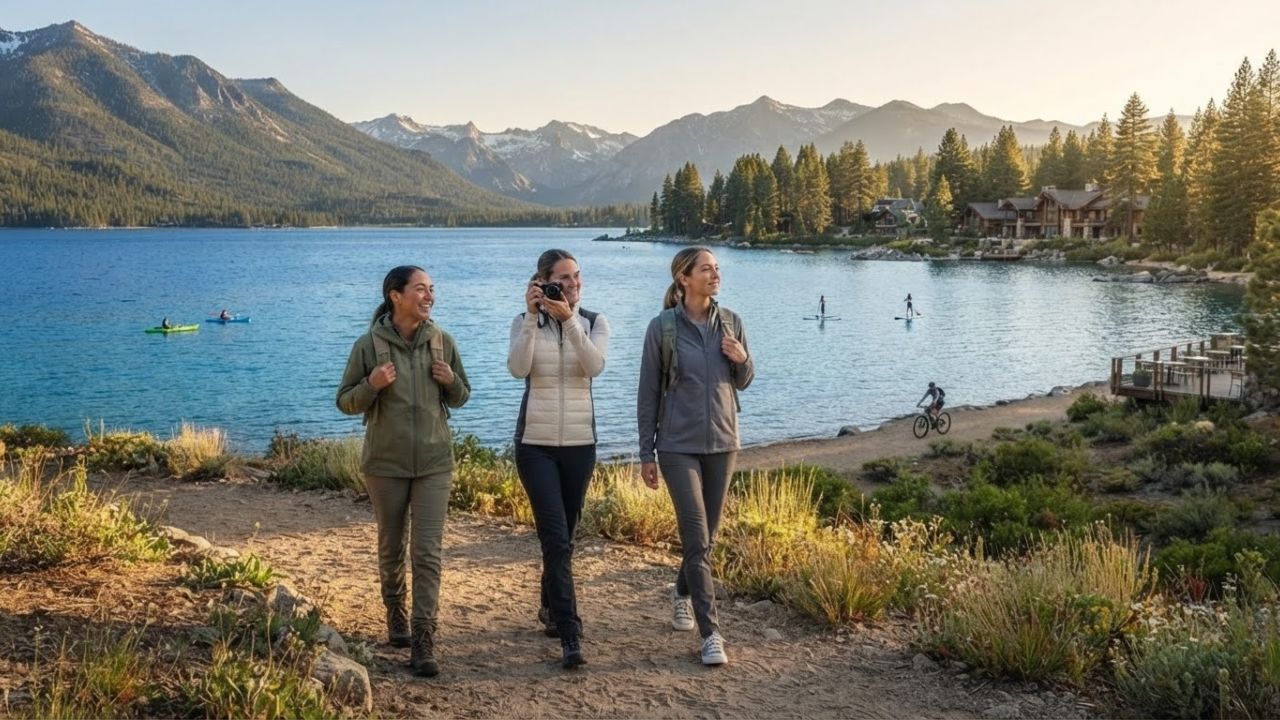
Image generated by AI
Reflecting a shift toward outdoor fitness, slow travel, and dark-sky observation, freshwater lake destinations across the United States are emerging as primary wellness tourism hubs.
The Core Transit Update
Freshwater transit zones and lakefront recreation corridors are experiencing a significant growth wave. Holidaymakers are increasingly avoiding overcrowded seaside resorts, choosing instead to visit inland lakes that offer a mix of natural conservation and modern amenities.
From Lake Tahoe's strict environmental regulations to Lady Bird Lake's non-motorized urban fitness tracks, these destinations are leveraging green infrastructure to support sustainable travel while preserving vulnerable aquatic ecosystems.
Lake Destinations & Airport Gateways
Planning a wellness getaway to America's diverse lake regions requires comparing destination characteristics alongside transport gateways. The following tables outline key lake hubs and passenger airport transits.
| US Lake Destination | Primary Ecological / Heritage Feature | Key Outdoor Activity | Strategic Visitor Experience |
|---|---|---|---|
| Lake Washington (WA) | Urban microclimate thermal regulator | Kayaking & lakeside diving | Madison Beach lawns & Mt. Rainier views |
| Lake Michigan (MI) | Sleeping Bear Dunes National Lakeshore | Coastal dune hiking | Harbor Springs craft & culinary tours |
| Lake Champlain (VT/NY) | Historic fortifications & orchards | Island cycling & farm tours | Burlington waterfront microbreweries |
| Lake Tahoe (CA/NV) | High-elevation alpine cobalt water | Hiking, boating & skiing | Shoreline ecological conservation walks |
| Lady Bird Lake (TX) | Colorado River urban reservoir | Hike-and-bike trail runs | Non-motorized paddleboard/kayak fitness |
| Caddo Lake (TX/LA) | Submerged bald cypress swamp | Slow-travel canoe trails | Spanish moss wetland birdwatching |
US lake destinations and traveler profiles.
| Lake Destination Area | Primary Airport Gateway | Recommended Ground Transit Corridor | Strategic Passenger Advice |
|---|---|---|---|
| Lake Washington | Seattle-Tacoma (SEA) | Sound Transit Link Light Rail | Use Metro bus lines for beach parks |
| Lake Tahoe | Reno-Tahoe International (RNO) | Lake Tahoe airport shuttle vans | Pre-book winter and summer shuttles |
| Lake Champlain | Burlington International (BTV) | Local bike path & hire network | Walk to waterfront dining from downtown |
| Lady Bird Lake | Austin-Bergstrom (AUS) | CapMetro bus & ride-share links | Encircled by downtown hike/bike trails |
US lake tourism airport gateways and transit access.
Traveler Logistics Guide
From a ground-level perspective, the best way to navigate this is to lease an electric vehicle (EV) or rely on local public shuttle buses when accessing high-altitude locations like Lake Tahoe, as regional authorities enforce strict emissions limits and parking controls near delicate shoreline trails to protect the water's clarity. Checking vehicle charging points is recommended.
To plan your freshwater wellness vacation:
- Hike-and-Bike Trail Etiquette: When visiting Lady Bird Lake in Austin, remain on the designated pedestrian paths. Motorized scooters are prohibited, ensuring a safe corridor for runners and cyclists.
- Sleeping Bear Dunes Pass: A valid National Park pass is required to hike Sleeping Bear Dunes National Lakeshore. Purchase your vehicle pass online to avoid entrance gate queue lines.
- Caddo Lake Swamp Navigation: The cypress maze of Caddo Lake is highly complex. Rent a kayak equipped with a GPS or hire a licensed local guide to navigate the marked canoe trails safely.
- Burlington Bike Path Access: Rent a bicycle in downtown Burlington to explore South Hero Island's orchards along the Lake Champlain Causeway, avoiding narrow highway routes.
Infrastructure Impact Assessment
The development of sustainable lake tourism supports the expansion of eco-friendly hospitality investments across the United States.
By funding low-impact public walkways, restricting motorized boat emissions, and promoting dark-sky preservation for astro-tourism, local municipal boards protect essential public water reservoirs while generating steady revenue for regional craft breweries, farm-to-table restaurants, and community conservation groups.
Related Travel Guides
New Zealand Tourist Arrivals Rise 10% in First Five Months of 2026
Disclaimer
This article is for informational and educational purposes only. It does not constitute legal, financial, or professional advice. While we strive to provide accurate and up-to-date information, travel policies, regulations, and conditions change rapidly. Always verify information with official sources before making travel decisions. Nomad Lawyer makes no representations about the accuracy, reliability, completeness, or suitability of the information provided. Readers should consult qualified professionals for advice specific to their circumstances. The views expressed in this article are those of the author and do not necessarily reflect the views of Nomad Lawyer.