
US Suspends Immigrant Visa Scheduling Globally for Staff Retraining
The U.S. State Department has suspended scheduling for immigrant visa interviews worldwide to retrain consular staff on financial public-charge rules.

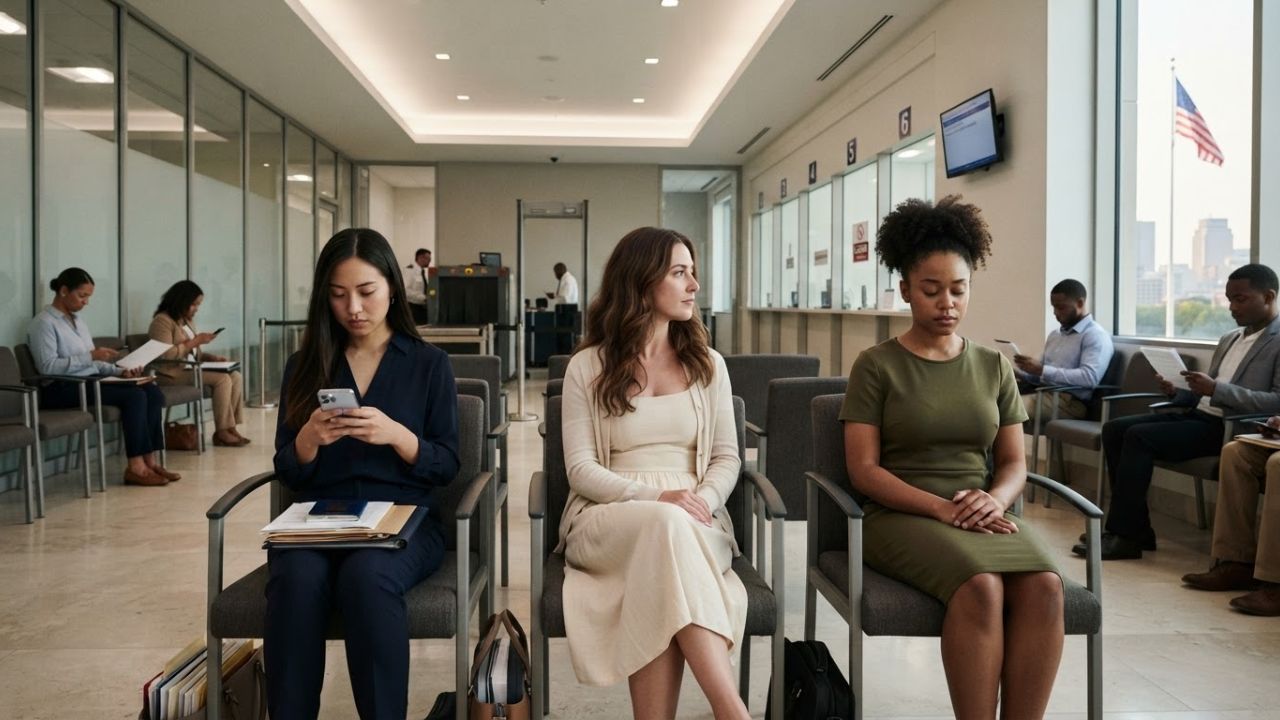
Image generated by AI
The U.S. State Department has suspended all standard scheduling for immigrant visa appointments worldwide, delaying permanent residency interviews for thousands of applicants. The global pause is designed to allow consular personnel to undergo training on updated legal standards and financial charge assessments.
The Local Trend Revealed
This global suspension halts processing for permanent residency applicants while consular staff receive instruction on public-charge regulations. The pause represents a strategic administrative shift following a key federal court ruling:
- Training and Public-Charge Rules: Consular officers are being trained to evaluate applicants' financial backgrounds. The objective is to verify that incoming permanent residents are unlikely to require public assistance or social safety nets.
- Consular Training Pause: To implement this curriculum, the U.S. Department of State paused scheduling for immigrant visa interviews at diplomatic posts worldwide. A concrete timeline for resuming routine scheduling has not been published.
- Federal Judicial Precedent: The administrative retraining follows a federal court ruling that struck down a presidential directive. That directive had sought to pause immigration processing for citizens originating from 75 predominantly poorer nations. The court ruled that the sweeping ban violated anti-discrimination protections and infringed on the statutory authority of individual consular officers.
- Human and Financial Costs: Applicants have faced last-minute cancellations after spending significant funds on mandatory panel physician medical exams, document collection, and travel to consular cities.
Local Community & Environmental Value
For applicants stranded in consular cities during the pause, the real impact lies in supporting local economies and choosing sustainable transit. Travelers can support neighborhood businesses by booking accommodations at independent, family-run guesthouses and dining at local neighborhood eateries near embassies rather than global hotel chains, keeping spending within the community.
To minimize environmental footprints, applicants can use public rail or bus networks to travel to and from consular appointments. Once in the United States, utilizing passenger rail corridors (such as Amtrak) instead of flying short-haul domestic routes reduces carbon emissions by up to 83 percent, supporting green initiatives monitored by the Federal Aviation Administration (FAA).
Visitor Insider Tips for U.S. Visa Applicants
Travel specialists recommend the following practices during the pause:
- Monitor the CEAC Status Daily: Rather than calling embassy telephone lines, check the official Consular Electronic Application Center (CEAC) portal daily for status updates.
- Manage Medical Exam Validity: Do not schedule or renew medical examinations immediately if your interview is delayed, as panel physician clearances are typically valid for only 6 months. Wait for official confirmation from the National Visa Center (NVC).
- Observe the Off-Peak Window: Once visas are approved, book flights to U.S. gateways during shoulder periods (November, or February to March). Flight prices are lower, and immigration queues at major airports are shorter than during summer or winter holidays.
- Sample Concurrency Specialties:
- Near consulates in Latin America: Sample fresh regional empanadas at neighborhood cafes.
- Near consulates in Europe: Try traditional fish and chips at local pubs.
- Organize Interview Documents: Keep all civil documents and financial sponsor affidavits organized in clear folders. When answering consular questions, be polite and answer directly without volunteering unrelated details. Tipping of 15 to 20 percent is standard in U.S. restaurants.
- Explore Quiet Spots in Washington D.C.: If waiting in the capital for family visa updates, escape the crowded National Mall and visit the quiet paths of the National Arboretum or the peaceful gardens of Dumbarton Oaks in Georgetown.
Consular and Immigration Outlook
The long-term impact of this training program is expected to standardize public-charge assessments across all U.S. embassies. By establishing clear guidelines, the State Department and the U.S. Department of Homeland Security (DHS) aim to ensure fair, consistent reviews, helping U.S. cities welcome permanent arrivals who comply with federal requirements.
FAQ: U.S. Immigrant Visa Suspension
Does the global visa pause affect tourist visas? No. The suspension applies strictly to immigrant visa interviews for permanent residency. Nonimmigrant visitor visas (B1/B2) for tourism, business, and study continue to be processed.
Why did the State Department suspend immigrant visa appointments? The pause was implemented to facilitate training for consular officers on updated public-charge guidelines and financial screening rules.
How does the recent court ruling affect the pause? Retraining consular officers globally allows the administration to implement public-charge standards without using country-specific bans, which were struck down by a federal court for violating anti-discrimination laws.
How long are U.S. visa medical exams valid? Consular medical clearances from authorized panel physicians are typically valid for 6 months from the date of the exam.
Related Travel Guides
Disclaimer
This article is for informational and educational purposes only. It does not constitute legal, financial, or professional advice. While we strive to provide accurate and up-to-date information, travel policies, regulations, and conditions change rapidly. Always verify information with official sources before making travel decisions. Nomad Lawyer makes no representations about the accuracy, reliability, completeness, or suitability of the information provided. Readers should consult qualified professionals for advice specific to their circumstances. The views expressed in this article are those of the author and do not necessarily reflect the views of Nomad Lawyer.
Raushan Kumar
Founder & Lead Developer
Full-stack developer with 11+ years of experience and a passionate traveller. Raushan built Nomad Lawyer from the ground up with a vision to create the best travel and law experience on the web.
Learn more about our team →