
Extreme US Heatwave Cancels Washington DC Independence Day Parade as Record Heat Dome Strains Power Grids Nationwide
A dangerous heat dome forces Washington DC to cancel its Independence Day parade while 185 million Americans face heat alerts. Power grids strain under peak air conditioning demand.

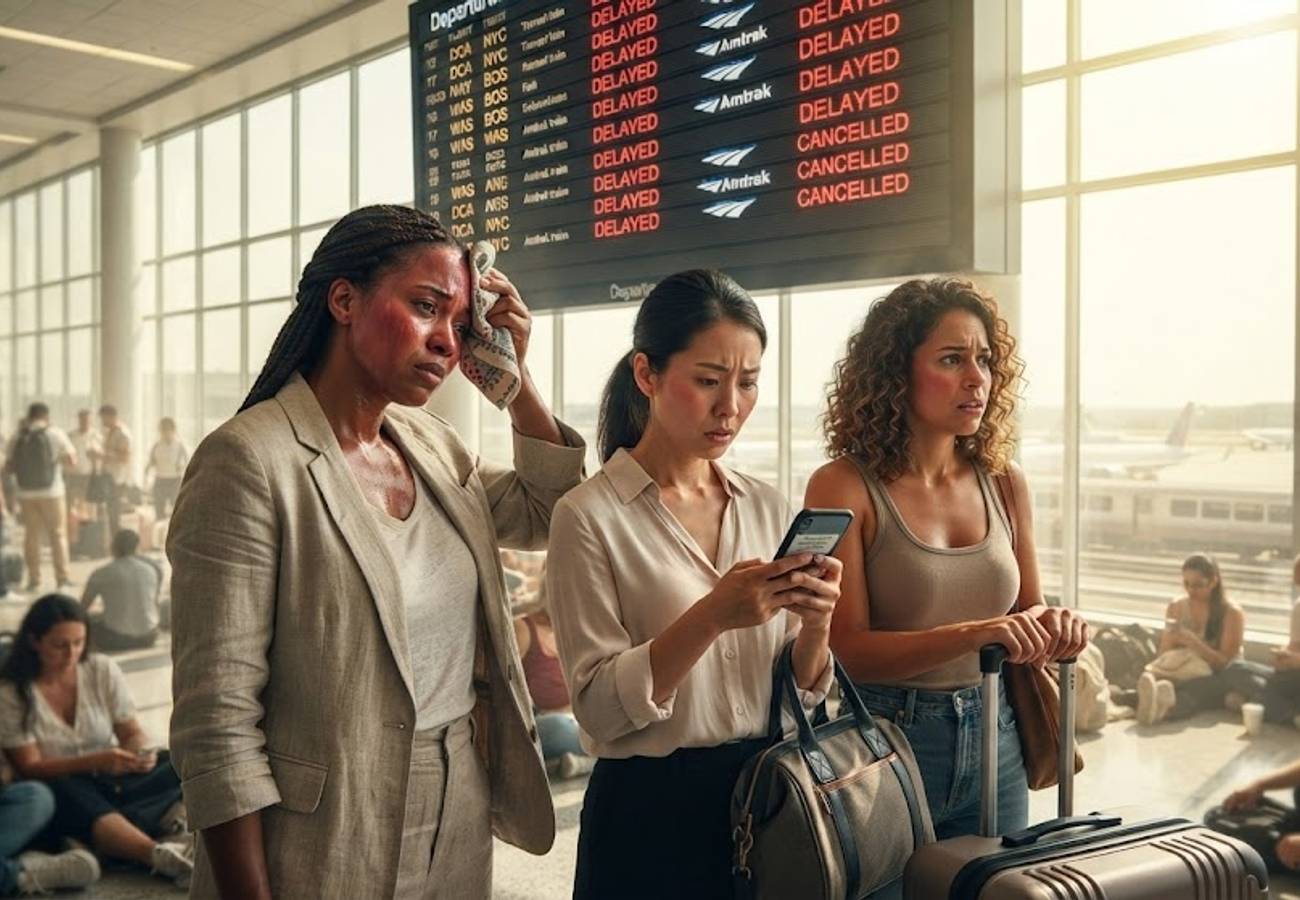
Image generated by AI
Heat Dome Shuts Down America's Independence Day Celebrations
It was supposed to be a record-breaking Fourth of July. Instead, a suffocating heat dome has transformed the holiday period into a travel nightmare, forcing Washington DC to cancel its iconic Independence Day parade and leaving millions of domestic travellers scrambling to adjust their plans.
The cancellation marks one of the most visible disruptions to American holiday travel in recent years. Organizers made the call after heat index levels reached dangerous thresholds that officials deemed unsafe for sustained outdoor exposure. The decision rippled across the nation, reshaping travel behaviour and reshuffling tourism demand during what should have been peak season for the hospitality industry.
Washington DC Becomes Ground Zero for Holiday Shutdown
The nation's capital faced the perfect storm: historic crowds converging on the National Mall, sweltering temperatures, and critical safety concerns that left officials with no choice.
The National Park Service pulled the plug on the traditional parade, citing extreme heat stress conditions that made prolonged outdoor exposure hazardous. The Great American State Fair on the National Mall also experienced temporary closures as temperatures soared beyond operational safety limits. Major outdoor venues along the National Mall went dark, disrupting tens of thousands of domestic tourists who had specifically travelled to the capital to witness America's 250th Independence Day commemorations.
Reddit: "Drove 8 hours to DC for the parade. Got there and everything was cancelled. Hotels won't refund, flights are booked solid. This heat is no joke." — r/travel
The cascading cancellations forced hotel chains, tour operators, and attractions to scramble for contingencies. What should have been a peak revenue weekend for the tourism sector instead became a logistics challenge with last-minute itinerary revisions and potential refund disputes.
The Heat Dome: A Meteorological Monster
Over 185 million people came under active heat alerts as meteorological agencies identified a persistent heat dome as the culprit—a massive air mass trapping scorching heat over central and eastern regions of the country.
This weather pattern intensified humidity levels and pushed temperatures into record-breaking ranges across major travel corridors. Heat index values threatened to reach life-threatening levels in some regions. For travellers, the situation created severe mobility challenges, particularly in cities hosting large Independence Day gatherings. Outdoor tourism activities, sightseeing plans, and festival-based travel were either restricted or cancelled outright.
Airlines reported increased passenger complaints about delayed flights due to heat-related runway closures. Ground crews struggled with equipment malfunctions in extreme temperatures, while passengers faced hours-long waits in non-air-conditioned spaces.
National Power Grid Collapses Under Peak Demand
The heatwave didn't just disrupt outdoor celebrations—it threatened the backbone of America's urban infrastructure.
Grid operators reported surging electricity demand as air conditioning usage spiked across hotels, airports, transport hubs, and residential areas. Emergency conservation alerts were issued in multiple regions as transmission systems approached critical load levels. In some areas, rolling outages impacted thousands of households, further complicating travel logistics for both domestic and international visitors.
Transport infrastructure, including rail and airport operations, faced indirect pressure as energy consumption peaked during extreme heat conditions. Airport terminals experienced temporary climate control failures. Train stations reported service delays due to track buckling from heat damage. The strain exposed vulnerabilities in infrastructure resilience during peak tourism periods coinciding with climate extremes.
A Nationwide Cancellation Cascade
The disruption extended far beyond Washington DC. Multiple cities across the eastern United States cancelled or postponed Independence Day parades, concerts, and fireworks displays. Philadelphia, New York-adjacent regions, New Jersey townships, and parts of New England all reported significant schedule changes to public events.
In several locations, organizers shifted celebrations to indoor alternatives or shortened outdoor programmes to reduce heat exposure risks. This widespread cancellation wave affected domestic travel patterns, as visitors who had booked trips specifically for holiday events were forced to adjust plans at short notice.
The tourism sector, which typically experiences its seasonal surge during this period, faced unexpected cancellations and reduced occupancy in several urban destinations. Hotel cancellation rates spiked. Tour operators reported mass rescheduling requests. Convention centres pivoted to emergency cooling stations rather than hosting festivities.
Health Officials Issue Urgent Travel Warnings
Public health authorities issued urgent advisories urging residents and travellers to avoid prolonged outdoor exposure, maintain strict hydration protocols, and seek shaded or air-conditioned environments.
The warnings particularly targeted vulnerable groups: elderly travellers, children, and individuals with pre-existing medical conditions. Travel planners and tour operators were forced to adjust itineraries, particularly for walking tours, outdoor festivals, and heritage sightseeing experiences.
Medical officials reported increased risk of heat-related illness due to sustained exposure during holiday gatherings. Emergency rooms in major cities reported surging admissions for heat exhaustion and heat stroke. These advisories effectively reshaped travel behaviour across the country, pushing a dramatic shift from outdoor tourism to indoor cultural attractions, museums, and climate-controlled venues.
What This Means for Summer Travel Going Forward
The Fourth of July heatwave represents a watershed moment for the US travel industry. This wasn't an isolated incident—it's a preview of climate-driven disruption patterns becoming routine during peak seasonal windows.
Airlines, hotels, tour operators, and destination management organizations are now facing critical questions about infrastructure resilience. Can power grids handle simultaneous record temperatures and peak summer tourism? Should cities redesign outdoor festival infrastructure to accommodate extreme weather? How do travel businesses price risk when climate events become unpredictable?
As extreme heat events become more frequent and intense, the US travel and tourism sector is likely to face increasing operational challenges, particularly in high-density urban destinations reliant on outdoor events and festivals during summer months.
The heat dome of 2026 won't be the last—and the travel industry needs to adapt or face annual disruptions.
Related Travel Guides
Disclaimer
This article is for informational and educational purposes only. It does not constitute legal, financial, or professional advice. While we strive to provide accurate and up-to-date information, travel policies, regulations, and conditions change rapidly. Always verify information with official sources before making travel decisions. Nomad Lawyer makes no representations about the accuracy, reliability, completeness, or suitability of the information provided. Readers should consult qualified professionals for advice specific to their circumstances. The views expressed in this article are those of the author and do not necessarily reflect the views of Nomad Lawyer.
Raushan Kumar
Founder & Lead Developer
Full-stack developer with 11+ years of experience and a passionate traveller. Raushan built Nomad Lawyer from the ground up with a vision to create the best travel and law experience on the web.
Learn more about our team →