
Fresh Wave Flight Cancellations Hit Gulf Hubs Amid Regional Tensions
A fresh wave flight crisis unfolds across Gulf aviation in April 2026 as regional tensions trigger 15 flight cancellations and 195 delays at Dubai, Jeddah, and Riyadh. What travelers need to know.

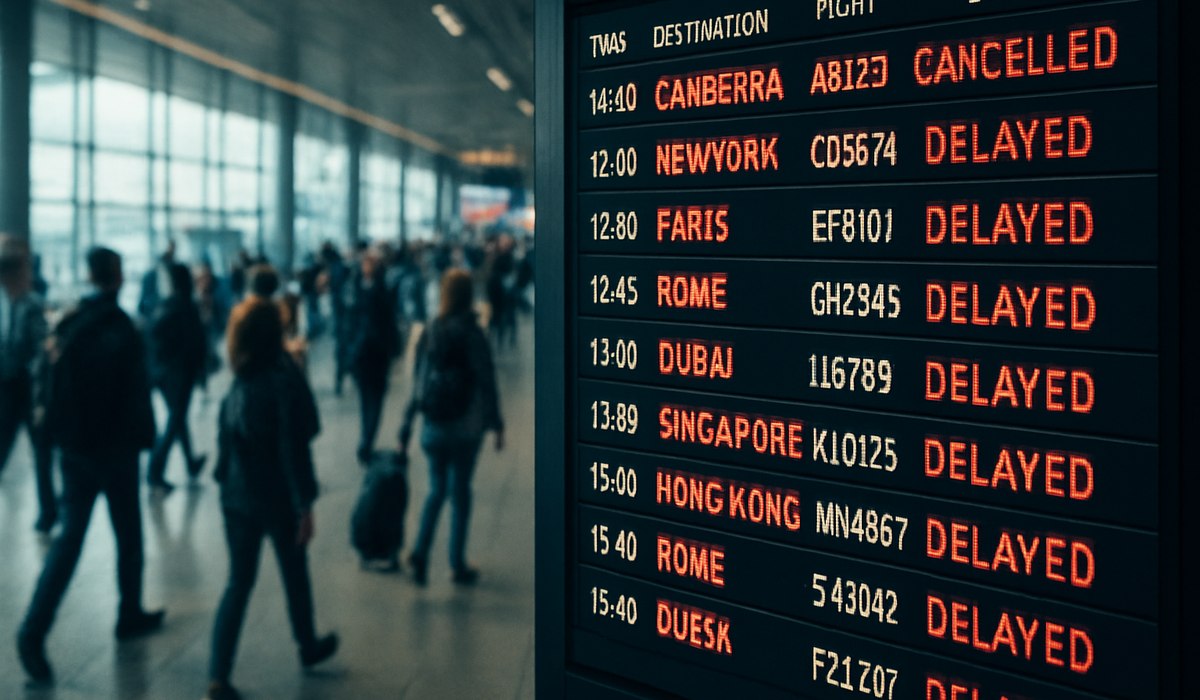
Image generated by AI
Breaking: Fresh Wave Flight Disruptions Surge Across Gulf Aviation
A fresh wave flight emergency is unfolding across the Middle East in April 2026. Regional tensions have triggered at least 15 flight cancellations and approximately 195 delays at major Gulf hubs including Dubai International Airport, King Abdulaziz International Airport in Jeddah, and King Khalid International Airport in Riyadh. Thousands of passengers face rerouted journeys and extended delays as airlines adjust schedules in response to evolving airspace restrictions across Bahrain, Saudi Arabia, Oman, and the United Arab Emirates.
Regional Tensions Keep Gulf Aviation on Edge
The fresh wave flight cancellations mark the latest chapter in a volatile recovery that began in late February 2026 when regional hostilities triggered comprehensive airspace closures. Unlike early March's mass groundings, today's disruptions reveal a fragile operational landscape where safety protocols remain unpredictable.
Carriers operating across the Gulf now systematically reroute long-haul services to avoid restricted airspace over Iran and Iraq. Some flights operate on extended northerly or southerly tracks, adding flight time and operational complexity. Regional services have consolidated frequencies, directly causing cascading cancellations and delays for connecting passengers throughout the network.
Travel advisories issued this week emphasize that flight status remains fluid. Even confirmed departures may face last-minute changes as airlines respond to evolving risk assessments. Passengers booking through Dubai, Jeddah, or Riyadh should anticipate potential modifications to itineraries through connecting hubs.
Latest Disruption: 15 Cancellations and 195 Delays Reshape Gulf Travel Plans
Current data reflects a persistent operational challenge across Gulf aviation. The fresh wave flight disruptions involve confirmed cancellations on scheduled services, with delays averaging 2-4 hours on remaining flights. These figures, while smaller than early March's hundreds of cancellations, underscore how fragile network recovery remains.
Airlines including Emirates, Gulf Air, Saudi Arabian Airlines (Saudia), and IndiGo have all implemented schedule reductions. Emirates operates more than 100 destinations from Dubai but maintains frequencies below normal pre-crisis levels. Consolidations particularly affect European routes, with services to Amsterdam, London, and Frankfurt seeing capacity reductions and aircraft substitutions.
For passengers already in transit, ground holds and extended waits at connecting hubs have become routine. Aircraft rotations through Dubai face delays averaging 4-6 hours, creating cascading effects on feeder flights from Jeddah and other Saudi airports. This bottleneck effect explains why regional carriers report higher-than-normal delay rates despite operating limited schedules.
Dubai, Jeddah and Riyadh See Rolling Schedule Changes
Dubai International Airport, the Middle East's largest hub, remains at the epicenter of disruption. While Emirates continues expanding to over 100 destinations, daily frequency adjustments create unpredictable conditions. European routes via Amsterdam show particular strain, with some flight numbers temporarily withdrawn and aircraft consolidations ongoing.
Jeddah's King Abdulaziz International Airport and Riyadh's King Khalid International Airport face rolling schedule changes as carriers gradually redeploy aircraft and crew. Short-haul services linking Saudi cities with Dubai and Abu Dhabi remain particularly sensitive to operational constraints. Earlier widespread suspensions are gradually giving way to phased resumptions, but significant gaps persist where crew availability and aircraft positioning remain incomplete.
When disruptions occur at Dubai, impact spreads rapidly through feeder routes. A single cancellation at the hub can cascade into multiple delays on services from Jeddah, Riyadh, and regional airports. This explains why fresh wave flight disruptions affect not just Gulf carriers but also Air India, IndiGo, and European airlines operating short-haul Gulf connections.
Check real-time flight status through FlightAware before departing for any Gulf airport.
Affected Airlines and Network Adjustments
Emirates maintains the most extensive network with trimmed frequencies and flexible rebooking policies. The airline acknowledges that network frequencies remain under continuous review as conditions evolve.
Gulf Air, Bahrain's flag carrier, continues managing effects of earlier airspace restrictions. Company advisories describe ongoing cancellations on Bahrain-centered routes, with some services rerouting through Saudi Arabia when necessary.
Saudi Arabian Airlines (Saudia) cautiously restores selected flights to Dubai, Abu Dhabi, and Amman on a limited basis. The airline explicitly warns that timings remain subject to sudden change, with any renewed restrictions potentially triggering additional cancellations.
IndiGo and other South Asian carriers serving Gulf labor and tourism markets navigate a complex patchwork of airspace constraints and airport operational limits. Short-haul services from Indian cities to Gulf destinations face unpredictable scheduling.
Check official airline websites for the most current schedule information, as fresh wave flight changes occur daily.
Live Flight Status and Real-Time Tracking
Passengers should monitor flights continuously through authoritative sources rather than relying on booking confirmations alone. FlightAware provides real-time departure and arrival updates for Gulf airports. The FAA and US DOT maintain updated advisories for affected regions.
Most Gulf airlines now offer SMS and push notification alerts for schedule changes. Enable these notifications immediately upon booking to receive fresh wave flight updates within hours of any modifications. Airlines have committed to 24-hour advance notice for major cancellations, though delays may still occur with minimal warning.
Ground delays at Dubai International currently average 2-3 hours for outbound flights, with inbound delays slightly longer due to airport congestion. Connections of less than three hours face significant risk of missed transfers; consider rebooking with longer connection windows when possible.
Traveler Action Checklist
- Verify your flight status on FlightAware and your airline's app before departing for the airport
- Enable SMS and push alerts through your airline's mobile application for real-time schedule change notifications
- Consider rebooking connections with minimum four-hour windows through Dubai, Jeddah, or Riyadh hubs
- Document all flight modifications with screenshots and emails from your airline for potential compensation claims
- Contact your airline directly rather than relying on booking confirmation emails for fresh wave flight information
- Review passenger rights through US DOT guidelines before accepting alternative flights
- Purchase travel insurance offering financial protection for schedule changes and cancellations
- Pack medications and essentials in carry-on luggage in case of unexpected rerouting through unfamiliar airports
- Maintain contact information for your airline's customer service, particularly for international hotlines
- Document all out-of-pocket expenses resulting from fresh wave flight cancellations for future reimbursement claims
What Travelers Should Know: Flight Status Updates and Advisories
The current fresh wave flight disruption reflects ongoing regional instability rather than sudden events. Airlines expect constraint periods could persist through June 2026, though intensity may decrease as diplomatic frameworks stabilize.
Passengers with flexible itineraries should consider postponing Gulf travel or booking alternative gateways through Istanbul, Doha, or Kuwait. These hubs offer longer flight paths but face fewer operational constraints. Travelers with fixed schedules should expect potential rebooking on flights departing 24-48 hours later than originally scheduled.
Refund policies vary significantly by airline and ticket type. Budget carriers typically deny refunds for regional disruptions, offering only rebooking on later flights. Full-service carriers including Emirates and
Disclaimer
This article is for informational and educational purposes only. It does not constitute legal, financial, or professional advice. While we strive to provide accurate and up-to-date information, travel policies, regulations, and conditions change rapidly. Always verify information with official sources before making travel decisions. Nomad Lawyer makes no representations about the accuracy, reliability, completeness, or suitability of the information provided. Readers should consult qualified professionals for advice specific to their circumstances. The views expressed in this article are those of the author and do not necessarily reflect the views of Nomad Lawyer.
Preeti Gunjan
Contributor & Community Manager
A passionate traveller and community builder. Preeti helps grow the Nomad Lawyer community, fostering engagement and bringing the reader experience to life.
Learn more about our team →