US and German Tourism Surge Drives Scotland Growth Beyond Edinburgh and Glasgow in 2026

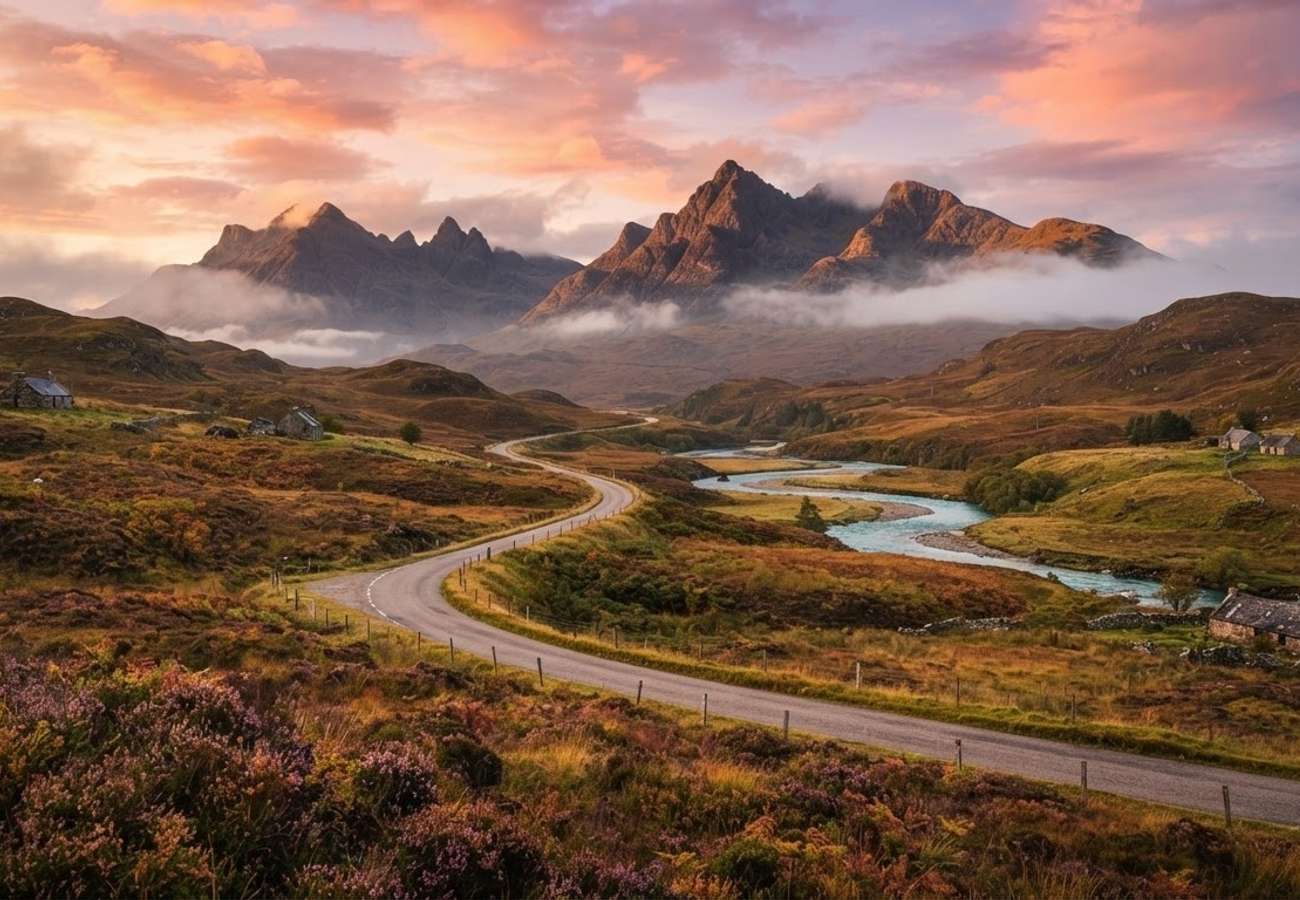
Image generated by AI
International visitor spending has reached £4 billion as a strategic shift in travel behavior pushes tourists away from urban hubs and into the Highlands and Islands.
Strategic Shift in International Visitor Patterns
Scotland is experiencing a structural transformation in its tourism economy. Data indicates a decisive move by international travellers—specifically from the United States and Germany—to bypass traditional city-break itineraries in Edinburgh and Glasgow in favor of nature-based, authentic experiences in remote regions.
In 2024, Scotland recorded 4.4 million international visitor trips, resulting in 30.7 million overnight stays. This diversification of travel routes is reducing the seasonal pressure on urban centers while stimulating economic growth in rural communities.
Market Breakdown: US and European Impact
Our analysis of the current tourism data reveals that the United States remains the most lucrative overseas market, while Germany is emerging as a primary growth engine within Europe.
The United States Market
The US market has shown aggressive growth in both volume and expenditure:
- Total Trips (2024): 964,000 (a 21% year-on-year increase).
- Total Spending: Approximately £1.4 billion (a 17% increase over 2023).
- Aviation Capacity: Scotland secured 100,000 additional US airline seats in 2025 compared to 2024.
American travellers are primarily driving demand for high-yield experiences, including luxury accommodation, golf tourism, and specialized whisky and Highland tours.
The German and European Market
European visitor spending has grown by 18%, with Germany identified as a priority market. German travellers are specifically targeting sustainable and active tourism, including:
- Cycling and walking holidays.
- Coastal landscapes and nature tourism.
- New direct air connectivity between Glasgow and hubs in Frankfurt and Munich.
Regional Distribution: Beyond the Cities
Flight tracking and visitor data show a significant increase in traffic toward secondary destinations. The following regions are seeing the highest growth in international interest:
- Isle of Skye: Now a global icon for photography and nature, specifically the Cuillin mountains and Fairy Pools.
- Outer Hebrides: Emerging as a "slow travel" premium destination known for white-sand beaches and archaeological sites.
- Orkney and Shetland: Gaining momentum in heritage tourism, focusing on UNESCO World Heritage Neolithic sites and Viking history.
- North Coast 500: Increased road-trip traffic as visitors seek authenticity over curated city tours.
Passenger Rights & Travel Advisory
For the international passenger planning a trip to Scotland in 2026, the shift toward remote regions introduces specific logistical considerations.
Air Travel and Rebooking Rights With the increase in US and European flight capacity, passengers should be aware of their protections. For those flying from EU/UK airports, UK261/EU261 regulations apply. If a flight to Glasgow or Edinburgh is cancelled or delayed by more than three hours due to airline fault, passengers are entitled to:
- Compensation: Up to £520 (€600) depending on flight distance.
- Duty of Care: Hotel accommodation and meals during extended delays.
Logistical Analysis for Remote Travel Our analysis of the infrastructure in the Highlands and Islands suggests that "slow travel" requires advanced planning. For the affected passenger, this means:
- Transport: Car rentals in the Outer Hebrides and Skye often reach capacity months in advance.
- Connectivity: While urban hubs are saturated, rural regions may have limited digital infrastructure; offline maps are essential for the North Coast 500.
- Seasonality: To avoid peak-season crowds and higher pricing, we recommend scheduling visits during the autumn or spring windows, which Scotland is now actively promoting as viable year-round options.
The decentralization of Scottish tourism is a calculated move to ensure long-term sustainability. By leveraging increased aviation capacity—specifically the 100,000 additional US seats—Scotland is successfully converting "stop-over" tourists into "deep-dive" explorers.
The reliance on the US market for high-spend, long-stay visits provides a stable economic floor, while the growth in German sustainable tourism aligns the country with broader European environmental trends. The primary risk remains the infrastructure strain on the Isle of Skye and the North Coast 500; however, the current push toward the Outer Hebrides and Shetland effectively redistributes this load.
Key Tourism Statistics Summary
| Indicator | Data |
|---|---|
| International Trips (2024) | 4.4 Million |
| International Nights | 30.7 Million |
| Total Visitor Spending | £4 Billion |
| US Visitor Trips | 964,000 |
| US Spending | £1.4 Billion |
| US Trip Growth | +21% YoY |
| European Spending Growth | +18% |
The evolution of Scotland into a multi-regional global destination signals a new era of high-value, low-impact tourism.
Related Travel Guides
This article is for informational purposes. Flight routes, passenger regulations, visa rules, and transit advisories are subject to change by airlines and aviation authorities. Readers are advised to verify schedules and travel documentation with relevant carriers and border agencies before departure.
Related Stories

Bolivia Emerges as Top Corporate Incentive Destination for High-Impact Executive Retreats in 2026

Sicily, Tuscany and Piedmont: Italy's Luxury Vineyard Escapes Attract US Travelers in 2026