
Beneath the Surface: The Ultimate Guide to America’s Eco-Snorkeling Sanctuaries in 2026

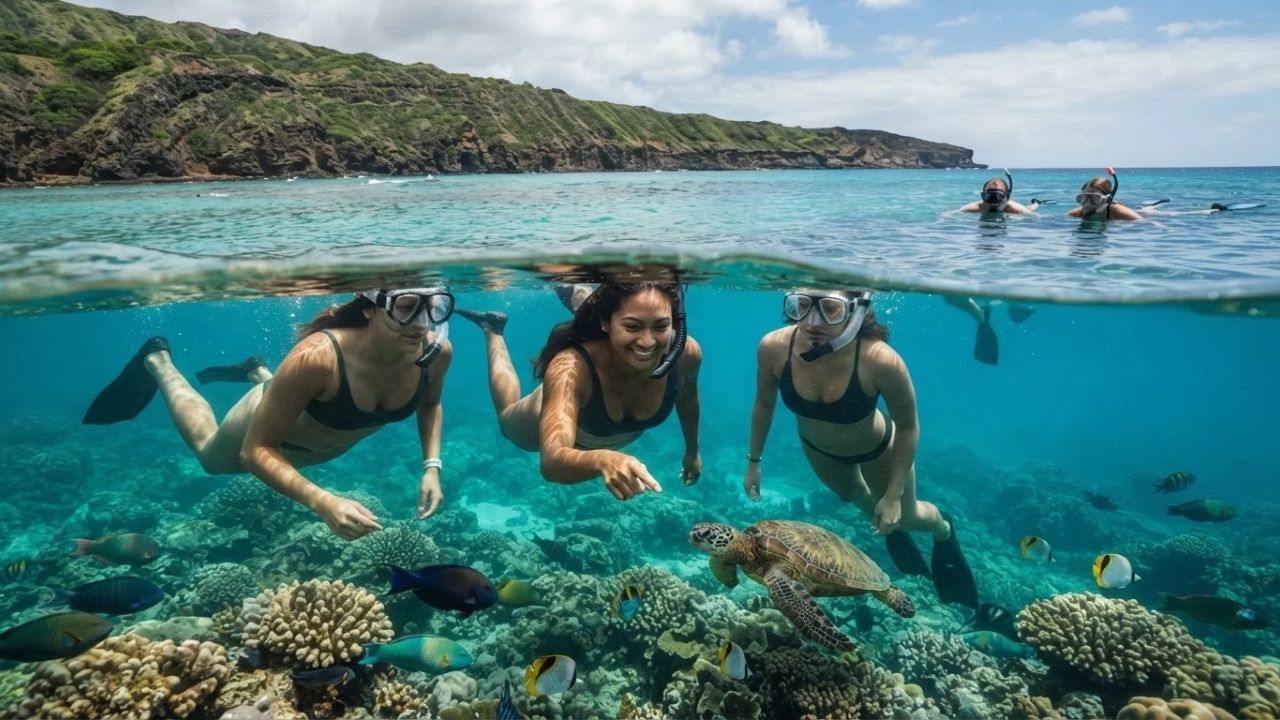
A single metal boat anchor dragged across a living coral reef can pulverize more than a century of delicate marine growth in a split second, which is why America’s premier coastal destinations have fundamentally rewritten the rules of aquatic adventure in 2026. From the mangrove estuaries of Jupiter, Florida, to the volcanic shallows of Kailua-Kona, Hawaii, and the cold-water kelp forests of San Diego, operators have replaced high-impact thrill tours with permanent mooring buoys, clear-bottom kayaks, and non-invasive wildlife protocols—proving that the most spectacular ocean encounter is one that leaves the seabed completely undisturbed.
Floating face-down above a vibrant reef with nothing but the rhythm of your own breath echoing through the snorkel tube is one of travel's purest sensations. Yet for decades, uncontrolled coastal tourism placed immense pressure on fragile marine habitats. Propellers chewed through shallow seagrass beds, chemical sunscreens bleached coral polyps, and careless swimmers stood on living brain coral. In 2026, a powerful national conservation movement is turning snorkeling into a model of environmental stewardship, uniting six iconic American coastal regions in a shared commitment to low-impact exploration.
The Conservation Wave: Inside America’s Six Flagship Eco-Snorkeling Havens
The transition toward conservation-led marine travel across the United States is anchored in six distinct coastal hubs, each offering specialized ecosystems protected by innovative visitor management models:
In Key Largo, Florida, situated adjacent to the protected waters of the Florida Keys National Marine Sanctuary, operators have systematically eliminated reef anchoring. Instead, catamarans tie up to designated marine mooring buoys, keeping heavy metal chains entirely off the seabed. Excursions emphasize surface-level observation and clear-kayak tours, allowing visitors to view delicate elkhorn and staghorn coral formations without risking fin contact with fragile living organisms.
Further north along Florida's Atlantic coastline, Jupiter has emerged as an eco-adventure pioneer by shifting the focus toward shallow-water mangrove channels and tidal estuaries. Transparent kayaks made from aerospace-grade polymers allow guests to glide silently through mangrove root tunnels. Because red mangroves serve as vital nursery habitats for juvenile reef fish, sea turtles, and West Indian manatees, non-motorized paddle craft eliminate acoustic and physical disturbance while providing unobstructed views into the aquatic nursery below.
In Hawaii, the evolution of marine management is especially visible across two distinct islands:
- In Kailua-Kona on the Big Island, operators conduct world-famous nighttime manta ray snorkeling excursions under strict wildlife-first protocols. Floating light boards illuminate the water from above, attracting microscopic plankton without blinding or disorienting the gentle giants as they barrel-roll inches beneath floating snorkelers. Touching the rays is strictly prohibited to preserve the protective mucus layer that shields their skin from bacterial infections.
- On Oahu, Honolulu’s renowned Hanauma Bay Nature Preserve operates as a global benchmark for managed visitor access. Enforcing strict daily capacity caps, advance booking reservations, and mandatory conservation orientation briefings, the preserve protects its pristine volcanic crater reef from tourist overcrowding while educating thousands of visitors each week.
Across the Pacific in California, San Diego offers a dramatic contrast to tropical coral reefs. At La Jolla Cove and the adjacent underwater park, cold nutrient-rich upwellings nourish dense kelp canopies. Small-group guided eco-tours allow snorkelers to glide alongside harmless leopard sharks, harmless bat rays, and playful California sea lions, maintaining respectful distances that prioritize animal comfort over social media selfies.
Finally, in Panama City Beach, Florida, eco-tourism has branched into pristine freshwater spring runs such as Cypress Springs. Fed by subterranean limestone aquifers, the spring flows with crystal-clear, 70-degree freshwater surrounded by native cypress forests. Guiding travelers toward non-motorized paddleboarding and freshwater snorkeling relieves recreational pressure on vulnerable coastal saltwater reefs while expanding regional nature-based travel.
This American transformation mirrors international conservation movements in destinations such as Barbados and Martinique, where marine travel is being rebuilt entirely around habitat preservation.
What Makes Sustainable Snorkeling Different: Moving Beyond the "Petting Zoo" Mentality
The traditional marine tour often operated like an aquatic petting zoo: operators chummed waters to provoke artificial feeding frenzies, boats dropped destructive anchors onto living coral heads, and guides plucked starfish and pufferfish from the seabed for passenger photos. Modern eco-snorkeling dismantles this exploitative model from hull to mask.
First, technical equipment has evolved toward absolute transparency. The introduction of 100% clear kayaks allows non-swimmers, families, and travelers of all physical abilities to observe stingrays, nurse sharks, and marine flora directly through the floor of their vessel. Because the craft are human-powered, they generate zero fuel emissions and no underwater motor noise, allowing wildlife to maintain natural foraging behaviors.
Second, environmental regulations increasingly govern personal care products. In destinations like Hawaii, state legislation strictly prohibits the sale and distribution of over-the-counter sunscreens containing oxybenzone and octinoxate—two common chemical UV filters proven by marine biologists to induce severe coral bleaching and disrupt marine DNA. Eco-conscious travelers now use certified mineral-based sunscreens utilizing non-nano zinc oxide, which sit on top of the skin and reflect solar rays without poisoning reef communities.
Third, the economic model has shifted toward a regenerative feedback loop. Rather than extracting resources from the ocean, eco-tour operators actively contribute to conservation. A percentage of booking fees is routinely channeled into non-profit coral nursery projects, artificial reef deployments, and sea turtle rehabilitation facilities. Visitors are transformed from passive consumers into active stewards who leave destinations with a deeper ecological conscience.
Visitor Insider Tips
Experiencing America’s top eco-snorkeling destinations like an expert requires localized planning, proper gear selection, and strict field discipline.
First, time your water entries around the tidal cycle. Water clarity at inshore sites like Key Largo and Jupiter peaks during slack high tide, when incoming ocean currents flush clear blue water into shallow reefs and mangrove lagoons. Arrive at Hanauma Bay in Honolulu or La Jolla Cove in San Diego before 08:00 to avoid midday thermal winds that generate choppy surface conditions and stir up seabed sediments.
Second, master hands-off ocean etiquette. Never touch, chase, or hover directly over marine wildlife. Under federal marine protection laws, maintaining a minimum distance of at least ten feet from sea turtles and marine mammals is legally mandated. When swimming over shallow reef flats, keep your body completely horizontal at the surface; if you need to adjust your mask, roll onto your back rather than treading water with your fins pointed downward toward living coral.
Third, invest in proper personal snorkeling gear. Avoid cheap, ill-fitting rental sets that leak and fog. Bring a low-volume mask with a soft silicone skirt and a dry-top snorkel. In San Diego's chilly Pacific waters (which often hover between 15°C and 19°C), wear a 3mm or 4mm neoprene wetsuit to maintain core warmth and buoyancy, paired with open-heel fins and neoprene booties for rocky shore entries.
Fourth, savor regional coastal culinary staples after your swim. In Hawaii, visit local neighborhood markets for authentic fresh ahi poke seasoned with sea salt, sesame oil, and crunchy limu seaweed. In the Florida Keys, order blackened wild grouper sandwiches paired with authentic tart key lime pie. In San Diego, head to seaside taquerias near La Jolla for fresh grilled mahi-mahi tacos dressed with shredded cabbage and creamy chipotle sauce.
Cultural and Environmental Context
In Hawaii, sustainable marine travel is rooted in the ancestral Indigenous philosophy of mālama ‘āina—the sacred duty to care for, respect, and nurture the earth and ocean. Ancient Hawaiian society governed coastal resources through the ahupuaʻa system, an integrated watershed management model running from mountain ridgelines to the coral reef, recognizing that what happens on land directly dictates the health of the sea.
Supported by state cultural initiatives promoted through the Hawaii Tourism Authority, modern tour operators educate travelers on how traditional Hawaiian values safeguard fragile marine ecosystems. Across the Pacific and Atlantic, these sanctuaries protect marine ecosystems recognized on the UNESCO World Heritage register and national marine monument systems.
By embracing non-invasive clear kayaks, permanent mooring networks, and mineral sunscreens, coastal communities prove that sustainable tourism can generate thriving economic livelihoods while safeguarding the extraordinary biodiversity of our oceans for generations to come.
FAQ: Eco-Snorkeling in the United States 2026
What makes a snorkeling tour truly eco-friendly? An authentic eco-tour uses permanent mooring buoys instead of damaging anchors, maintains strict hands-off wildlife policies, caps passenger group sizes, uses mineral reef-safe sunscreen, and provides educational briefings led by trained naturalists.
Do I need advance reservations for snorkeling at Hanauma Bay in Hawaii? Yes. Hanauma Bay Nature Preserve strictly enforces timed-entry reservations through its municipal online booking portal, with ticket slots opening two days in advance and filling within minutes.
Is it safe to snorkel with leopard sharks in San Diego? Yes. Leopard sharks at La Jolla Cove are completely harmless to humans. They possess small mouths adapted for feeding on crabs and bottom-dwelling crustaceans and typically swim calmly along shallow sandy flats during summer.
What is the best time of year for manta ray night snorkeling in Kailua-Kona? Manta ray encounters operate year-round along the Kona coast, with summer and autumn offering exceptionally calm seas and consistent plankton blooms that draw dozens of feeding rays each evening.
When we quiet our engines and learn to observe without touching, the ocean opens its deepest sanctuaries and welcomes us into its ancient dance.
Related Travel Guides
Disclaimer
This article is for informational and educational purposes only. It does not constitute legal, financial, or professional advice. While we strive to provide accurate and up-to-date information, travel policies, regulations, and conditions change rapidly. Always verify information with official sources before making travel decisions. Nomad Lawyer makes no representations about the accuracy, reliability, completeness, or suitability of the information provided. Readers should consult qualified professionals for advice specific to their circumstances. The views expressed in this article are those of the author and do not necessarily reflect the views of Nomad Lawyer.
Raushan Kumar
Founder & Lead Developer
Full-stack developer with 11+ years of experience and a passionate traveller. Raushan built Nomad Lawyer from the ground up with a vision to create the best travel and law experience on the web.
Learn more about our team →