
US Customs and Border Protection Seizes $53,800 from Passenger at Fort Lauderdale-Hollywood International Airport in 2026
A traveler heading to Jamaica was arrested for money laundering after US Customs and Border Protection seized $53,800 in undeclared currency, highlighting strict 2026 enforcement of the $10,000 reporting threshold.

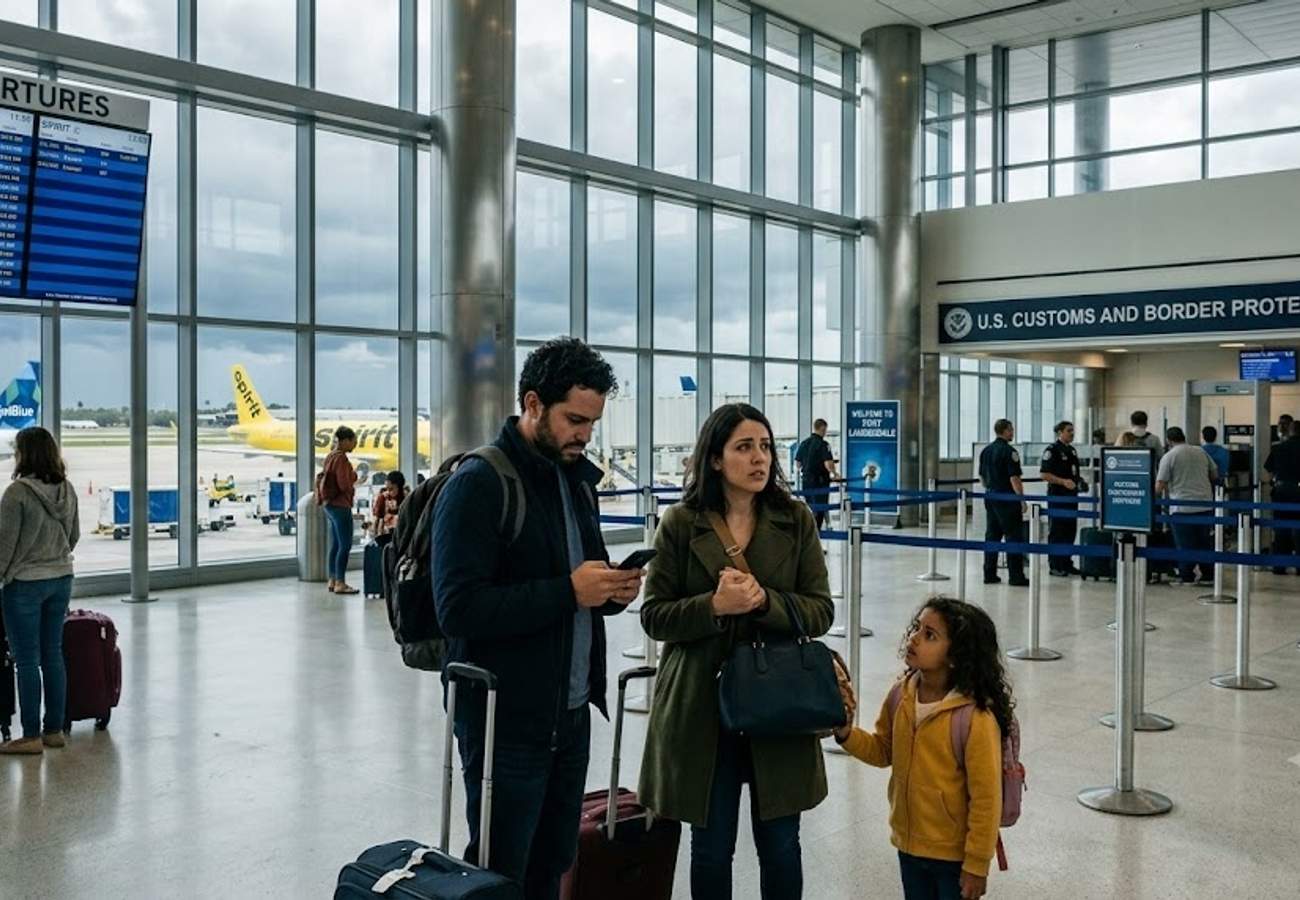
Image generated by AI
Headline Options:
- Factual/News: US Customs and Border Protection Seizes $53,800 from Passenger at Fort Lauderdale-Hollywood International Airport Over Undeclared Currency in 2026
- Curiosity-Gap (Discover): The $10,000 Mistake: Why a Trip to Jamaica Ended in Federal Arrests and a Massive Cash Seizure
- Problem-Solving (Search): How to Legally Carry Cash Internationally: Understanding US CBP Reporting Thresholds and FinCEN Form 105
$48.5 million in currency has already been seized by US authorities as of June 2026, proving that "hidden" cash is a high-risk gamble for modern travelers.
The Local Trend Revealed: Aggressive Currency Enforcement
Recent activity at US ports of entry reveals a sharp increase in the scrutiny of monetary instruments. On July 1, 2026, the tension of these regulations peaked at Fort Lauderdale–Hollywood International Airport. A passenger bound for Kingston, Jamaica, who initially claimed to be carrying no currency, was discovered with $53,800 in undeclared US dollars.
The result was not a simple fine. The traveler was immediately arrested by the Homeland Security Investigation (HSI) under Title 18, U.S. Code, Section 1956, facing federal money laundering charges. This incident is part of a broader trend where CBP is moving beyond simple seizures to active criminal prosecution. Daniel Alonso, Director of Field Operations for CBP’s Miami and Tampa Field Office, noted that these measures are designed to disrupt transnational criminal organizations that rely on bulk cash smuggling.
Cultural & Environmental Value: The Shift Toward Digital Transparency
For the visitor, the real impact is the erasure of the "cash-is-king" mentality during international transit. While carrying large sums is not illegal, the act of concealing them is treated as a red flag for financial crime. This shift supports a global move toward transparent, digital financial ecosystems, reducing the reliance on physical currency that often fuels illicit shadow economies.
The enforcement extends beyond Florida. In April 2026, federal officers seized over $44,000 in unreported currency at Philadelphia International Airport. This systemic crackdown is evident even at the US-Canada border, where dual nationals and foreign passport holders are facing longer detentions and more rigorous biometric screenings, such as fingerprinting.
Understanding the $10,000 Threshold
The federal mandate is clear: any traveler carrying currency or monetary instruments totaling more than $10,000—whether entering or exiting the US—must file a declaration with the U.S. Department of the Treasury.
Crucially, this threshold is collective. If a family or group travels together, the $10,000 limit applies to the total amount carried by the group, not per individual.
Reporting Mechanisms:
- FinCEN Form 105: This is the primary document used to report international transportation of currency.
- Submission: Travelers can complete the form electronically or present a physical copy to border officers.
Seizure Data and Fiscal Impact
The financial scale of these enforcement actions is significant. Funds that are not successfully contested through a legal forfeiture process are transferred to the Treasury Forfeiture Fund, which supports local law enforcement and fraud victims.
| Fiscal Year | Total Currency Seizures |
|---|---|
| 2023 | $53 million |
| 2024 | $45 million |
| 2025 | $66.6 million |
| 2026 (as of June) | $48.5 million |
Visitor Insider Tips: Navigating Border Security
To avoid the risk of seizure or detention, travelers should adhere to these practical guidelines:
- The "Over-Declare" Rule: If you are unsure if your total (including traveler's checks or money orders) exceeds $10,000, declare it anyway. There is no penalty for declaring legal funds, but there are severe penalties for failing to do so.
- Documentation: Always carry proof of the source of your funds (bank statements, withdrawal slips) if you are transporting large sums for business or family savings.
- Digital Alternatives: Use secure wire transfers or travel cards to avoid the physical risks of cash transport.
- Timing: Be aware that scrutiny increases during peak holiday travel windows and at high-traffic hubs like Miami, Fort Lauderdale, and JFK.
- Legal Recourse: If funds are seized, you have the right to contest the forfeiture by proving a lawful source of the money, but this must be done within the strict legal window provided by the CBP.
Tourism Outlook
The long-term impact of these stringent measures is a gradual shift in traveler behavior. As CBP integrates more facial scanning and biometric data, the "human element" of customs inspections is being augmented by AI and data-driven risk profiling. For the legitimate traveler, this means a more predictable experience, provided that transparency is maintained. However, for those attempting to bypass financial reporting, the window of opportunity is closing rapidly.
Travel smarter by prioritizing transparency over convenience at the border.
Related Travel Guides
Disclaimer
This article is for informational and educational purposes only. It does not constitute legal, financial, or professional advice. While we strive to provide accurate and up-to-date information, travel policies, regulations, and conditions change rapidly. Always verify information with official sources before making travel decisions. Nomad Lawyer makes no representations about the accuracy, reliability, completeness, or suitability of the information provided. Readers should consult qualified professionals for advice specific to their circumstances. The views expressed in this article are those of the author and do not necessarily reflect the views of Nomad Lawyer.
Raushan Kumar
Founder & Lead Developer
Full-stack developer with 11+ years of experience and a passionate traveller. Raushan built Nomad Lawyer from the ground up with a vision to create the best travel and law experience on the web.
Learn more about our team →