
CBP Revokes Global Entry Status and Fines Traveler $500 Over 19 Pounds of Banned Spanish Chorizo in 2026
U.S. Customs and Border Protection is intensifying Global Entry revocations, recently fining a traveler $500 and stripping trusted traveler status over 18.6 lbs of undeclared pork and 0.88 lbs of deer sausage.

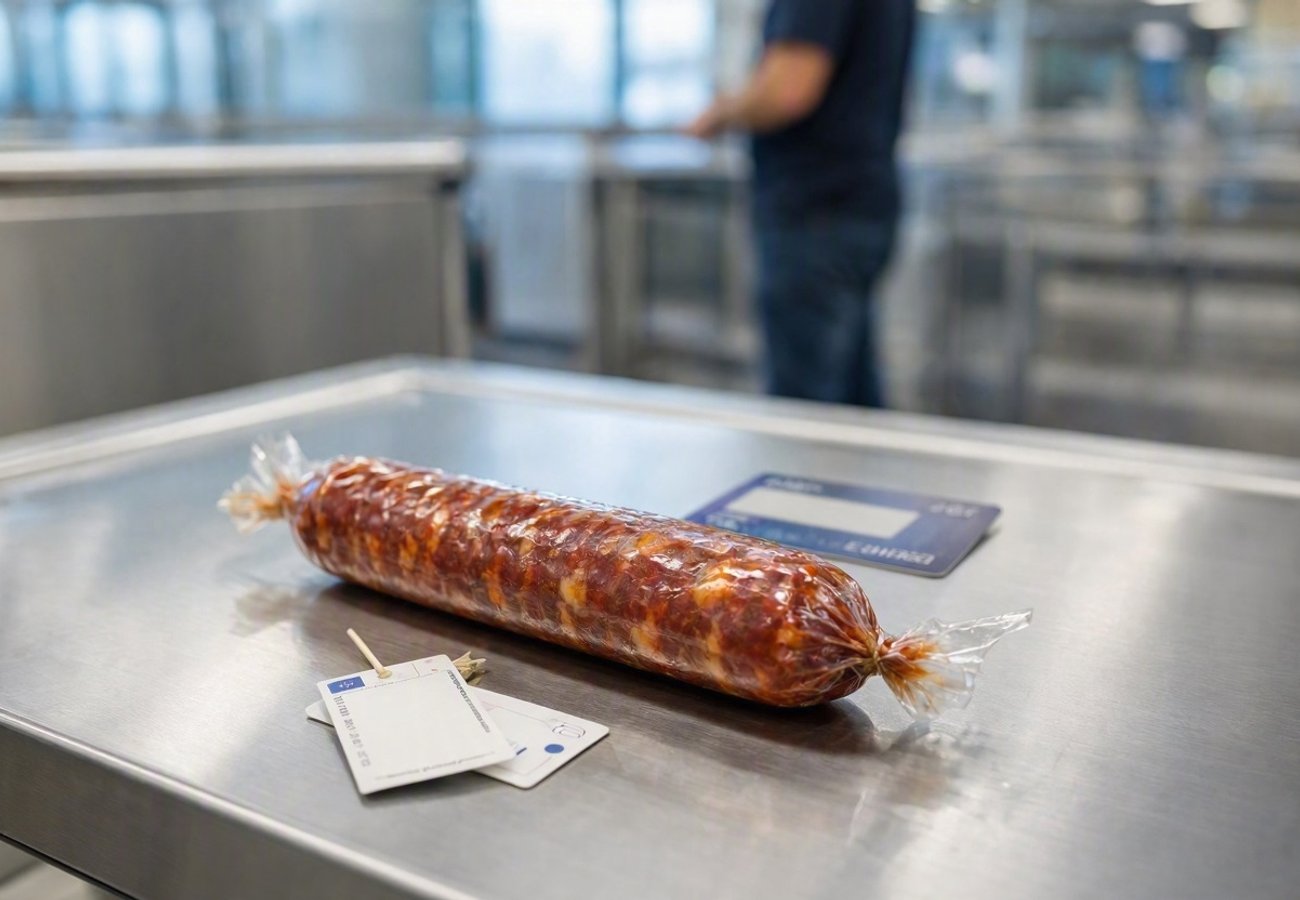
Image generated by AI
The threshold for maintaining Trusted Traveler Program (TTP) status has shifted from high-level security threats to strict agricultural compliance, as evidenced by a recent $500 fine and the immediate revocation of a Global Entry membership. This enforcement action at Seattle-Tacoma International Airport (SEA) underscores a broader operational pivot by U.S. Customs and Border Protection (CBP), where "minor" customs omissions now trigger permanent loss of expedited screening privileges.
The Enforcement Data: 19 Pounds of Risk
The specific incident involved a U.S. citizen and Global Entry participant who attempted to enter the United States via Seattle-Tacoma International Airport without declaring a significant quantity of prohibited meat products. CBP officers intercepted 18.6 lbs of pork and 0.88 lbs of deer sausage. Because this constituted a second violation for the individual, the agency took the dual step of seizing the items and permanently revoking their Global Entry status.
This is not an isolated event but part of a tightening regulatory grip. According to data obtained by Bloomberg, there is a rising trend of travelers being stripped of their TTP status for non-security violations. Recent benchmarks include:
- A July incident where a traveler lost Global Entry status after officers discovered over $22,000 in unreported cash in a carry-on bag.
- A September case where an American attorney and his spouse had their status revoked after the attorney refused to provide device passwords to CBP officers.
The items seized in the SEA incident were identified as Spanish chorizo, with price tags still attached in euros. While these products are available for purchase within U.S. borders, the U.S. Department of Agriculture (USDA) maintains a strict prohibition on personal imports of these items to prevent the introduction of foreign animal diseases.
Comparative Context: Agricultural Security vs. Traveler Convenience
The tension between the desire for authentic culinary souvenirs and national biosafety is highlighted by the disparity between commercial and personal import rules. While a commercial shipment of cured meats can enter the U.S. with the proper certification, a traveler carrying the same item in a suitcase is viewed as a biological risk.
The primary driver for these restrictions is Federal Regulation 9 CFR § 94.17. This regulation prohibits the import of dry-cured pork from regions plagued by African swine fever, foot-and-mouth disease, classical swine fever, or swine vesicular disease. The risk is quantifiable: Catalonia, Spain, has seen 379 confirmed cases of African swine fever in wild boar as of August 27, 2026.
| Metric | Personal Import (Traveler) | Commercial Shipment |
|---|---|---|
| Permissibility | Prohibited (Cured Pork/Salami) | Allowed with Certification |
| Documentation | None (Declaration only) | Full Health Certs & Permits |
| Penalty for Non-Disclosure | Fines + TTP Revocation | Shipment Seizure/Legal Action |
| Risk Factor | High (Uncontrolled Entry) | Low (Regulated Channels) |
The biological stakes are extreme. A 2025 review in the Open Veterinary Journal indicates that African swine fever carries a nearly 100% fatality rate among domestic pigs and wild boars. While the virus does not infect humans, the economic collapse of the U.S. pork industry would be a catastrophic result of a single undeclared chorizo sausage.
What This Means for Travelers
For the modern nomad or frequent flyer, the "Trusted Traveler" label is no longer a shield against scrutiny; it is a liability if compliance is not absolute. The data shows that CBP is using TTP revocation as a primary deterrent.
If you are returning from Europe—specifically France, Germany, Italy, or Spain—you must adhere to the following protocols to protect your Global Entry or TSA PreCheck status:
- The "When in Doubt, Declare" Rule: The USDA explicitly states that as long as agricultural products are declared, you will not face penalties, even if the item is prohibited and must be destroyed. The penalty is not for the item, but for the failure to declare the item.
- Audit Your Luggage: Avoid all fresh, dried, or canned meats, including Serrano ham, blood sausage, and meat-based stews like fabada or cocido.
- Verify Regional Outbreaks: Check the World Organisation for Animal Health (WOAH) or the U.S. Embassy in your destination country for current livestock disease alerts.
- Prepare for Secondary Screening: Be aware that a single agricultural violation can flag your passport for secondary inspection for years to come, as reported by travelers in recent CBP forums.
Forward Projection: The Future of TTP Compliance
The trajectory of CBP enforcement suggests a move toward "Zero Tolerance" for TTP members. As facial recognition technology expands across 38 airport terminals, the ability for travelers to bypass traditional checkpoints increases, but so does the severity of the penalties when a breach is detected.
We expect to see an increase in the use of "administrative revocation" where status is stripped not for criminal intent, but for regulatory negligence. This shift means that the cost of a $10 souvenir could effectively be the $100 application fee and the hundreds of hours in saved airport wait-time associated with Global Entry.
FAQ: CBP Import Regulations 2026
Can I bring chorizo into the U.S. if I bought it at a duty-free shop? No. Duty-free status does not override USDA agricultural prohibitions. Cured pork from affected regions remains banned regardless of where it was purchased.
Will I lose my Global Entry if I declare a banned item? No. If you declare the item on your customs form, CBP will simply seize and destroy it. Revocation and fines are triggered by the failure to disclose the item.
What other foods are commonly seized by CBP? Commonly seized items include fresh fruits, vegetables, seeds, and various meat products (salami, prosciutto) from Europe and South America.
How do I recover my Global Entry status after a revocation? Revocation for customs violations is often permanent or requires a lengthy appeals process through the CBP Trusted Traveler Programs office.
The price of a Spanish souvenir is now measured not in euros, but in the loss of expedited border access.
Related Travel Guides
Disclaimer
This article is for informational and educational purposes only. It does not constitute legal, financial, or professional advice. While we strive to provide accurate and up-to-date information, travel policies, regulations, and conditions change rapidly. Always verify information with official sources before making travel decisions. Nomad Lawyer makes no representations about the accuracy, reliability, completeness, or suitability of the information provided. Readers should consult qualified professionals for advice specific to their circumstances. The views expressed in this article are those of the author and do not necessarily reflect the views of Nomad Lawyer.
Kunal K Choudhary
Co-Founder & Contributor
A passionate traveller and tech enthusiast. Kunal contributes to the vision and growth of Nomad Lawyer, bringing fresh perspectives and driving the community forward.
Learn more about our team →