
Breaking Airline News: Severe Travel Chaos Looms as US Government Threatens Massive Customs Shutdown at Major International Airports
Breaking airline news: Amidst a terrifying era of severe political friction, the US government threatens a massive withdrawal of customs officers from major airports, triggering extreme travel chaos and widespread airline panic.

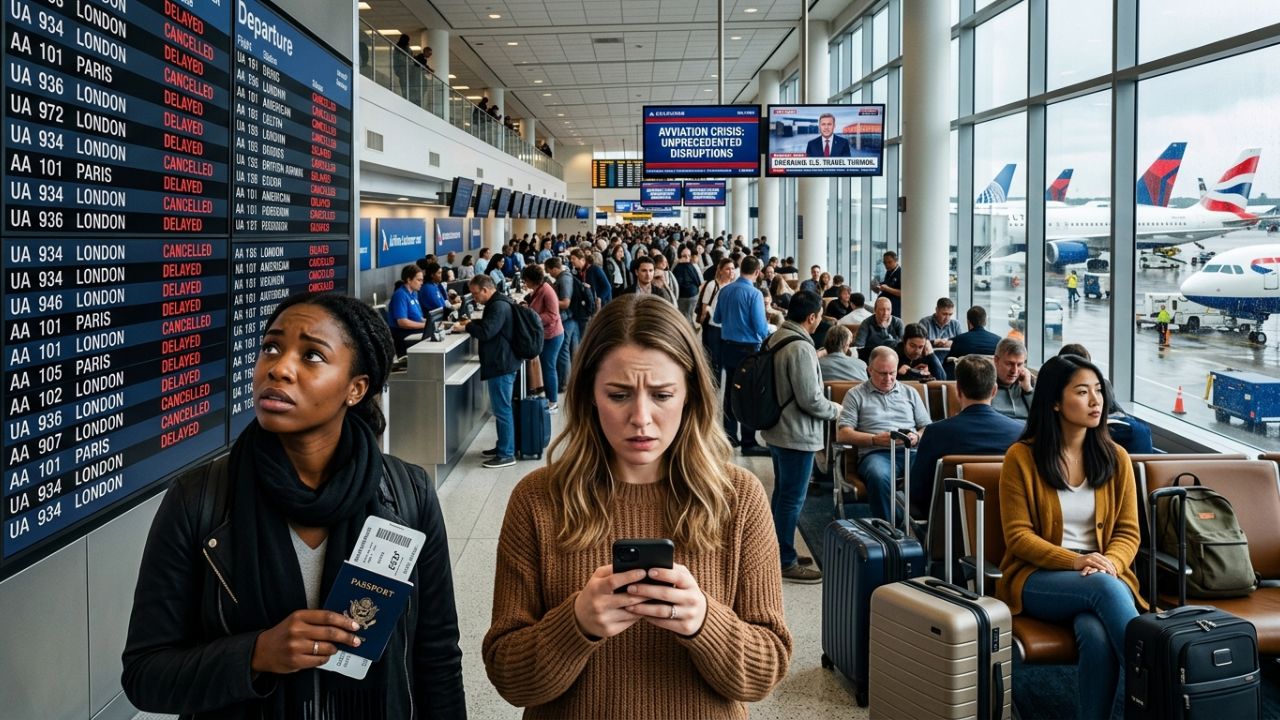
Image representing the intense strategic battle as global aviation authorities desperately attempt to combat severe political friction and bypass paralyzing legal shutdowns at major US international airports.
Breaking Airline News: Severe Travel Chaos Looms as US Government Threatens Massive Customs Shutdown at Major International Airports
As paralyzing political friction, terrifying regulatory uncertainty, and severe operational fragility violently threaten to completely choke the United States' international connectivity, a massive geopolitical crisis has triggered unprecedented panic. In a harrowing display of modern aviation vulnerability, the Trump administration has signaled a terrifying proposal to forcefully withdraw U.S. Customs and Border Protection (CBP) officers from major international airports located within designated "sanctuary cities." Because airports legally cannot process inbound global traffic without these essential federal agents, this aggressive tactical maneuver threatens to instantly execute a massive operational shutdown of the country's most critical transit hubs. By violently entangling essential global mobility with domestic immigration disputes, this terrifying policy threat has completely shattered passenger confidence, ensuring that furious corporate travelers, vital cargo logistics, and global airlines are now directly exposed to the terrifying unreliability and severe stress historically defining extreme travel chaos.
In a brutal display of the ongoing global transit crisis, the sheer logistical nightmare of attempting to navigate international airspace is currently being violently amplified by unprecedented political brinkmanship. For decades, the continuous, highly regulated presence of U.S. customs officers has served as the absolute bedrock of global travel; these agents legally inspect arriving passengers and clear billions of dollars in critical cargo. However, by threatening to aggressively pull these agents from the terminals as a pressure tactic against local jurisdictions, the administration is pushing the aviation grid toward a catastrophic legal freeze. If this threat is executed, international flights physically cannot unload passengers or freight, forcing airlines to violently reroute massive widebody jets to alternate hubs mid-flight or face total grounding. This massive injection of policy uncertainty has forced airport executives and airline leaders into emergency defense protocols, desperately fighting to shield millions of travelers from the agonizing misery of paralyzed transport networks.
Expanded Overview: The Massive Scale of the Transit Contagion
The terrifying crisis of overwhelming passenger stress currently gripping complex global itineraries brutally exposes the severe limitations of flying into unstable regulatory environments. Recognizing that aggressively threatening the absolute core of U.S. economic and tourism activity leads directly to severe psychological friction, aviation authorities are attempting to forcefully decompress the tension. The sheer scale of this proposed disruption is immense. While government spokespeople stress that this remains a proposed tactic rather than a signed mandate, the mere absence of clear policy language has completely destroyed travel planning. International carriers are aggressively reconsidering their expansion plans, and corporate travel managers are violently halting global deployments, realizing that a sudden customs withdrawal would trigger immediate, unrecoverable nationwide travel chaos.
Section-Wise Breakdown: The Operational Realignment
Deploying the Hub Meltdown
To survive the terrifying surge in global travel demand without triggering immediate terminal meltdowns, airlines rely entirely on seamless customs clearance at mega-hubs. This massive political threat specifically targets the most heavily congested lifelines in the nation. Major infrastructural fortresses including Newark Liberty International (EWR), Boston Logan (BOS), and Chicago O’Hare (ORD) are facing severe, immediate consequences. Because these specific airports process thousands of daily international arrivals, aggressively withdrawing customs agents would instantly force cascading delays, massive flight cancellations, and terrifying logistical snarls that would completely paralyze the Northeast and Midwest aviation corridors.
Breaking the Transcontinental Cargo Gridlock
Looking beyond the terrifying impact on passenger terminals, this massive crisis aggressively threatens the physical survival of the global supply chain. Customs officers are legally mandated to clear all inbound international freight. A sudden halt in CBP processing would violently disrupt the delivery of absolutely critical cargo. Manufacturers relying on just-in-time logistics would face immediate production halts as high-value electronics and components are legally blocked on the tarmac. Most terrifyingly, the delay of essential medical equipment and perishable items could trigger severe secondary crises, proving that crippling the airport ecosystem inflicts massive economic damage far beyond the immediate travel sector.
Defending the Passenger Experience
The massive infrastructural shift has triggered fierce pushback from the industry's most powerful alliances. Airlines for America completely condemned the airport shutdown threat, aggressively labeling the tactic as dangerous and entirely impractical. Concurrently, the U.S. Travel Association launched massive warnings that local hotels, restaurants, and tourism infrastructure will face economic devastation if international connectivity is severed. The psychological damage is already done; travel booking platforms are recording terrifying drops in reservations as anxious travelers desperately attempt to survive the uncertainty, freezing their transatlantic and transpacific itineraries until stable entry procedures are guaranteed.
Strategic Airport Shutdown Threat Matrix
To fully comprehend the massive logistical and strategic fallout of this terrifying policy proposal, corporate travel managers and affected tourists must review the exact operational metrics defining the crisis. The following matrix provides a granular breakdown of the specific, officially verified strategic data driving this massive disruption threat.
| Strategic Aviation Metric | Confirmed Threat & Disruption Data |
|---|---|
| Targeted Aviation Infrastructure | U.S. International Airport Hubs in "Sanctuary Cities" |
| Primary Operational Threat | Withdrawal of U.S. Customs and Border Protection Officers |
| Key Airports Explicitly At Risk | Newark Liberty (EWR), Boston Logan (BOS), Chicago O’Hare (ORD) |
| Legal Aviation Consequence | Immediate Ban on Unloading International Passengers & Cargo |
| Industry Groups Condemning Threat | Airlines for America, U.S. Travel Association |
| Severely At-Risk Cargo Sectors | Medical Equipment, Electronics, Perishable Supply Chains |
Passenger Impact: Surviving the Regulatory Freeze
For the millions of global tourists and corporate commuters attempting to navigate the rapidly expanding intercontinental transit corridors, this massive political threat represents a terrifying descent into travel misery. The brutal reality of enduring a 12-hour transpacific flight, only to realize your aircraft is legally forbidden from unloading upon arrival in Chicago because the customs desks are physically abandoned, inflicts intense psychological stress and completely destroys meticulously planned itineraries. By aggressively injecting this massive unpredictability into the system, the government is triggering terrifying anxiety for passengers who fear they will be trapped on the tarmac or violently rerouted to secondary cities without their luggage.
Survival Guide for Transit Travelers
Travelers desperately preparing to navigate the modernized global network must immediately execute the following survival protocols:
- Leverage Dynamic Rebooking Shields: Passengers attempting complex intercontinental jumps into the U.S. must aggressively monitor their airline's mobile app; if a customs withdrawal is officially ordered, airlines will execute massive, immediate flight reroutes to alternate cities, and passengers must secure new onward domestic connections instantly.
- Exploit Premium Travel Insurance: Corporate travelers must relentlessly audit their travel insurance policies; because cancellations triggered by unprecedented regulatory or political threats frequently fall outside standard weather-delay coverage, travelers must ensure they are financially protected against government-induced travel chaos.
- Avoid High-Risk Hubs: Until absolute legal clarity is established, international travelers should aggressively prioritize routing their U.S. entry through airports not currently entangled in sanctuary city political disputes, completely bypassing the massive operational risk hovering over hubs like Newark and Boston.
Industry Analysis: The Economics of Tactical Paralysis
From a strategic aviation perspective, the travel turmoil currently forcing these massive industry emergency meetings highlights the terrifying vulnerability of global infrastructure when exposed to political brinkmanship. Industry analysts confirm that weaponizing airport operations as a political bargaining chip is an incredibly dangerous precedent. Historically, massive government shutdowns affected broad federal budgets, but rarely threatened to sever the core arteries of international mobility. The aggressive threat to weaponize the CBP lowers systemic confidence, providing rival global markets with massive tourism advantages as cautious international visitors aggressively choose destinations offering stable, reliable, and politically insulated entry procedures.
Conclusion: A Strategic Retreat to Ensure Aviation Survival
As the extremely critical global travel season accelerates, the massive proposal of this customs withdrawal represents a terrifying warning to airlines attempting to operate within the United States. The aggressive maneuvering by federal officials proves that maintaining global connectivity requires completely insulating critical airport infrastructure from domestic political warfare. Corporate travel buyers, logistics managers, and everyday passengers attempting to navigate this highly unstable era of airport disruptions must embrace extreme vigilance. By acting aggressively to demand policy clarity and utilizing flexible booking options, travelers can successfully survive the intense regulatory surges and attempt to avoid the paralyzing threat of government-induced travel chaos.
Key Takeaways
- Massive Tactical Threat: The U.S. administration has triggered extreme travel chaos by proposing the withdrawal of U.S. Customs and Border Protection officers from international airports in "sanctuary cities."
- Crushing the Operational Gridlock: Without CBP officers legally present, international flights physically cannot unload passengers or cargo, resulting in an immediate operational shutdown of the affected terminals.
- Strategic Hubs At Risk: Massive intercontinental gateways, explicitly including Newark Liberty (EWR), Boston Logan (BOS), and Chicago O’Hare (ORD), face severe exposure to this devastating policy threat.
- Global Ecosystem Disrupted: Airlines for America and the U.S. Travel Association have completely condemned the tactic, warning of catastrophic damage to tourism revenues and critical cargo supply chains (including medical and perishable goods).
- Traveler Advisory: Passengers holding tickets for inbound U.S. international travel must aggressively monitor federal policy updates and secure highly flexible rebooking options, as this unprecedented political threat could trigger sudden, massive flight cancellations.
Related Travel Guides
Disclaimer
This article is for informational and educational purposes only. It does not constitute legal, financial, or professional advice. While we strive to provide accurate and up-to-date information, travel policies, regulations, and conditions change rapidly. Always verify information with official sources before making travel decisions. Nomad Lawyer makes no representations about the accuracy, reliability, completeness, or suitability of the information provided. Readers should consult qualified professionals for advice specific to their circumstances. The views expressed in this article are those of the author and do not necessarily reflect the views of Nomad Lawyer.
Kunal K Choudhary
Co-Founder & Contributor
A passionate traveller and tech enthusiast. Kunal contributes to the vision and growth of Nomad Lawyer, bringing fresh perspectives and driving the community forward.
Learn more about our team →