
US Tourism Shift Drives Cultural Boom Across Tucson, Chicago, New Orleans, and Philadelphia
American destinations from Tucson to New Orleans are restructuring tourism strategies around neighborhood culture, heritage foodways, and hyper-local community tours.

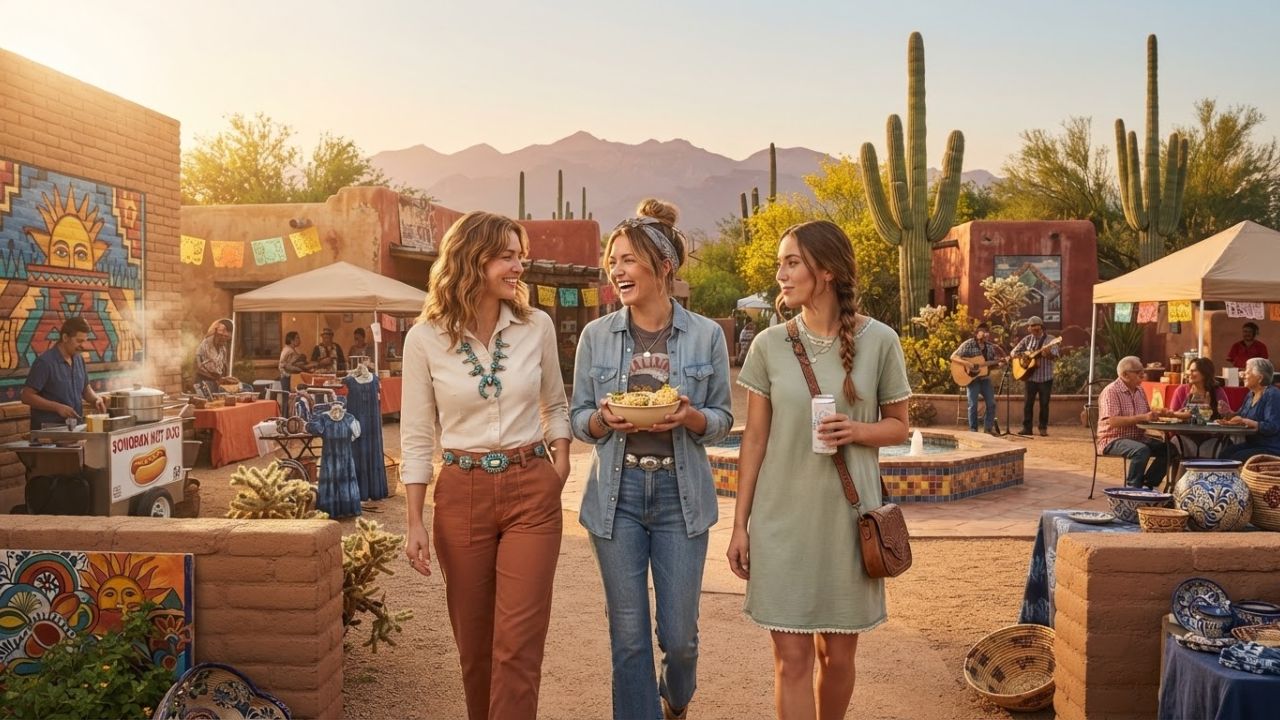
Image generated by AI
A structural shift in United States leisure travel is redirecting visitor spending away from traditional downtown attraction hubs and into neighborhood culture, heritage foodways, and community-led tourism circuits.
[TUCSON, Ariz.] — Travel industry analysis across major American destinations confirms a nationwide pivot toward neighborhood-centric tourism, as visitors prioritize authentic culinary heritage, local music traditions, and hyper-local community exploration. Municipal tourism boards in Tucson, Chicago, New Orleans, Detroit, Philadelphia, and Puerto Rico are restructuring destination marketing strategies around local business corridors, ethnic foodways, and cultural heritage sites. By channeling visitor footfall beyond central business districts, destination managers are expanding local economic benefits while offering long-haul travelers deeper destination immersion.
Tucson Gastronomy and Indigenous Foodways Strategy
Tucson, Arizona, serves as a primary blueprint for food-driven cultural tourism in North America.
Designated in 2015 as the first UNESCO Creative City of Gastronomy in the United States, Tucson's tourism sector centers on over 4,000 years of agricultural history. The city's culinary narrative incorporates native Desert Southwest ingredients—including tepary beans, native chiles, squash, and heirloom corn—reflecting historical farming traditions of the Tohono O'odham Nation alongside Sonoran Mexican culinary heritage.
Local food tours, artisanal markets, and farm-to-table dining initiatives encourage visitors to explore Southern Arizona’s agricultural routes, extending average visitor stay durations beyond standard short-break stays.
Chicago Neighborhood Tourism and Community Commercial Corridors
In Illinois, Chicago’s destination marketing strategy focuses heavily on spreading visitor expenditure across outer residential and cultural neighborhoods.
Humboldt Park showcases a strong Puerto Rican identity, featuring public art murals, community cultural centers, and family-owned dining establishments. In Little Village (La Villita), the commercial 26th Street corridor features Mexican retail shops, bakeries, and independent restaurants. Additionally, the Chatham neighborhood highlights African American historical architecture, Black-owned culinary businesses, and creative arts venues.
Dispersing tourism traffic into residential corridors supports small business retention while offering travelers diverse cultural itineraries beyond the Loop and Downtown museum campus.
New Orleans Heritage Circuits and Music Preservation
New Orleans, Louisiana, continues to leverage its historic neighborhood identity to drive high-value cultural tourism.
The Tremé neighborhood—recognized as the oldest African American neighborhood in the United States—anchors cultural itineraries through Congo Square, Armstrong Park, local brass band venues, and the living heritage of Mardi Gras Indians. Along Bayou Road, a growing commercial district showcases Black-owned retail and culinary enterprises.
Food tourism across New Orleans highlights multicultural influences, blending Creole, Cajun, African, and Vietnamese culinary traditions across neighborhoods like Marigny and Bywater.
Detroit Music Heritage and Philadelphia’s 2026 Neighborhood Tours
In Michigan, Detroit is converting its global musical legacy into structured visitor itineraries. Beyond the historic Motown movement, the city highlights its contributions to gospel, jazz, soul, R&B, hip-hop, and techno through venue tours, live music festivals, and Black-owned enterprise networks, anchored by major annual events like the African World Festival.
In Pennsylvania, Philadelphia is launching a structured 2026 tourism initiative featuring 20 hyper-local tours designed with neighborhood community partners.
The program guides travelers beyond Independence Hall to areas like Bella Vista—home to the historic Italian Market alongside Cambodian, Filipino, and Vietnamese dining—and Fairhill’s Centro de Oro, which showcases Latin American culinary traditions, Puerto Rican art, and folkloric dance.
Puerto Rico Sustainable Culture and Community Travel Models
Puerto Rico offers a model for connecting cultural heritage with responsible Caribbean travel.
Island tourism initiatives focus on culinary trails across San Juan and Old San Juan, live salsa and bomba performance venues, and inland excursions to coffee haciendas and cacao farms. Puerto Rican gastronomy integrates Taíno, African, and Spanish culinary traditions through dishes like mofongo, lechón, and arroz con gandules.
Directing travel spending toward locally owned accommodations, guides, and agricultural producers ensures tourism revenues remain within island communities.
Comparative Benchmark of US Cultural Tourism Destinations
The table below details the cultural focus, key neighborhoods, unique designations, and primary visitor experiences across six featured US destination models.
| Destination | Primary Cultural Pillar | Featured Neighborhoods & Corridors | Key Designation / Benchmark |
|---|---|---|---|
| Tucson, Arizona | Culinary History & Native Foodways | Tohono O'odham & Sonoran Districts | 1st US UNESCO City of Gastronomy (2015) |
| Chicago, Illinois | Ethnic Neighborhood Diversity | Humboldt Park, Little Village, Chatham | 26th Street Mexican Commercial Corridor |
| New Orleans, Louisiana | Jazz, Brass & African American Heritage | Tremé, Bayou Road, Marigny, Bywater | Tremé: Oldest US African American Quarter |
| Detroit, Michigan | Music Legacy & Creative Enterprise | Motown District & Cultural Corridors | African World Festival & Living Music Trails |
| Philadelphia, Pennsylvania | Hyper-Local Community Tours | Bella Vista, Fairhill (Centro de Oro) | 20 Hyper-Local Tours Program (2026) |
| Puerto Rico | Taíno, African & Spanish Heritage | Old San Juan, Inland Coffee & Cacao Trails | Mofongo & Bomba Cultural Heritage Trails |
Economic Analysis of Neighborhood-Based Tourism Expansion
Shifting tourism demand toward neighborhood business corridors alters economic distribution patterns across municipal travel sectors.
Directing visitor footfall into residential commercial corridors generates revenue for independent restaurants, family-owned retail shops, and local tour operators. This model prevents tourism revenue leakage common to centralized hotel and retail districts, retaining dollars directly within local tax bases.
Furthermore, neighborhood cultural travel reduces over-tourism congestion at major downtown landmarks, creating a more sustainable travel framework for urban residents.
Why This Matters for Travelers, Destination Managers, and Businesses
Synthesizing the US neighborhood tourism movement highlights key practical implications for vacationers and municipal planners:
- For International & Domestic Travelers: Travelers gain deeper, more authentic travel experiences. Visiting neighborhoods like Chicago's Humboldt Park or Philadelphia's Bella Vista delivers unique culinary and cultural encounters that standard downtown itineraries miss.
- For Small Business Owners & Communities: Spreading tourism footfall outside downtown cores delivers direct economic benefits to neighborhood restaurants, markets, and arts venues, supporting local employment and community preservation.
- For Destination Marketing Organizations: Promoting hyper-local culture—such as Tucson's UNESCO gastronomy or Philadelphia's 20 neighborhood tours—creates distinct marketing identity, driving repeat visits and extending average length of stay.
Related Travel Guides
Disclaimer
This article is for informational and educational purposes only. It does not constitute legal, financial, or professional advice. While we strive to provide accurate and up-to-date information, travel policies, regulations, and conditions change rapidly. Always verify information with official sources before making travel decisions. Nomad Lawyer makes no representations about the accuracy, reliability, completeness, or suitability of the information provided. Readers should consult qualified professionals for advice specific to their circumstances. The views expressed in this article are those of the author and do not necessarily reflect the views of Nomad Lawyer.
Raushan Kumar
Founder & Lead Developer
Full-stack developer with 11+ years of experience and a passionate traveller. Raushan built Nomad Lawyer from the ground up with a vision to create the best travel and law experience on the web.
Learn more about our team →