
US Cities Expand Heritage Tourism: Atlantic City Integrates Fannie Lou Hamer Civil Rights History in 2026
Atlantic City and several major US hubs are transforming civil rights landmarks into structured tourism experiences, featuring the new Fannie Lou Hamer Digital Driving Tour.
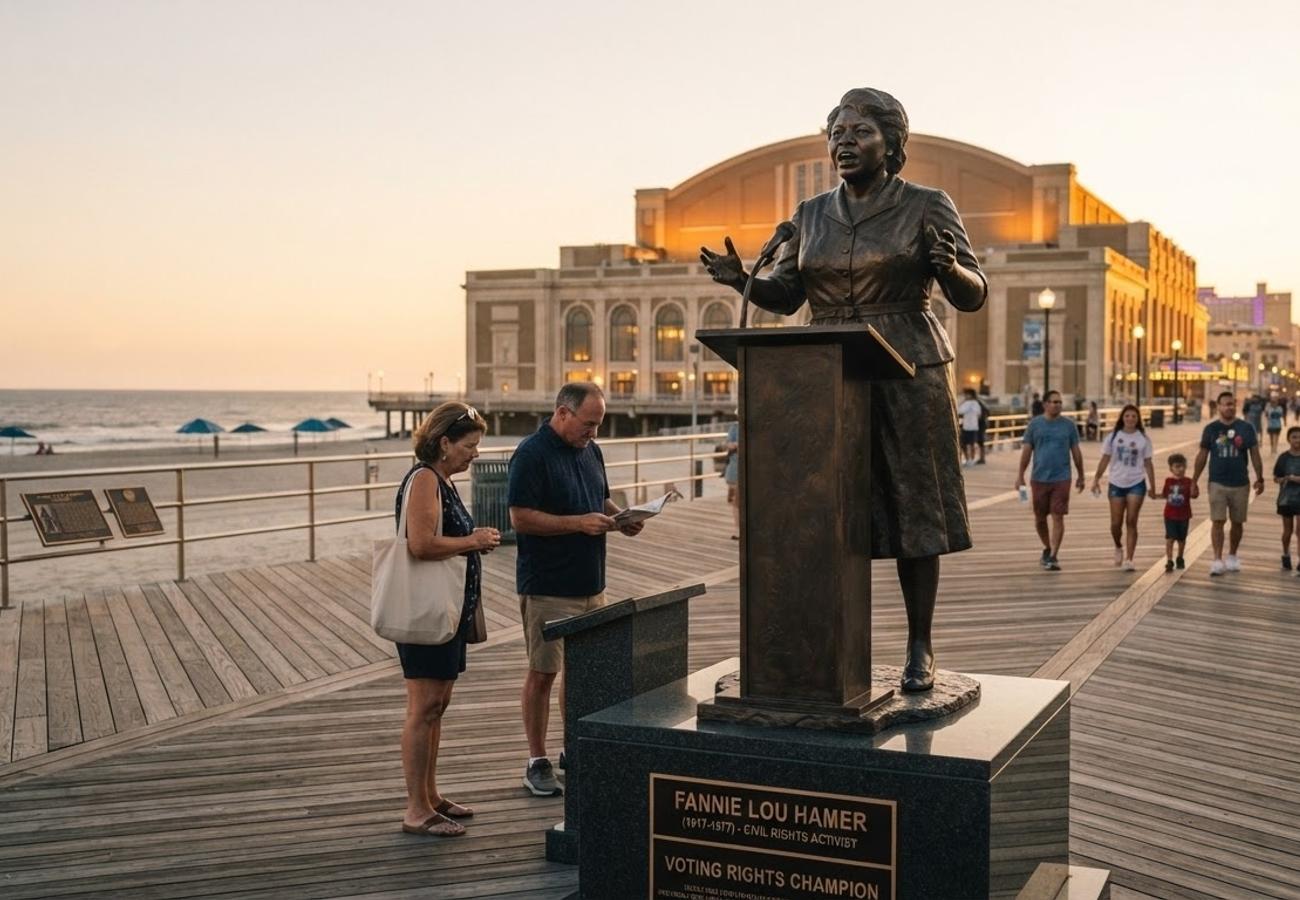
Image generated by AI
US cities are pivoting toward heritage tourism by integrating civil rights landmarks into mainstream travel itineraries. This shift allows visitors to access hidden historical narratives through digital storytelling and physical memorials.
Expansion of Civil Rights Heritage Tourism
Across the United States, urban centers are leveraging museums, walking routes, and digital archives to transform civil rights history into structured visitor experiences. This strategic move integrates educational narratives into the visitor economy, diversifying the appeal of cities traditionally known for leisure or commerce.
Destinations including Birmingham, Montgomery, Selma, Chicago, and Little Rock are utilizing memorials and historic routes to bring the American civil rights movement to the forefront of their tourism offerings.
Atlantic City: The Fannie Lou Hamer Initiative
Atlantic City, New Jersey, is diversifying its identity beyond the Boardwalk and casino industry by highlighting its connection to activist Fannie Lou Hamer. On August 21, Visit Atlantic City released an eight-minute production as part of the Fannie Lou Hamer Digital Driving Tour.
The project focuses on Hamer’s August 22, 1964, testimony at the Democratic National Convention, held at the Jim Whelan Boardwalk Hall. Her appearance before the Credentials Committee, representing the Mississippi Freedom Democratic Party, served as a pivotal challenge to voter suppression and racial violence.
Key Physical and Digital Landmarks in Atlantic City
For travelers visiting the city, the following sites provide a physical connection to this history:
- Jim Whelan Boardwalk Hall: Site of the 1964 testimony and home to a statue of Fannie Lou Hamer.
- Stockton University: Features the Fannie Lou Hamer Event Room.
- The Boardwalk: Two dedicated historical markers tracing Hamer's legacy.
- Civil Rights Memorial Garden: A dedicated space for reflection and history.
- African American Heritage Museum: Provides broader context on the city's Black history.
The Digital Driving Tour Framework
The Fannie Lou Hamer Digital Driving Tour is an online resource covering 12 specific locations associated with Hamer’s activism. The Atlantic City segment marks the first stop on the tour located outside of Mississippi.
Our analysis of the tour's expansion indicates a growing trend in "distributed heritage," where a single historical figure's legacy is used to link multiple geographic hubs. Future expansions are planned for Chicago, further broadening the tour's national reach.
US Civil Rights Tourism Hubs: Comparative Analysis
The following table outlines the key heritage connections currently driving tourism in major US cities:
| US City | State | Key Heritage Connection | Primary Tourism Opportunity |
|---|---|---|---|
| Atlantic City | New Jersey | Fannie Lou Hamer / 1964 DNC | Heritage & Leisure Integration |
| Chicago | Illinois | Fannie Lou Hamer Walkway (Obama Presidential Center) | Presidential & African American History |
| Birmingham | Alabama | 16th Street Baptist Church, Kelly Ingram Park | National Monument Tourism |
| Montgomery | Alabama | Legacy Museum, National Memorial for Peace and Justice | Cultural & Black History Tourism |
| Selma | Alabama | Edmund Pettus Bridge, Selma Interpretive Center | Voting Rights Walking Tours |
Passenger Advisory: Navigating Heritage Tourism
For the modern traveler, heritage tourism often involves navigating a mix of public monuments, private museums, and digital guides. To maximize these experiences, we suggest the following:
- Digital Integration: For the Fannie Lou Hamer tour, visitors should access the official "Fannie Lou Hamer’s America" website before arrival to sync the Digital Driving Tour with their GPS.
- Site Accessibility: Many of these sites, such as the Edmund Pettus Bridge in Selma or the Boardwalk markers in Atlantic City, are open-air and public. Travelers should plan for weather-appropriate attire and walking shoes.
- Combined Itineraries: In Atlantic City, the heritage sites are integrated into the leisure district. Travelers can combine visits to the African American Heritage Museum with traditional Boardwalk activities to experience the city's dual identity.
Industry Analyst View
The integration of civil rights history into the tourism sector represents a shift toward "authentic travel." By moving beyond surface-level attractions, cities are creating higher-value experiences that attract a more diverse, education-focused demographic.
The Atlantic City model is particularly noteworthy because it does not replace the existing leisure infrastructure but adds a layer of cultural depth. This approach allows a destination to maintain its primary revenue streams (casinos and beaches) while building a sustainable, ethical tourism brand.
Transforming historical trauma into educational tourism requires a delicate balance of preservation and promotion.
Related Travel Guides
Disclaimer
This article is for informational and educational purposes only. It does not constitute legal, financial, or professional advice. While we strive to provide accurate and up-to-date information, travel policies, regulations, and conditions change rapidly. Always verify information with official sources before making travel decisions. Nomad Lawyer makes no representations about the accuracy, reliability, completeness, or suitability of the information provided. Readers should consult qualified professionals for advice specific to their circumstances. The views expressed in this article are those of the author and do not necessarily reflect the views of Nomad Lawyer.