
Kenya Health Alert: US CDC Issues Dengue Fever Warning for Tourists
The US CDC issues a travel health warning for Kenya due to rising cases of dengue fever in coastal resorts, cities, and game parks.
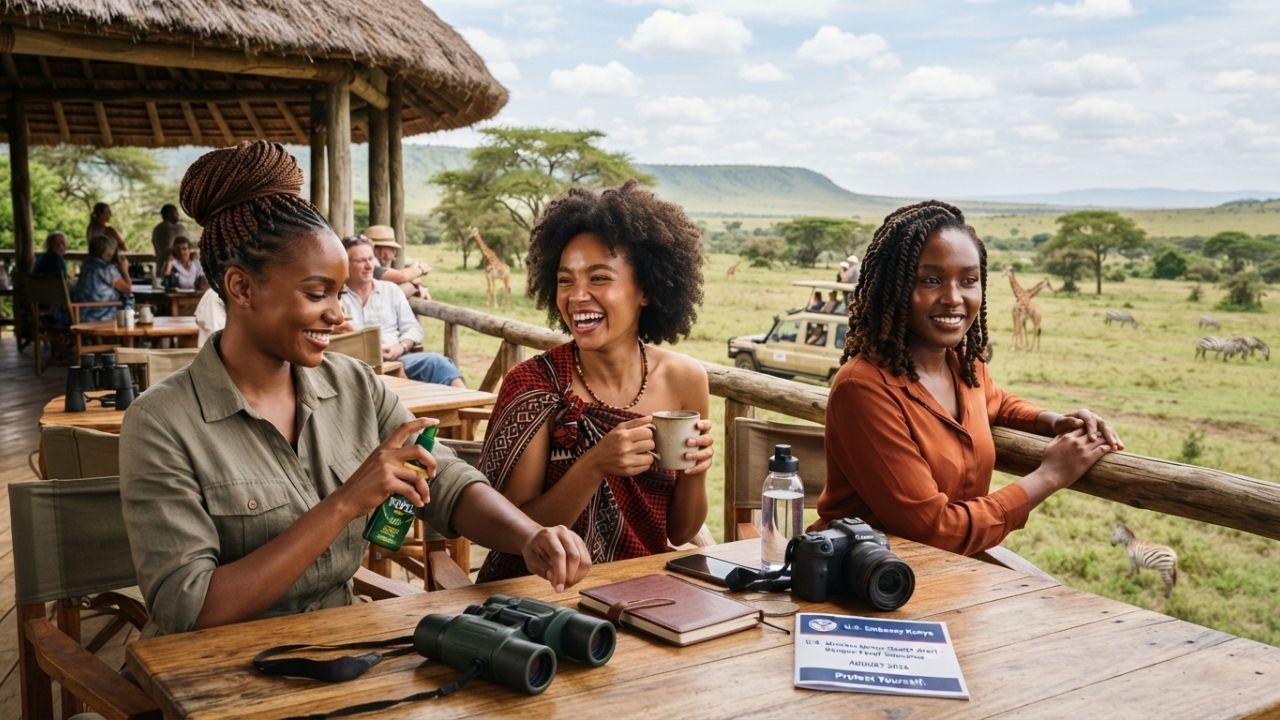
Image generated by AI
When the United States Centers for Disease Control and Prevention issued a fresh travel health alert for Kenya on August 6, 2026, it highlighted the growing need for daytime mosquito protection during East African safaris and coastal holidays. Driven by rising dengue fever cases in Mombasa, Nairobi, and national game reserves, the warning advises international visitors to coordinate insect-protection measures without canceling their itineraries.
The Local Trend Revealed: Eco-Health Integration in Safari Planning
The international adventure travel market is experiencing a significant shift where health security and disease prevention are integrated directly into eco-safari and coastal holiday planning. As rising temperatures and changing weather patterns expand Aedes mosquito breeding conditions across East Africa, travelers must adapt their daily routines to protect themselves. The CDC's new travel health watch for Kenya represents this trend, focusing on daytime safety precautions for visitors exploring wildlife reserves and coastal beaches.
Aedes mosquitoes are highly adapted to human environments, often breeding in small containers of water near buildings. In coastal resorts and urban areas, stagnant water in flower pots, gutters, or storage buckets can support huge mosquito populations during warm summer months. This localized breeding pattern explains why health warnings target both remote wilderness game parks and coastal urban centers, requiring travelers to maintain high vigilance across different settings.
Unlike many nocturnal mosquito species, the Aedes mosquitoes that transmit the dengue virus are primarily active during daylight hours. This diurnal feeding habit makes continuous protection critical during typical tourist activities:
- Early morning and late afternoon game drives in national parks.
- Daytime walking safaris and cultural tours with local communities.
- Beach excursions and watersports along the Indian Ocean coast.
- Urban transit and sightseeing in major centers like Mombasa and Nairobi.
- Stays in luxury safari lodges and coastal resorts situated near humid, vegetated areas.
Environmental Protection and Community Support in Kenya's Tourism Corridor
For the visitor, the real impact of these health guidelines is the opportunity to support eco-friendly vector control and sustainable community tourism. Many high-end safari camps and eco-lodges are implementing non-toxic mosquito controls, such as biological larvicides in standing water and natural insect-repelling plantings around guest tents. By choosing certified eco-lodges, travelers support these conservation efforts and help minimize the chemical footprint of tourism on local water tables.
Kenya's tourism development authorities are also actively working to integrate health safety training into their tour operator certification programs. By educating local safari guides and hotel staff on mosquito prevention, symptom identification, and emergency response, the country ensures that international guests receive reliable support. This proactive coordination helps build visitor confidence and protects the long-term viability of the tourism corridor.
Tourism remains a vital source of income for rural Kenyan communities, particularly those bordering protected wildlife reserves. Travelers can directly support local livelihoods by hiring certified indigenous guides, participating in community-led conservation walks, and purchasing traditional beadwork and woodcarvings directly from women's cooperatives. This targeted support helps maintain stable incomes for rural families, reinforcing the value of wildlife conservation and sustainable land management near park boundaries.
Parks Canada equivalents, such as the Kenya Wildlife Service (KWS), coordinate with regional public health departments to monitor mosquito breeding patterns near tourist campsites. In wet areas, like the river basins of the Tana and Athi rivers, rangers and field scientists track vector populations to anticipate outbreaks. By maintaining check records and notifying lodges of localized risks, the KWS helps protect international visitors while ensuring that conservation staff can operate safely in remote areas.
Dengue Symptoms and Pre-Travel Health Measures
Dengue fever is a viral infection that can cause symptoms ranging from mild discomfort to severe medical complications. The Kenya Ministry of Health highlights that early detection is critical, especially since initial symptoms can resemble other tropical illnesses. Common signs include a high fever, severe headaches, pain behind the eyes, joint and muscle pain, skin rashes, and general fatigue. Severe cases can lead to internal bleeding and circulatory issues, requiring immediate medical care.
Travelers returning from Kenya who experience feverish symptoms within two weeks of their trip should consult a healthcare provider and share their travel history. To prevent infections, the CDC recommends carrying repellents containing DEET or picaridin, wearing long-sleeved earth-toned clothing that covers skin, and selecting accommodations with air conditioning or screened windows.
Kenya Safari Guide: Mosquito Safety and Cultural Etiquette
For travelers planning a safari or coastal holiday in Kenya, the Kenya Tourism Board and regional health specialists suggest the following tips:
- Optimal Booking Windows: Schedule your safari during the dry seasons from June to October or January to February, when wildlife gathers around water sources and mosquito populations are lower.
- Daytime Repellent Application: Apply approved insect repellent every four to five hours during daylight hours, especially when embarking on morning game drives or coastal walks.
- Safari Clothing Etiquette: Wear long-sleeved shirts and trousers in neutral earth tones (khaki, olive, brown) to protect against bites. Avoid dark blue and black clothing, which can attract tsetse flies.
- Sample Regional Cuisine: Support local dining spots. Sample Swahili coconut fish curry (samaki wa kupaka) along the coast, try traditional ugali (cornmeal starch) with sukuma wiki (collard greens), or enjoy fresh Kenyan tea.
- Support Community Conservancies: Choose safari itineraries that visit community-owned conservancies bordering the Maasai Mara or Amboseli, ensuring park fees directly benefit local land owners.
- The East African Savannah: The East African savannah, stretching across southern Kenya and northern Tanzania, is historic for hosting the Great Migration, where millions of wildebeest and zebras traverse the grasslands in search of fresh pasture. Characterized by its vast plains, acacia woodlands, and seasonal river basins, this ecosystem supports an unparalleled density of large mammals. Visitors must respect park guidelines, keep safe distances from wildlife, and stay informed about seasonal weather patterns that impact insect activity.
- Mombasa Swahili Heritage: Mombasa and the surrounding coastal strip are also historic for their unique Swahili culture, which represents a blend of African, Arabic, Persian, and Indian influences. For centuries, this coast served as a major trading hub along the Indian Ocean network, exporting spices, textiles, and ivory. Visitors to the region can explore the narrow alleys of Mombasa Old Town, visit the UNESCO-listed Fort Jesus built by the Portuguese in 1593, and experience Swahili hospitality. The warm Swahili language (Kiswahili) and cultural traditions remain central to the region's tourism appeal.
- Under-the-Radar Quiet Zones: Seek out the nature libraries and wildlife viewing hides located in eco-lodges, which offer a quiet space for bird-watching away from the main lounge areas.
- Off-Peak Road Travel: To ensure safety, coordinate road transfers between parks during early morning hours, avoiding night driving on unlit regional highways where wildlife and pedestrian traffic are common.
Long-Term Outlook for Kenya's Eco-Tourism Resilience
The new US travel health alert for Kenya highlights the growing importance of health preparedness in global tourism. By showing that popular safari destinations can manage seasonal vector risks through community education and sustainable lodge management, the country is building a resilient visitor economy.
Over the coming decade, continued investments in rural healthcare, digital disease tracking, and climate-resilient water systems will shape the East African travel market. As environmental challenges continue to expand, resort operators and conservation bodies must coordinate resource management. By maintaining high health standards, supporting local communities, and promoting responsible travel habits, Kenya aims to protect its natural heritage and preserve its position as a leading global safari destination.
Disclaimer
This article is for informational and educational purposes only. It does not constitute legal, financial, or professional advice. While we strive to provide accurate and up-to-date information, travel policies, regulations, and conditions change rapidly. Always verify information with official sources before making travel decisions. Nomad Lawyer makes no representations about the accuracy, reliability, completeness, or suitability of the information provided. Readers should consult qualified professionals for advice specific to their circumstances. The views expressed in this article are those of the author and do not necessarily reflect the views of Nomad Lawyer.