
US Air Travel Prepares for Record Spring Tourism Surge as Air Traffic Controllers Mobilize

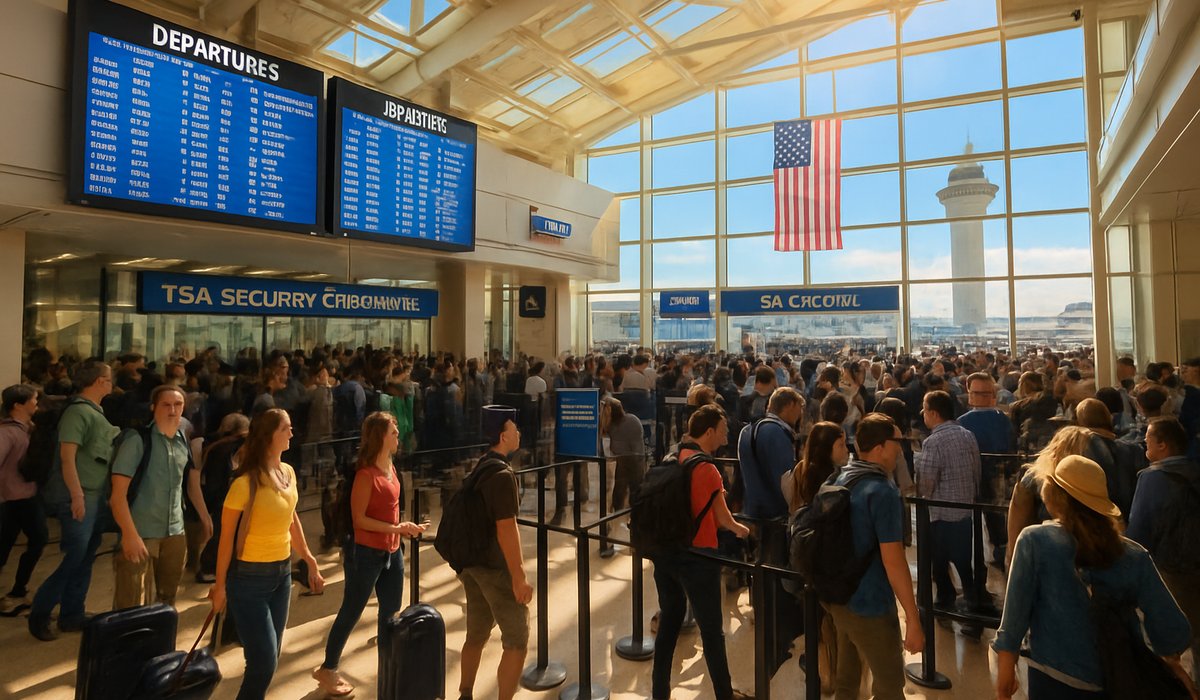
Image generated with AI
Quick Summary
- The United States is entering what is projected to be a record-breaking 2026 spring travel season
- The National Air Traffic Controllers Association (NATCA) affirms that its workforce is fully staffed and mobilized to handle traffic surges
- Travelers should expect longer security lines, highly congested major hubs, and maximum flight load factors
- The FAA and ATC are utilizing advanced scheduling and real-time coordination to prioritize safety over schedule adherence
- Planning ahead and maintaining flexibility will be crucial for passengers attempting to navigate the busy domestic network
The United States is entering what aviation analysts project to be one of the busiest spring travel periods on record. Driven by major spring holidays, warming weather, and sustained post-pandemic consumer travel demand, millions of Americans are preparing to take to the skies simultaneously.
With this massive surge in passenger volume comes the inevitable strain on the nation's aviation infrastructure. However, according to the latest updates from aviation authorities, the system is bracing for the impact with a renewed focus on coordination, staffing, and absolute safety.
Air Traffic Controllers Mobilize for the Surge
At the very heart of the upcoming travel season are the professionals responsible for maintaining order in the sky. The National Air Traffic Controllers Association (NATCA), the union representing thousands of aviation professionals, has issued a public update confirming its readiness.
According to NATCA, air traffic control towers across the country are fully staffed, highly trained, and prepared to actively manage the exponential increase in flight volume. Maintaining safe distances between aircraft—from the moment a plane pushes back from the gate until it lands securely at its destination—is an immensely complex task that becomes exponentially harder during peak seasonal pushes.
The collaboration between NATCA personnel and the Federal Aviation Administration (FAA) serves as the crucial fail-safe for the national airspace. They are deploying advanced scheduling protocols, real-time communication networks, and dynamic traffic flow tools to ensure that airspace sectors do not become overwhelmed.
What a "Record Breaking" Season Means for Travelers
While airlines are thrilled by the prospect of fully booked flights, passengers need to adjust their expectations regarding the reality of navigating crowded mega-hubs.
The immediate side-effects of a record-breaking travel push include:
- Maximum Aircraft Utilization: Airlines are adding flight frequencies, meaning planes will be flying at near-maximum capacity. Standby lists will be exceptionally difficult to clear if a flight is missed.
- Airport Congestion: From the parking garages to the TSA checkpoint lines, everything will move slower due to sheer human volume.
- Vulnerability to Weather Downs: When the system is operating at maximum capacity, there is very little buffer room. A localized severe spring thunderstorm over a hub like Dallas or Atlanta can instantly create cascading delays nationwide.
Learning from the Disruptions of the Past
The intense focus on preparedness entering the spring 2026 season is largely a reaction to painful operational failures observed in recent years. Previous holiday seasons have been marred by systemic breakdowns caused by staffing shortages—both within airline crews and air traffic control towers—leading to thousands of canceled flights and agonizing traveler experiences.
Today's operational blueprint is heavily influenced by those lessons. The FAA and airlines actively coordinate to implement "Ground Delay Programs" precisely when needed—sacrificing schedule punctuality in favor of preventing system-wide gridlock and maintaining rigorous safety standards.
Strategic Advice for Spring Travelers
While the aviation system is braced and ready, individual travelers must also take proactive steps to protect their itineraries:
- Build Large Buffers: Arrive at major hubs a minimum of two hours early for domestic departures, and three hours for international flights. Security lines will bottleneck.
- Download Carrier Apps: Rely on your airline's official mobile app for real-time gate changes and delay notifications rather than waiting on hold for customer service.
- Book Early Flights: Statistically, early morning departures are the least likely to be affected by cascading delays or afternoon spring thunderstorms.
- Maintain Flexibility: Recognize that while safety is guaranteed, punctuality is not. Have backup plans for ground transportation and accommodations.
The 2026 spring travel season proves that the American appetite for exploration remains intensely strong. For passengers willing to navigate the crowds with patience and preparation, the skies are wide open.
Source: Travel And Tour World
Related Travel Guides
The 10 Busiest US Airports: How to Survive a Layover in 2026
TSA PreCheck vs. CLEAR: Which Is Worth It for Spring Travel?
Disclaimer
This article is for informational and educational purposes only. It does not constitute legal, financial, or professional advice. While we strive to provide accurate and up-to-date information, travel policies, regulations, and conditions change rapidly. Always verify information with official sources before making travel decisions. Nomad Lawyer makes no representations about the accuracy, reliability, completeness, or suitability of the information provided. Readers should consult qualified professionals for advice specific to their circumstances. The views expressed in this article are those of the author and do not necessarily reflect the views of Nomad Lawyer.
Kunal K Choudhary
Co-Founder & Contributor
A passionate traveller and tech enthusiast. Kunal contributes to the vision and growth of Nomad Lawyer, bringing fresh perspectives and driving the community forward.
Learn more about our team →