
Western Airlines Expand Routes as Gulf Carriers Face Chaos: 15% Global Air Traffic Disruption Strands Thousands Across Dubai, Doha, Paris, Frankfurt
Middle East airspace restrictions trigger unprecedented aviation shift. Western carriers expand capacity as Emirates, Qatar Airways, Etihad face operational chaos. 15% global air traffic rerouted.

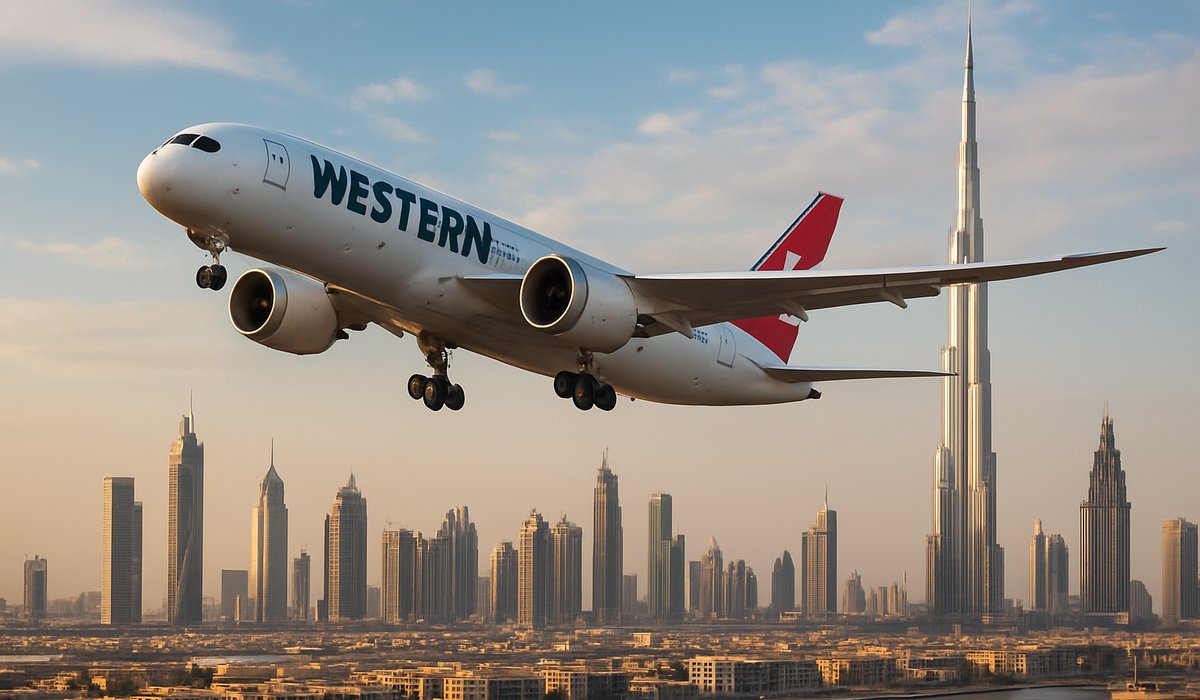
Image generated by AI
The global aviation landscape is experiencing a seismic shift as Middle East airspace restrictions have triggered unprecedented operational chaos for Gulf carriers, forcing approximately 15% of global air traffic to be rerouted through alternative corridors. Airlines from France, Germany, the United Kingdom, the United States, and the Netherlands are rapidly expanding flight capacity and introducing new direct routes between Europe and Asia, capitalizing on the disruption that has crippled traditional transit hubs in Dubai, Doha, and Abu Dhabi. Thousands of passengers face extended travel times, higher ticket prices, and missed connections as the aviation industry scrambles to adapt to a conflict-driven redistribution of global passenger flows that shows no signs of abating.
The operational crisis centers on airspace closures across Iran, Iraq, and neighboring regions, forcing major carriers including Emirates, Qatar Airways, Etihad Airways, and Gulf Air to cancel flights, reroute aircraft, and absorb staggering fuel cost increases. According to verified aviation reports, up to 64% of route disruptions are affecting some carriers operating through the Middle East, while approximately 33% of Europe-Asia traffic traditionally flowed through Gulf hubs before the crisis. The impact has been immediate and severe: passengers are experiencing delays exceeding 12 hours, cancellations without adequate rebooking options, and ticket prices that have doubled or tripled on alternative routes. Major airports in Dubai and Doha, which once served as seamless connection points for intercontinental travel, are now operating at severely reduced capacity, creating bottlenecks that ripple across the entire global aviation network.
Western carriers are seizing the opportunity to strengthen their market position. Lufthansa and other major European operators have adjusted schedules and deployed additional aircraft to high-demand Europe-Asia corridors, while airports in Paris, Frankfurt, London, and Amsterdam are handling unprecedented volumes of transit traffic. The European Union Aviation Safety Agency (EASA) has issued formal advisories regarding flights over conflict-affected regions, and the International Air Transport Association (IATA) has acknowledged the complexity of measuring the full impact on global aviation. Government aviation authorities across Western nations are coordinating airspace management and issuing real-time safety directives to maintain operational stability, effectively creating a parallel aviation infrastructure that bypasses the Middle East entirely. This coordination has allowed Western airlines to fill the gap left by Gulf carriers, though at the cost of significantly longer flight paths that increase fuel consumption by up to 200 percent on some routes.
The human cost of this aviation shift is substantial. Passengers avoiding Middle East transit routes are experiencing fuel costs up to 2 times higher, translating directly into elevated ticket prices across Europe-Asia corridors. Business travelers face extended journey times due to longer routing, while leisure passengers are reconsidering travel plans altogether due to uncertainty and cost concerns. Tourism flows are being redirected away from traditional Gulf hub connections, with passenger traffic increasingly concentrated at European gateways. Airlines are adjusting pricing strategies and reducing capacity on less profitable routes to manage the displaced demand, creating a cascading effect throughout the global travel industry. Safety concerns and uncertainty around travel routes through conflict zones have further eroded passenger confidence, forcing carriers to implement aggressive rebooking protocols and offer compensation packages to manage customer dissatisfaction.
The long-term implications of this aviation shift remain uncertain and depend heavily on the duration of Middle East conflict and airspace restrictions. While Western carriers are gaining short-term competitive advantages through expanded capacity and new routes, the fundamental restructuring of global aviation connectivity suggests that the industry may not return to pre-conflict patterns even after regional stability is restored. European hubs including Paris Charles de Gaulle, Frankfurt am Main, London Heathrow, and Amsterdam Airport Schiphol are investing in infrastructure upgrades to handle sustained increases in transit traffic. Meanwhile, Gulf airlines face mounting pressure to demonstrate operational reliability and passenger safety as they navigate reduced connectivity and increased operational costs. The aviation industry is effectively experiencing a geopolitical realignment that mirrors broader shifts in global trade and travel patterns, with profound implications for airport operations, airline profitability, and passenger experience across all major international routes.
What Travelers Should Do Now
If you have upcoming flights connecting through Middle Eastern hubs or traveling on Gulf carriers, contact your airline immediately to confirm routing and schedule changes. Consider booking alternative flights through European carriers and hubs when possible, though be prepared for significantly higher fares. Check the IATA travel advisories and EASA safety directives before booking any flights through affected regions. Allow additional buffer time for connections, as rerouted flights are experiencing extended travel times. Monitor your airline's official website and contact channels for real-time updates on cancellations and schedule modifications. Travel insurance that covers flight disruptions and cancellations is strongly recommended for any international bookings during this period of aviation instability.
Related Travel Guides
- Global Music Tourism Explodes: United States Anchors the Colossal Stagecoach 2026 Festival
- Minneapolis Powderhorn Art Fair 2026: 35th Anniversary Brings 200+ Artists to Minnesota's Premier Free Outdoor Cultural Celebration
- UK Canada and Germany Issue Urgent Travel Advisories for France and Spain Amid 2026 Wildfire Crisis
Disclaimer
This article is for informational and educational purposes only. It does not constitute legal, financial, or professional advice. While we strive to provide accurate and up-to-date information, travel policies, regulations, and conditions change rapidly. Always verify information with official sources before making travel decisions. Nomad Lawyer makes no representations about the accuracy, reliability, completeness, or suitability of the information provided. Readers should consult qualified professionals for advice specific to their circumstances. The views expressed in this article are those of the author and do not necessarily reflect the views of Nomad Lawyer.
Raushan Kumar
Founder & Lead Developer
Full-stack developer with 11+ years of experience and a passionate traveller. Raushan built Nomad Lawyer from the ground up with a vision to create the best travel and law experience on the web.
Learn more about our team →