
US 2026 FIFA World Cup Tourism Crisis: Visa Barriers and High Costs Drive International Visitor Decline
High ticket prices and stringent US visa restrictions led to severe underperformance in 2026 FIFA World Cup host cities, with 80% of hotels reporting bookings below forecasts.

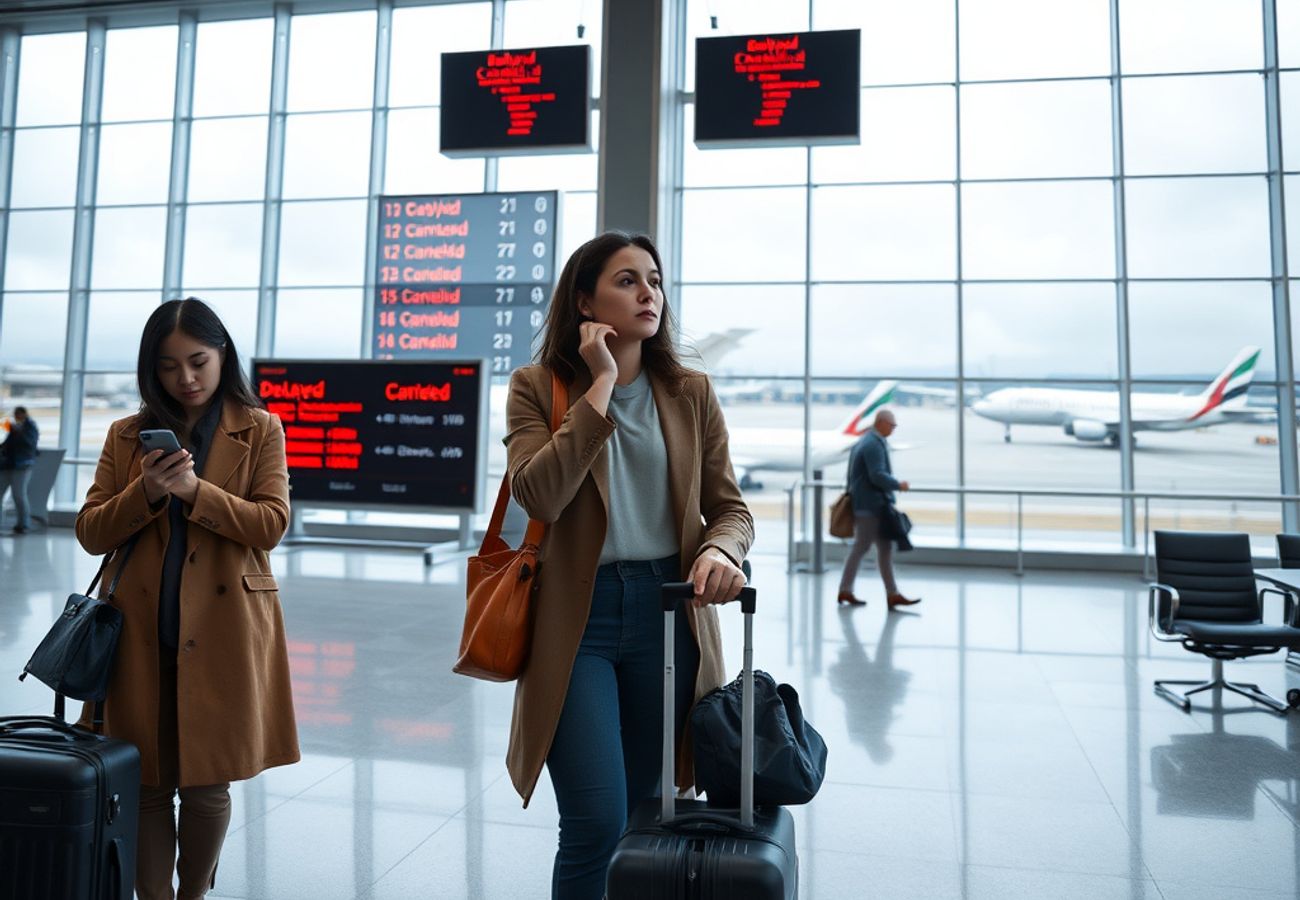
Image generated by AI
The anticipated economic windfall from the 2026 FIFA World Cup has largely failed to materialize in key US host cities. Stringent entry requirements and prohibitive pricing have effectively priced out high-spending international travelers, leaving hotels with massive unsold inventories.
Our analysis of the 2026 tournament indicates a systemic failure to convert stadium attendance into destination-wide economic gain. While matches were well-attended, the "high-spending" international demographic—expected to spend US$5,048 per trip (1.7 times the average overseas visitor)—was significantly absent.
The Disruption Details: A Market Miscalculation
The disconnect between match attendance and tourism revenue stems from three primary catalysts: prohibitive ticketing costs, US diplomatic bottlenecks, and a sudden collapse of guaranteed hotel blocks.
International fans faced a "cost-of-entry" crisis. Premium seats cost several thousand dollars, with hospitality packages exceeding US$60,000. Even entry-level resale tickets frequently approached US$1,000, forcing travelers to either shorten their stays, opt for day trips, or forgo the trip entirely.
Simultaneously, the US visa infrastructure proved inadequate. Between 65% and 70% of surveyed hotel operators identified visa processing delays and appointment shortages at embassies as the primary drivers of weak overseas demand, particularly from Asia, Africa, and Latin America.
Flight & Airport Impact Breakdown
Flight tracking and booking data reveal a sharp decline in long-haul arrivals to key hubs:
- European Bookings: Overall European flight bookings to most host cities dropped 3.8% year-on-year.
- New York Hub: European bookings to New York plummeted 15.8% year-on-year.
- Domestic Shift: A surge in regional road trips and short-term rental usage replaced the expected long-haul international arrivals.
- Crowding-Out Effect: Traditional business travel and academic conferences avoided host cities to escape congestion and price inflation.
Host City Performance Metrics
The following data highlights the disparity between projected and realized demand across the 11 US host cities.
| Metric | Core Data Point |
|---|---|
| Hotels reporting bookings below forecasts | 80% |
| FIFA-reserved room inventory released | ~70% |
| Peak to match-night hotel rate decline | 44% (US$537 $\rightarrow$ US$297) |
| Host-market hotel demand change | -1.1% year-on-year |
| Match-night RevPAR growth | +25.8% |
| Short-term rental average daily rate | ~US$218 |
Regional Analysis: Kansas City, Seattle, and Boston
- Kansas City: The weakest market; 85%–90% of hotels reported bookings below forecasts. Despite a 25% RevPAR increase during specific periods, operators described the booking phase as a "non-event."
- Seattle: Projected economic impact was downgraded from US$929 million to US$845 million, an $84 million loss. Nearly 80% of operators reported booking paces behind a typical summer.
- Boston: Nearly 80% of operators reported weaker-than-expected booking paces, with luxury and upper-upscale segments failing to attract the projected international boost.
Passenger Rights & Advisory: Navigating US Entry and Bookings
For travelers currently facing these hurdles or seeking refunds for overpriced bookings, our analysis of current policies suggests the following:
Visa and Entry Hurdles For the affected passenger, the lack of visa appointments is a diplomatic failure, not a carrier error. However, if a visa denial occurs after a flight is booked, check if your fare is "flexible" or "refundable." Under US DOT guidelines, if you cancel a flight within 24 hours of booking, you are entitled to a full refund regardless of the ticket type.
Hotel Rate Volatility With hotel rates dropping 44% from peak to match-night (US$537 down to US$297), passengers who booked "non-refundable" premium rates are currently locked in. Our analysis suggests checking for "Best Rate Guarantees" offered by hotel chains; if you find a lower rate for the same room on the hotel's official site, you may be eligible for a price match or a partial refund.
Ticket Resale Scams Given that resale tickets approached US$1,000, travelers should exercise extreme caution. Only use FIFA-authorized resale platforms. Tickets purchased via unauthorized third-party sites lack consumer protection and are frequently fraudulent.
Industry Analyst View
The 2026 World Cup serves as a cautionary tale for "mega-event" planning. The data shows a clear "crowding-out" effect: by inflating prices and maintaining rigid entry barriers, the US effectively traded high-value international tourists for lower-spending domestic visitors.
The most damaging blow was the release of 70% of FIFA-reserved room blocks. When contracted inventory is cancelled at rates up to 95% in some markets, it creates a sudden oversupply that crashes the Average Daily Rate (ADR), harming the very hotel operators who invested in infrastructure for the event.
The 2026 tournament proves that stadium capacity is a vanity metric if the visa and pricing architecture prevents the world from actually arriving.
Related Travel Guides
Disclaimer
This article is for informational and educational purposes only. It does not constitute legal, financial, or professional advice. While we strive to provide accurate and up-to-date information, travel policies, regulations, and conditions change rapidly. Always verify information with official sources before making travel decisions. Nomad Lawyer makes no representations about the accuracy, reliability, completeness, or suitability of the information provided. Readers should consult qualified professionals for advice specific to their circumstances. The views expressed in this article are those of the author and do not necessarily reflect the views of Nomad Lawyer.
Raushan Kumar
Founder & Lead Developer
Full-stack developer with 11+ years of experience and a passionate traveller. Raushan built Nomad Lawyer from the ground up with a vision to create the best travel and law experience on the web.
Learn more about our team →