
Europe's Jet Fuel Crisis Strands Thousands: Milan, Venice, Bologna Face Flight Chaos as Italy Joins Germany, Spain, UK in Supply Nightmare
Italy imposes emergency refuelling caps at major airports as Europe's jet fuel shortage triggers widespread flight delays, cancellations, and soaring airfares across the continent.

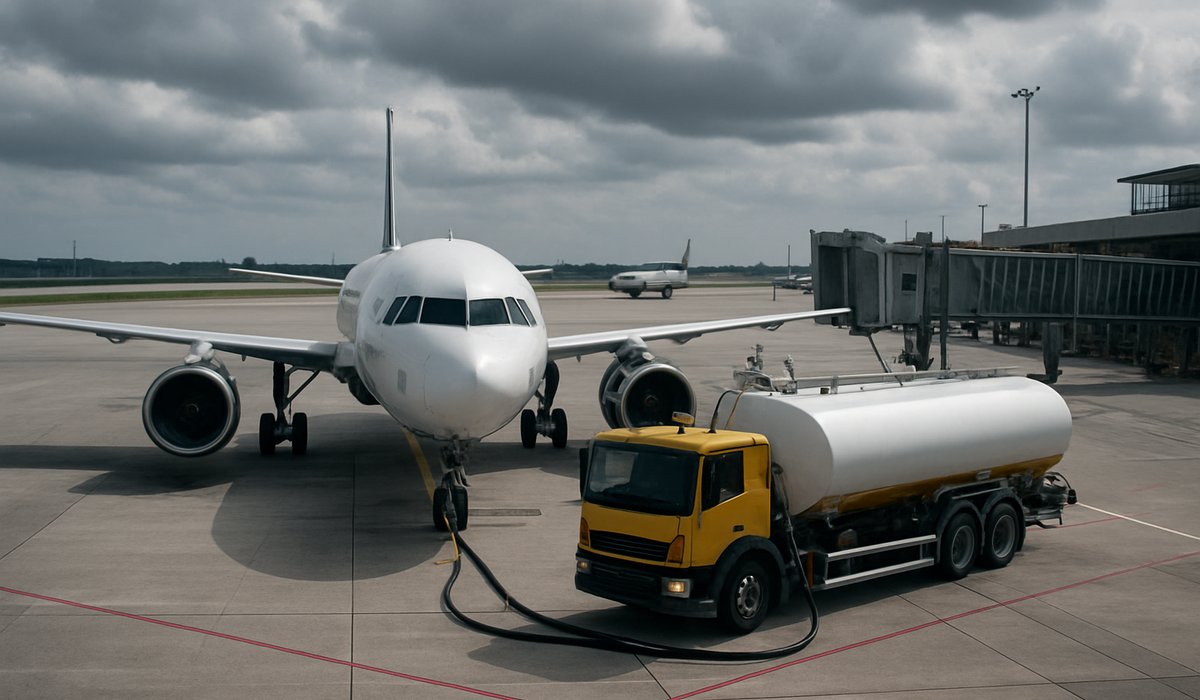
Image generated by AI
A critical aviation fuel shortage is gripping Europe, forcing Italy to impose emergency refuelling restrictions at four major airports and triggering a cascade of flight delays, route cancellations, and skyrocketing airfares that threaten to disrupt global travel patterns. Italy, Germany, Spain, the United Kingdom, France, and several other European nations are now grappling with severe supply constraints that have left airlines scrambling to maintain operations. The situation has become so acute that authorities have begun prioritizing essential flights while commercial aviation faces unprecedented fuel allocation caps, creating what industry observers are calling a potential travel nightmare for millions of passengers across Europe's busiest corridors.
The Crisis Unfolds: Italy's Emergency Measures at Milan, Venice, Bologna, and Treviso
Italy's government has implemented controlled refuelling limitations at Milan Linate, Venice Marco Polo, Bologna, and Treviso airports—four of the country's most critical aviation hubs. These restrictions represent far more than routine operational adjustments; they signal a structural breakdown in Europe's aviation fuel supply chain. Milan Linate, one of Europe's busiest regional airports serving the financial capital, now operates under strict fuel distribution protocols that prioritize emergency and essential flights. Venice Marco Polo, the gateway to the Adriatic and a crucial hub for Mediterranean tourism, faces similar constraints that are already forcing airlines to reduce long-haul operations. Bologna airport and Treviso airport have also introduced limited fuel supply measures, with critical operations receiving first priority while commercial carriers face rationing.
The decision to implement these caps did not emerge overnight. Government-linked aviation notices and fuel operator advisories confirm that fuel availability has tightened due to disruptions in global supply routes and intensifying demand pressures. Authorities have emphasized that these measures are precautionary steps designed to manage limited reserves efficiently rather than indicators of a complete supply collapse. However, the timing coincides with seasonal travel demand increases, further intensifying pressure on available fuel stocks. This combination of global supply instability and local demand has created a situation requiring immediate intervention, with officials warning that additional airports across Europe may introduce similar restrictions if supply conditions continue to deteriorate.
Europe's Broken Supply Chain: Import Dependency and Geopolitical Vulnerability
The broader European aviation fuel supply network is under severe strain due to external geopolitical and logistical factors that have exposed the continent's dangerous reliance on international markets. Europe's jet fuel imports have collapsed dramatically, dropping from 602,000 metric tonnes to just 253,000 metric tonnes in March 2026—a catastrophic decline that underscores the severity of the current crisis. Approximately 30 percent of Europe's aviation fuel supply originates from the Gulf region, creating significant exposure to geopolitical risks and maritime disruptions. The Strait of Hormuz, which carries nearly 20 percent of global oil flows, remains a critical vulnerability point that could trigger even more severe shortages if regional tensions escalate.
Europe's refining capacity has also deteriorated substantially, with the continent losing approximately 400,000 barrels per day in refining capacity during 2025—a structural decline that has forced increased reliance on imports at precisely the moment when global supply chains are under maximum stress. The United Kingdom has been identified as particularly vulnerable, facing potential supply risks of up to 25 percent. France and Germany, both major aviation hubs handling enormous passenger volumes, are also exposed due to their high demand and dependency on external supply chains. Spain and Belgium are showing early signs of strain, while the Netherlands and Finland have issued cautionary signals through aviation and energy monitoring systems. This does not yet represent a continent-wide crisis, but rather a cluster of high-risk zones that could evolve into a broader catastrophe if supply conditions worsen.
Flight Delays, Cancellations, and Soaring Airfares: The Passenger Impact
The immediate consequences for travelers have been severe and are escalating daily. Airlines operating across Milan, Venice, Bologna, and Treviso airports are adjusting through route optimization and additional refuelling stops, but these measures cannot fully compensate for the underlying fuel scarcity. Passengers are experiencing longer travel times, reduced flight availability, and dramatically increasing airfares across key European routes. The disruption is affecting global tourism, as Europe handles a major share of international air traffic, creating ripple effects that extend far beyond the continent's borders.
Commercial flights now operate under strict fuel limits that force carriers to make difficult operational decisions. Some airlines are reducing frequency on less profitable routes, while others are adding intermediate stops to refuel at airports with better supply availability—a practice that extends journey times and increases passenger frustration. The situation has created genuine airport chaos at Europe's major hubs, with travelers facing missed connections, extended layovers, and the prospect of paying premium prices for alternative routing. Essential services, including emergency flights and critical operations, continue uninterrupted, but the prioritization of these services means that leisure and business travelers bear the brunt of the restrictions.
Broader Implications: Global Travel Disruption and Tourism Impact
Europe's role as a global aviation hub means that this fuel shortage extends its disruptive reach far beyond the continent. International flights connecting through European airports face delays and potential cancellations, affecting passengers traveling from North America, Asia, and other regions who depend on European hubs for transatlantic and transcontinental connections. Tourism to Italy, Germany, Spain, France, and the United Kingdom—among Europe's most visited destinations—faces potential headwinds as travelers encounter higher airfares, longer journey times, and reduced flight availability.
According to the International Air Transport Association (IATA), Europe's aviation sector is critical to global connectivity, and disruptions of this magnitude can have cascading effects across the entire international travel network. Airlines are working closely with aviation authorities and fuel suppliers to navigate the crisis, but industry observers warn that without significant improvements in supply, the situation could deteriorate further. Governments across Europe are monitoring conditions closely and preparing contingency plans, though officials have acknowledged that the structural nature of the supply imbalance means that quick fixes are unlikely.
What Travelers Should Do Now
If you have flights booked through Milan Linate, Venice Marco Polo, Bologna, Treviso, or other affected European airports, contact your airline immediately to confirm flight status and explore alternative routing options. Consider booking flights with airlines that have diversified refuelling strategies and access to airports outside the most severely affected zones. Monitor official airline communications and check the European Union Aviation Safety Agency (EASA) website for the latest operational updates. Allow extra time for connections, as delays have become routine rather than exceptional. Most importantly, verify directly with your airline or travel provider before booking, as flight schedules and pricing are subject to immediate change based on operational conditions.
Related Travel Guides
Disclaimer
This article is for informational and educational purposes only. It does not constitute legal, financial, or professional advice. While we strive to provide accurate and up-to-date information, travel policies, regulations, and conditions change rapidly. Always verify information with official sources before making travel decisions. Nomad Lawyer makes no representations about the accuracy, reliability, completeness, or suitability of the information provided. Readers should consult qualified professionals for advice specific to their circumstances. The views expressed in this article are those of the author and do not necessarily reflect the views of Nomad Lawyer.
Raushan Kumar
Founder & Lead Developer
Full-stack developer with 11+ years of experience and a passionate traveller. Raushan built Nomad Lawyer from the ground up with a vision to create the best travel and law experience on the web.
Learn more about our team →