
Peru Opens Bajo Putumayo Yaguas Reserve for Indigenous-Led Ecotourism in 2026
Peru launches the Bajo Putumayo Yaguas reserve, a 1,606 square kilometer indigenous-led ecotourism zone focused on biodiversity conservation and community-managed river expeditions.

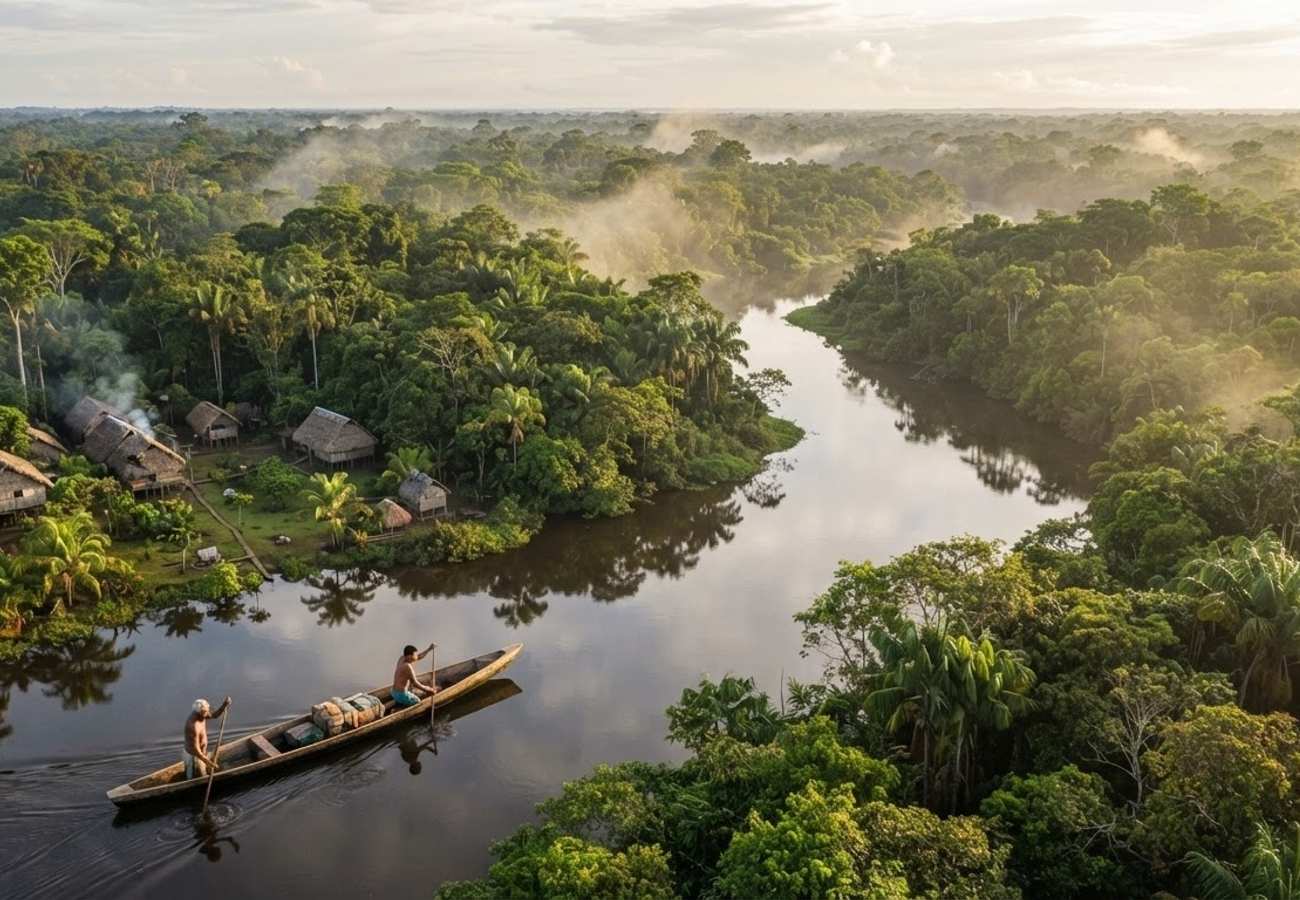
Image generated by AI
The Peruvian government has unlocked the Bajo Putumayo Yaguas reserve for specialized ecotourism, shifting control of conservation and visitor management to 13 indigenous communities.
The Disruption of Traditional Amazon Tourism
The launch of the Reserva Comunal Bajo Putumayo Yaguas marks a departure from the mass-market models seen in Iquitos and Puerto Maldonado. Located along the secluded Putumayo River near the Colombian border, this protected landscape covers 1,606 square kilometres.
Our analysis indicates that this initiative is designed to decouple Amazonian travel from centralized corporate administration. Instead, a co-management structure empowers local ethnic groups—including the Bora, Kichwa, Murui-Muinanɨ, Yagua, Ocaina, and Ticuna—to regulate visitor entry and experience design.
Regional Impact and Biodiversity Breakdown
The reserve operates as a biocultural tourism corridor, prioritizing ecological integrity over infrastructure development. Flight tracking and regional logistics show that access remains limited, reinforcing the area's status as a low-impact destination.
- Protected Area: 1,606 square kilometres of rainforest and waterways.
- Biodiversity Metrics: Over 4,500 documented plant and animal species.
- Community Involvement: 13 indigenous communities managing the territory.
- Primary Activities: River expeditions, medicinal plant treks, and traditional fishing.
- Key Logistics: Water-based transport via the Putumayo River; no conventional road access.
Passenger Rights & Advisory (Information Gain)
For the traveler planning a visit to this remote region, the shift to community-led management changes the legal and operational framework of the trip. Unlike standard hotel stays, these expeditions are often governed by communal agreements rather than corporate terms of service.
Our analysis of the operational framework suggests the following for passengers:
- Contractual Transparency: Because these tours are managed by communal structures, travelers should ensure their booking agents provide a clear "Community Access Agreement." This document should outline the specific rules of conduct and the distribution of fees.
- Insurance Requirements: Given the extreme remoteness and lack of road infrastructure, standard travel insurance may be insufficient. We advise passengers to secure specialized "Search and Rescue" (SAR) and emergency medical evacuation (Medevac) coverage.
- Rebooking and Cancellations: In this region, river conditions dictate the schedule. Our analysis suggests that "Force Majeure" clauses in travel contracts will be frequently triggered by weather. Passengers should verify if their operators offer flexible rebooking or if they are subject to strict community-led scheduling.
- Payment Ethics: To ensure the economic benefit reaches the forest protectors, travelers should prioritize operators who provide transparent receipts showing that revenues remain within the communal structures.
The Bajo Putumayo Yaguas model serves as a strategic economic hedge against illicit activities. By creating a legitimate income stream from tourism, the Peruvian government and local communities are creating a financial incentive to combat illegal gold mining and logging.
From a market perspective, this diversifies Peru's tourism portfolio. By attracting "expedition-style" travelers rather than mass tourists, Peru reduces the environmental pressure on its primary Amazonian gateways. The success of this model depends entirely on the ability of the 13 communities to maintain a balance between economic gain and the preservation of the 4,500+ species that make the region a viable product.
A new era of stewardship where the forest's survival is the primary economic driver.
Related Travel Guides
Disclaimer
This article is for informational and educational purposes only. It does not constitute legal, financial, or professional advice. While we strive to provide accurate and up-to-date information, travel policies, regulations, and conditions change rapidly. Always verify information with official sources before making travel decisions. Nomad Lawyer makes no representations about the accuracy, reliability, completeness, or suitability of the information provided. Readers should consult qualified professionals for advice specific to their circumstances. The views expressed in this article are those of the author and do not necessarily reflect the views of Nomad Lawyer.
Preeti Gunjan
Contributor & Community Manager
A passionate traveller and community builder. Preeti helps grow the Nomad Lawyer community, fostering engagement and bringing the reader experience to life.
Learn more about our team →