
Luxury Cruise Cancellations Stay Below 7% Amid Middle East Airspace Crisis
Luxury cruise cancellations remain minimal despite Middle East airspace closures in 2026. Travel advisors successfully rerouted 71% of affected clients to alternative destinations, maintaining robust demand across premium lines.

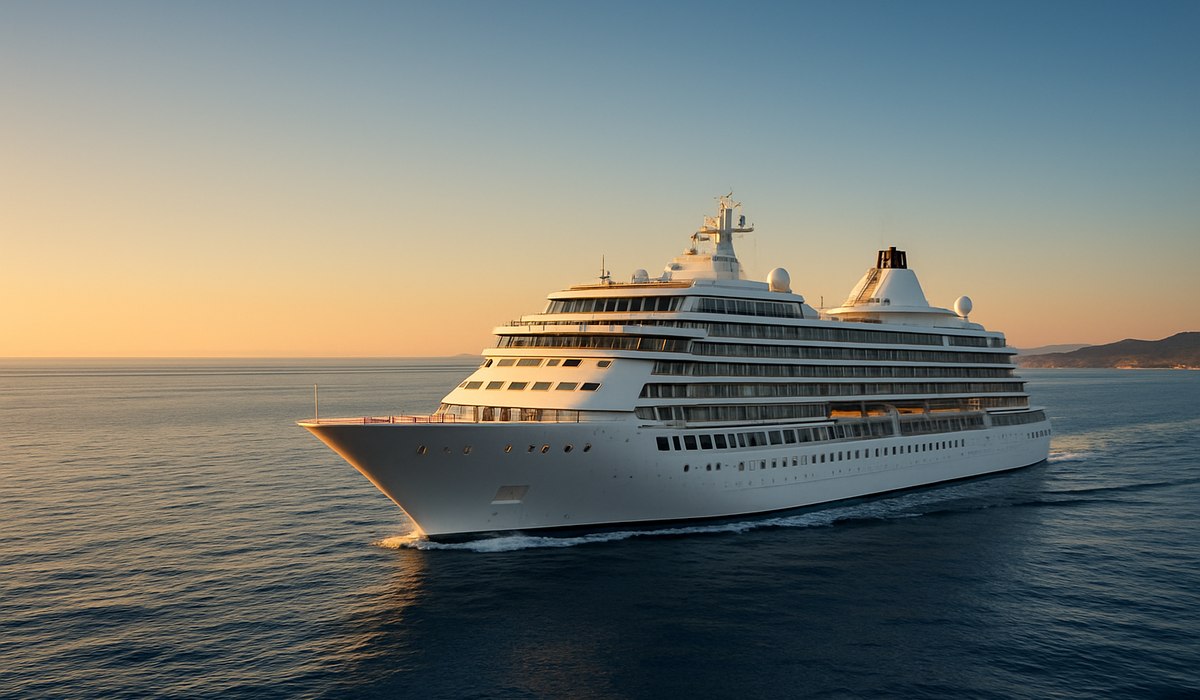
Image generated by AI
Breaking: Luxury Cruise Lines Report Minimal Disruption From Middle East Airspace Closures
Five leading luxury cruise operators confirm cancellation rates remain below 7% despite widespread Middle East airspace shutdowns beginning February 28, 2026. Travel advisors have successfully rerouted 71% of affected clients to alternative destinations, while demand across the premium cruise sector continues to hold steady. Industry leaders presenting at the Virtuoso Australia and New Zealand Forum in Auckland reveal that airlift constraints—not itinerary changes—represent the primary operational challenge. Consumer confidence remains robust, with luxury travelers prioritizing rebooking flexibility over outright cancellations.
Cancellation Rates Remain Minimal Across Luxury Sector
The luxury cruise cancellation picture stands far more positive than headline-grabbing media coverage might suggest. Live polling conducted among Virtuoso's Australia and New Zealand members at the March 2026 forum revealed only 7% of affected clients opted to cancel outright. This remarkably low cancellation rate underscores the resilience of affluent travelers and the effectiveness of proactive advisor communication strategies.
Of the remaining 93%, the distribution speaks volumes about traveler flexibility. Seventy-one percent accepted rerouting to alternative destinations entirely, demonstrating willingness to explore new itineraries rather than abandon travel plans. The final 21% chose to postpone bookings to later dates, preserving their investment while managing perceived uncertainty around airspace operations.
Senior executives from AmaWaterways, Regent Seven Seas Cruises, Oceania Cruises, The Ritz-Carlton Yacht Collection, PONANT, and Seabourn independently corroborated these findings. Multiple leaders described luxury cruise cancellations as "very low" and emphasized that the modest decline primarily stems from transportation logistics rather than cruise itinerary concerns. Learn more about luxury cruise options at Cruise Critic's luxury guides.
Airlift, Not Itineraries, the Real Pressure Point
The distinction between canceled cruises and logistical complications proves critical. Industry experts clarify that luxury cruise cancellations directly attributable to ship operations remain exceptionally rare. Instead, the challenge centers on guest transportation to embarkation ports affected by airspace closures.
Lisa Pile, Vice President of Sales and General Manager for Asia Pacific at both Regent Seven Seas Cruises and Oceania Cruises, identified airlift constraints as the primary concern. "It will come down to airlift, more than itinerary," she explained. Notably, neither Regent nor Oceania operates vessels sailing the directly affected Middle Eastern region, positioning both brands favorably against the disruption.
Travel advisors have responded with creative problem-solving. Shoulder-season European itineraries—particularly what luxury operators term the "quiet Med season" in late autumn—have emerged as compelling alternatives. These repositioned sailings offer superior weather conditions, reduced port congestion, and heightened onboard experiences. Premium passengers consistently report satisfaction with these substitutions, indicating that destination flexibility doesn't compromise the luxury cruise experience.
Travel Advisors Successfully Reroute Majority of Clients
Travel advisor capabilities have proven instrumental in maintaining booking momentum despite regional uncertainty. Rather than accepting cancellations, seasoned advisors have pivoted clients toward destinations offering comparable luxury experiences and favorable operating conditions.
Sebastian Seward, Vice President and General Manager for Asia Pacific at The Ritz-Carlton Yacht Collection, observed that March 2026 marked a transition month following extraordinarily strong January and February performance. Critically, he noted that guest behavior reflected rebooking preference over cancellation. Clients previously booked for Mediterranean sailings increasingly shifted toward Japan round-trip itineraries, capitalizing on seasonal advantages and avoiding airspace complications.
This pattern aligns with broader Virtuoso intelligence indicating that Asia absorbed approximately 90% of redirected demand from Middle East disruption. Travel advisors proved instrumental in educating clients about less-saturated regional options, demonstrating expertise that commands premium advisory fees. Advisors who positioned alternative itineraries as enhancements rather than compromises succeeded in maintaining client loyalty and booking values.
The financial flexibility cruise lines extended to advisors further supported rebooking success. AmaWaterways, for instance, offered extended final payment deadlines, enabling advisors to manage client uncertainty without forcing immediate financial commitments.
Demand Remains Robust Despite Regional Disruptions
Consumer appetite for luxury travel extends well beyond the immediate disruption period. Multiple industry leaders reported that forward-booking momentum actually strengthened despite near-term uncertainty, suggesting that affluent travelers view current disruption as temporary rather than systemic.
Rob Coleman, Senior Vice President of Sales for Seabourn, characterized the Australian market response as exceptionally resilient. "This isn't fear-driven decision making," he emphasized. "This is decision-making around the complexities or the frustration of a little bit of uncertainty, but people are resilient and want their vacation plans to come through."
Seabourn's 2027 booking trajectory reinforces Coleman's optimism. Forward bookings continue outpacing year-over-year comparisons, indicating consumer confidence extends substantially beyond the immediate crisis window. This multi-year booking strength suggests that luxury cruise cancellations reflect temporary logistics concerns rather than fundamental demand destruction.
Steve Richards, Managing Director of AmaWaterways Australia and New Zealand, offered similar perspective. February 2026 represented a record month for AmaWaterways, with sales momentum building through the spring season. While the March airspace closures temporarily slowed inquiry inbound, Richards characterized the slowdown as moderate and non-threatening to seasonal targets. "Once it ends, it'll ramp up again very quickly. The appetite to travel is too high," he stated.
Julie Rogers, Director of Sales for Asia Pacific at PONANT, highlighted strategic repositioning advantages. The French expedition specialist had relocated vessels away from the Middle East 18 months prior to the 2026 disruption, minimizing operational impact while capturing emerging demand in African expedition itineraries. Her confidence in advisor success reflected both proactive operational planning and demonstrated travel advisor effectiveness.
Cruise Itinerary at a Glance
| Cruise Line | Primary Alternate Destination | Peak Season | Typical Duration | Guest Capacity | Booking Status |
|---|---|---|---|---|---|
| Regent Seven Seas | Mediterranean (Shoulder Season) | Late August–October | 7–14 days | 700–900 | Strong |
| Oceania Cruises | European Coastal | May–September | 10–16 days | 684–1,250 | Robust |
| AmaWaterways | Rhine–Danube Rivers | May–October | 7–14 days | 158–190 | Above Target |
| Ritz-Carlton Yacht Collection | Asia–Pacific Round Trips | October–April | 10–14 days | 298 | Exceptional |
| PONANT | African Expedition | October–March | 8–12 days | 92–270 | Strong |
| Seabourn | Australian Summer Cruising | December–February | 10–21 days | 450–750 | Positive |
What This Means for Travelers
Luxury cruise cancellations tied directly to Middle East airspace disruptions remain statistically insignificant, creating realistic booking opportunities for discerning travelers. Consider these actionable strategies:
-
Embrace flexible rebooking options. If your Mediterranean cruise faces logistics complications, alternative destinations like Asia-Pacific and African expeditions offer comparable luxury experiences with enhanced operational certainty. Travel advisors command premium expertise in positioning these alternatives.
-
Capitalize on shoulder seasons. Mediterranean and European itineraries during late autumn (September–November) deliver superior weather, reduced crowds,
Disclaimer
This article is for informational and educational purposes only. It does not constitute legal, financial, or professional advice. While we strive to provide accurate and up-to-date information, travel policies, regulations, and conditions change rapidly. Always verify information with official sources before making travel decisions. Nomad Lawyer makes no representations about the accuracy, reliability, completeness, or suitability of the information provided. Readers should consult qualified professionals for advice specific to their circumstances. The views expressed in this article are those of the author and do not necessarily reflect the views of Nomad Lawyer.
Preeti Gunjan
Contributor & Community Manager
A passionate traveller and community builder. Preeti helps grow the Nomad Lawyer community, fostering engagement and bringing the reader experience to life.
Learn more about our team →