
Travel Canada Indigenous: Songhees Tours Launches in Victoria Inner Harbour 2026
Songhees Tours debuts in March 2026 on Victoria's Inner Harbour with Indigenous-led canoe and walking experiences. This new travel canada indigenous initiative transforms how visitors explore British Columbia's Lək̓ʷəŋən territory.

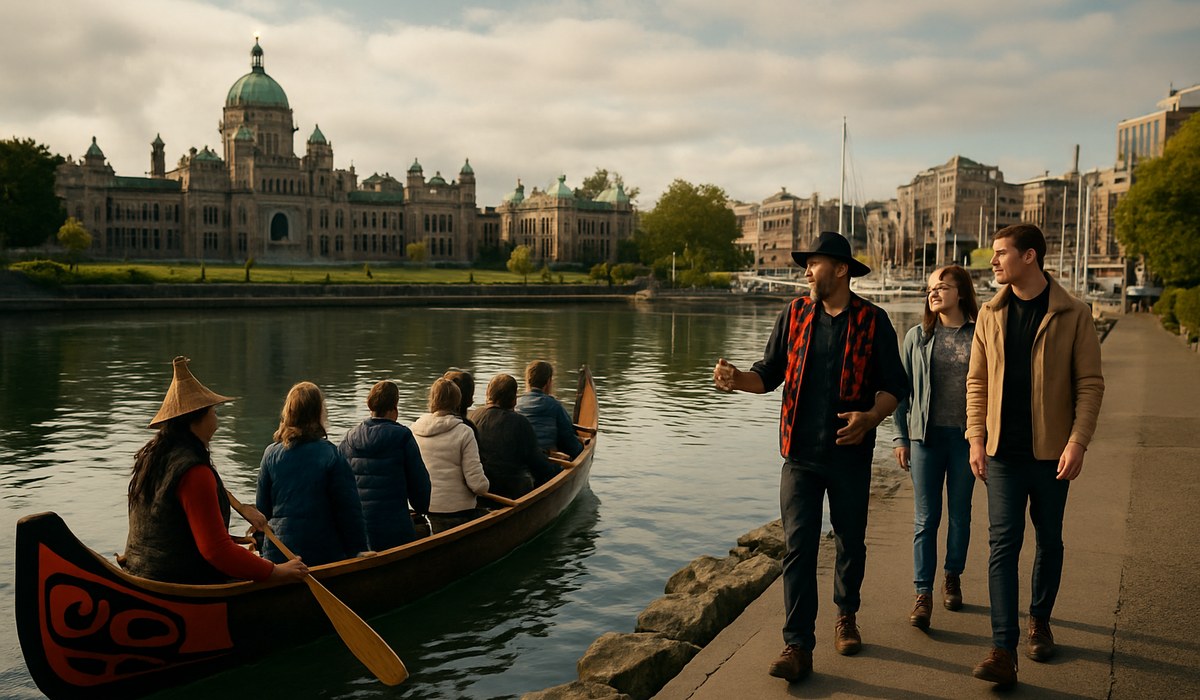
Image generated by AI
Songhees Tours Launches Authentic Indigenous Experiences in Victoria
Songhees Tours officially opens its doors in March 2026 on Victoria's Inner Harbour, introducing visitors to authentic Indigenous-led canoe and walking experiences across Lək̓ʷəŋən territory. This new venture represents a significant milestone for travel canada indigenous tourism, allowing travelers to engage directly with First Nations guides who share ancestral knowledge and cultural traditions. The tours combine traditional watercraft paddling with guided land exploration, creating immersive journeys that transform how North America's tourism landscape approaches Indigenous cultural exchange.
What Makes Songhees Tours a Game-Changer for Inner Harbour Visitors
Songhees Tours distinguishes itself through direct Indigenous leadership and authentic storytelling rooted in centuries of Lək̓ʷəŋən heritage. Rather than generic sightseeing, visitors participate in guided canoe expeditions where experienced navigators demonstrate traditional paddling techniques while narrating the cultural significance of locations throughout Victoria's Inner Harbour. Walking components connect travelers to sacred sites, traditional gathering areas, and contemporary Indigenous communities that continue thriving in British Columbia. The Indigenous Tourism BC organization has recognized these programs as exemplary models for ethical travel canada indigenous tourism development. Each excursion limits group sizes to ensure meaningful interaction and environmental stewardship of the territory.
Best Time to Visit Victoria for Indigenous Cultural Tourism
March through October represents the optimal window for experiencing Songhees Tours and Victoria's broader tourism offerings. Spring months (April-May) deliver mild temperatures between 50-60°F alongside vibrant wildflower blooms across Vancouver Island's parks. Summer peak season (June-August) brings consistent sunshine and extended daylight, though expect larger crowds throughout Inner Harbour destinations. Fall (September-October) offers crisp mornings, reduced tourism pressure, and dramatic coastal lighting ideal for photography. Winter visits (November-February) require weather-appropriate gear but provide serene paddling conditions and fewer visitors. Songhees Tours operates year-round, though advance bookings become essential during summer months. Weather can change rapidly on British Columbia's coast, so layered clothing serves travelers best regardless of season.
How to Get There: Accessing Victoria and Inner Harbour
Victoria International Airport (YYJ) connects to major North American hubs including Vancouver, Seattle, and San Francisco. Most international travelers arrive via Vancouver's YVR airport, then drive 3.5 hours south to Victoria via the scenic Trans-Canada Highway (Highway 1). The Clipper ferry service operates between Seattle's Pike Place Market neighborhood and Victoria's Inner Harbour, delivering tourists directly to downtown attractions. BC Ferries provides vehicle and passenger service from Vancouver's Tsawwassen terminal to Victoria's Swartz Bay terminal, a 90-minute journey through the scenic Strait of Georgia. Car rentals at YYJ airport cost $40-80 daily depending on vehicle class. Public transit via BC Transit buses connects the airport to downtown Victoria in approximately 45 minutes. Songhees Tours operates from the Inner Harbour waterfront, adjacent to the iconic Empress Hotel and within walking distance of downtown accommodations.
Cultural Significance and Tourism Impact on Lək̓ʷəŋən Territory
The launch of Songhees Tours represents meaningful economic opportunity and cultural preservation for Lək̓ʷəŋən First Nations communities across Vancouver Island. Tourism revenue directly supports Indigenous language revitalization programs, youth mentorship in traditional ecological knowledge, and community infrastructure development. Travelers engaging with these experiences contribute to broader recognition of Indigenous sovereignty and contemporary First Nations presence in North America's tourism landscape. The tours align with international ethical tourism standards that prioritize Indigenous consent, benefit-sharing, and environmental protection. TripAdvisor visitor reviews increasingly reflect demand for travel canada indigenous experiences that move beyond surface-level cultural commodification. These programs demonstrate how destinations can integrate tourism growth with meaningful cultural exchange and economic self-determination for Indigenous peoples.
Booking Your Songhees Tour Experience: Logistics and Expectations
Songhees Tours accommodates various fitness levels and interests through customizable canoe, walking, and combination packages ranging from 2-4 hours. Standard canoe tours require basic swimming comfort but no prior paddling experience. Walking tours navigate paved and unpaved terrain with optional difficulty modifications for older adults or travelers with mobility considerations. Tour pricing typically ranges $85-150 per person depending on duration and group size, with discounts available for families and advance bookings. Guides provide all necessary equipment including life jackets, paddles, and weather-appropriate gear. Lonely Planet recommends booking 2-3 weeks in advance for summer season availability. Tours depart morning, midday, and evening to accommodate cruise ship schedules and visitor preferences. Refund policies generally allow cancellation up to 48 hours before departure due to weather or personal circumstances.
What This Means for Travelers
Songhees Tours' 2026 launch fundamentally reshapes how visitors explore Victoria and experience travel canada indigenous tourism:
-
Direct cultural engagement: Visitors interact with Indigenous guides who own and lead tours rather than relying on non-Indigenous intermediaries.
-
Authentic storytelling: Guides share firsthand narratives rooted in personal and familial connections to Lək̓ʷəŋən territory rather than scripted interpretations.
-
Economic benefit: Tourism revenue directly supports Indigenous community priorities rather than external corporations extracting cultural value.
-
Environmental stewardship: Small group sizes and guide expertise ensure canoe expeditions and walking tours respect sensitive ecosystems across Inner Harbour areas.
-
Accessibility: Multiple tour formats accommodate diverse fitness levels, ages, and mobility needs, making travel canada indigenous experiences available to broader visitor demographics.
-
Extended destination appeal: Victoria's tourism sector gains competitive advantage by offering differentiated experiences unavailable in other North American destinations.
Travelers should expect to spend full days exploring Victoria's Inner Harbour beyond guided tours, visiting nearby Beacon Hill Park, wandering downtown's historic precinct, and sampling local cuisine at independently-operated restaurants.
Frequently Asked Questions
What should I know before booking a travel canada indigenous canoe tour in Victoria? Songhees Tours operates year-round, though summer requires advance booking. Canoe tours accommodate swimmers without paddling experience. Expect to spend 2-4 hours on water and receive all necessary safety equipment. Tours depart directly from Inner Harbour docks near the Empress Hotel. Cost ranges $85-120 per adult depending on duration.
How does travel canada indigenous tourism in Victoria differ from standard sightseeing? Songhees Tours features Indigenous-led guides sharing ancestral knowledge rather than generic historical facts. Tours emphasize cultural significance and contemporary First Nations presence across Lək̓ʷəŋən territory. Guides demonstrate traditional paddling techniques and navigate sacred locations with cultural respect. Revenue supports Indigenous community priorities including language preservation and youth mentorship programs.
When is the best time to visit Victoria for Indigenous cultural experiences? April through October offers mild weather and consistent tour availability. June-August brings peak sunshine but larger crowds. September-October provides ideal paddling conditions with fewer visitors and dramatic coastal lighting for photography. Winter paddling (November-February) suits experienced adventurers seeking serene, weather-appropriate experiences.
Will travel canada indigenous tours in Victoria work for families with young children? Songhees Tours offers family-friendly options including short walking tours and modified canoe programs for children ages 6+. Guides customize experiences based on group composition and age. Some packages combine brief paddling with extended land-based cultural instruction suitable for children's developmental stages. Contact tour operators for specific age requirements and family package pricing.
Related Travel Guides
Victoria 2026 Travel Guide: Must-See Attractions and Indigenous Cultural Sites
British Columbia Indigenous Tourism: Ethical Travel Across First Nations Territories
Vancouver Island Destinations: Beyond Victoria's Inner Harbour
Disclaimer
This article is for informational and educational purposes only. It does not constitute legal, financial, or professional advice. While we strive to provide accurate and up-to-date information, travel policies, regulations, and conditions change rapidly. Always verify information with official sources before making travel decisions. Nomad Lawyer makes no representations about the accuracy, reliability, completeness, or suitability of the information provided. Readers should consult qualified professionals for advice specific to their circumstances. The views expressed in this article are those of the author and do not necessarily reflect the views of Nomad Lawyer.
Preeti Gunjan
Contributor & Community Manager
A passionate traveller and community builder. Preeti helps grow the Nomad Lawyer community, fostering engagement and bringing the reader experience to life.
Learn more about our team →