
United States Travel Spotlight Kauai Reopens as Hawaii Businesses Seek Visitor Support After Hurricane Lowell
United States Travel Spotlight Kauai Reopens as Hawaii Businesses Seek Visitor Support After Hurricane Lowell

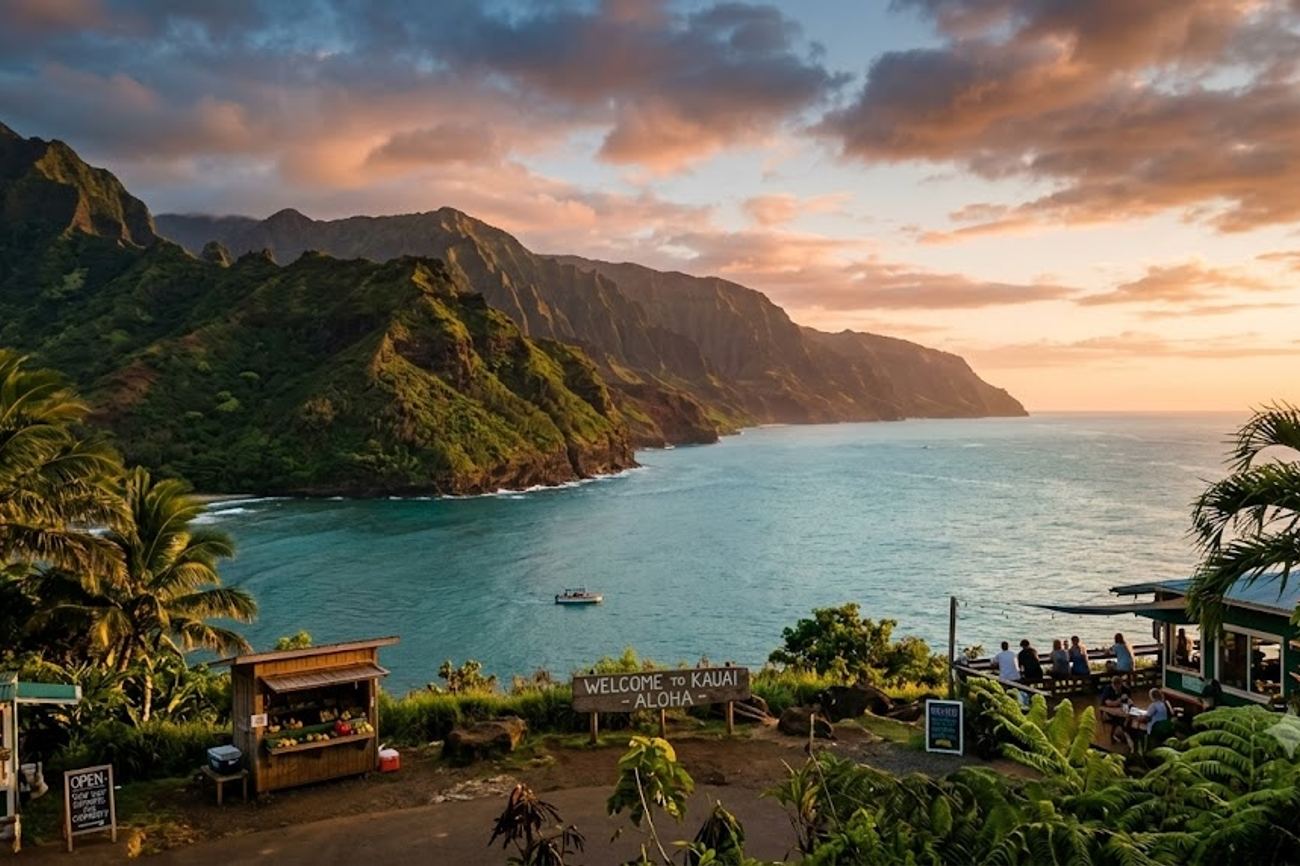
Image generated by AI
Before the storm hit, Kauai hosted upwards of 28,000 visitors every single day, but a sudden shift in travel patterns following Hurricane Lowell nearly paralyzed the island's small-scale economy. While the world saw a natural disaster, the local community saw a precarious balancing act: the need for clear roads for emergency crews versus the desperate need for revenue to keep family-run businesses from folding.
The Fragile Rebound of the Garden Isle
Kauai is currently navigating a complex transition from emergency response to economic revival. When Hurricane Lowell struck on 7 September 2026, the immediate priority was survival and infrastructure. The storm unleashed powerful winds and flooding that severed electricity and blocked arterial roads with fallen trees, forcing local officials to issue an urgent plea for tourists to postpone their trips. This wasn't about optics; it was about logistics. Recovery teams needed every inch of pavement available to restore essential services to residents before the island could once again accommodate the thousands of guests who typically flock to its shores.
However, this necessary pause created a secondary crisis. For the independent entrepreneurs who define Kauai's character, a vacant hotel room or an empty restaurant table isn't just a lost sale—it's a threat to their livelihood. The financial pressure mounted quickly as the "tourism gap" widened. The island is now entering a phase of "responsible invitation," where the community is welcoming travelers back, but with a specific set of expectations. The goal is no longer just to fill rooms, but to strategically inject capital into the local supply chain that was fractured by the storm.
What Makes Kauai Different
Unlike the more commercialized hubs of Oahu or Maui, Kauai operates on a rhythm that is deeply tied to the land and the people who work it. The island's economy is a tight web of interdependence. When a visitor buys a poke bowl from a local truck, that money doesn't just stay with the owner; it flows directly to the fishermen who caught the fish that morning and the farmers who grew the accompanying greens.
The impact of Hurricane Lowell highlighted this vulnerability. Take, for example, The Musubi Truck. This family-run operation, which manages three locations, stepped up immediately after the storm to feed the community. Yet, as the initial adrenaline of recovery faded and tourist numbers remained low, they saw a sharp decline in demand for their bento boxes and spam musubi. The result was a harsh reality: the closure of one truck and a 50% reduction in their workforce, cutting a team of roughly 50 employees down to 25.
This ripple effect extended to the Kauai Juice Co. and various agricultural producers. In Kauai, tourism isn't a separate industry; it is the lifeblood of the agricultural and artisanal sectors. The current recovery effort is less about "returning to normal" and more about rebuilding a more resilient version of this local ecosystem.
Visitor Insider Tips
If you are planning a trip to the Garden Isle in the wake of the recovery, you must shift your mindset from "vacationer" to "supporter." The island is open, but it is still healing.
Timing and Logistics Avoid the temptation to stick to the most famous landmarks. While the major sites are generally accessible, some secondary roads and rural trails may still be under repair. Always verify the status of your specific rental or activity provider 48 hours before arrival. For the most accurate updates on regional accessibility, check the Hawaii Tourism Authority or local county notices.
Where to Spend Prioritize "hyper-local." Instead of international chains, seek out family-owned eateries and boutiques. Your spending has a direct impact on job restoration. Look for businesses participating in community initiatives, such as The Musubi Truck’s Feed Our Keiki program, which provides free meals to local children. By purchasing gift cards or dining here, you are directly funding social safety nets for the island's youth.
Etiquette and Respect The most important rule right now is patience. You may encounter road closures or slower service than usual. Respect all "Closed" signs—even if a trail looks clear, it may be unstable or reserved for recovery crews. When interacting with locals, acknowledge the recovery process; a simple "thank you for having me" goes a long way in a community that has been under immense stress.
Transport Hacks Rent a vehicle from a local agency if possible, but be mindful of fuel availability in more remote areas. Stick to the main corridors unless you have confirmed that your destination road is fully reopened. For those looking to explore the more rugged North Shore, check current conditions via Visit Hawaii (or the equivalent Hawaii state portals) to avoid getting stranded on damaged bypasses.
Cultural and Environmental Context
The tension between tourism and recovery is a recurring theme in the Hawaiian Islands. Kauai is currently mirroring the struggle seen after the 2023 Maui wildfires, where the region had to balance the desperate need for tourist dollars with the psychological and physical needs of a grieving community.
Tourism in Hawaii is a double-edged sword. While it provides the economic engine for the islands, it can also strain the very environment and infrastructure that visitors come to admire. The recovery from Hurricane Lowell is an opportunity for Kauai to pivot toward a more sustainable model. By encouraging "responsible tourism," Mayor Derek Kawakami and other officials are trying to move away from high-volume, low-impact tourism toward a model where visitors are active participants in the island's wellbeing.
Environmentally, the storm has left the island's delicate ecosystems vulnerable. Increased foot traffic in recovering areas can lead to soil erosion and damage to native flora. This is why adhering to official guidelines is not just a matter of convenience, but of environmental preservation. The goal is to ensure that the "Garden Isle" remains lush and viable for future generations, rather than being worn down by a rushed return to peak visitor numbers.
FAQ: Visiting Kauai 2027
What is the best time to visit Kauai during the recovery? Now is an ideal time for those who wish to support the local economy. While peak seasons are always busy, visiting during the shoulder months allows you to provide steady income to businesses without overwhelming the still-recovering infrastructure.
Do I need a special permit or visa to visit? Standard US entry requirements apply. No special "recovery permits" are needed for tourists, but you should monitor local government announcements for any temporary restrictions on specific parks or protected areas.
How do I get to Kauai from Honolulu? The most efficient way is via a short domestic flight from Daniel K. Inouye International Airport (HNL) to Lihue Airport (LIH). Ensure you book with a carrier that has updated its schedules following the storm's impact on regional aviation.
Is it safe for solo travelers right now? Yes, Kauai remains safe for solo travelers. However, it is highly recommended to stay in well-connected areas and keep a local contact or hotel concierge updated on your itinerary if you are exploring remote parts of the island.
Travel to Kauai now is not just a trip; it is a contribution to a community's resilience.
#KauaiRecovery2027 #GardenIsleTravel #HawaiiSmallBusiness #HurricaneLowellImpact #ResponsibleHawaiiTravel
Related Travel Guides
- Douro and More Enter the Spotlight as Trafalgar and Others Reveal Fresh European River Adventures
- US, Canada and More Tourism Markets Connect With Saint Lucia’s New Showcase to Unlock Caribbean Growth Opportunities
- Ethiopian Airlines Makes History With Ninth Straight SKYTRAX Best Airline in Africa Recognition
Disclaimer
This article is for informational and educational purposes only. It does not constitute legal, financial, or professional advice. While we strive to provide accurate and up-to-date information, travel policies, regulations, and conditions change rapidly. Always verify information with official sources before making travel decisions. Nomad Lawyer makes no representations about the accuracy, reliability, completeness, or suitability of the information provided. Readers should consult qualified professionals for advice specific to their circumstances. The views expressed in this article are those of the author and do not necessarily reflect the views of Nomad Lawyer.
Naina Thakur
Contributor & Travel Specialist
Travel enthusiast and legal writer covering visa regulations, responsible tourism, and cultural journeys across global destinations.
Learn more about our team →