United States and Europe Music Festivals Face New Climate Challenges as Extreme Weather Disrupts Events: All You Need to Know

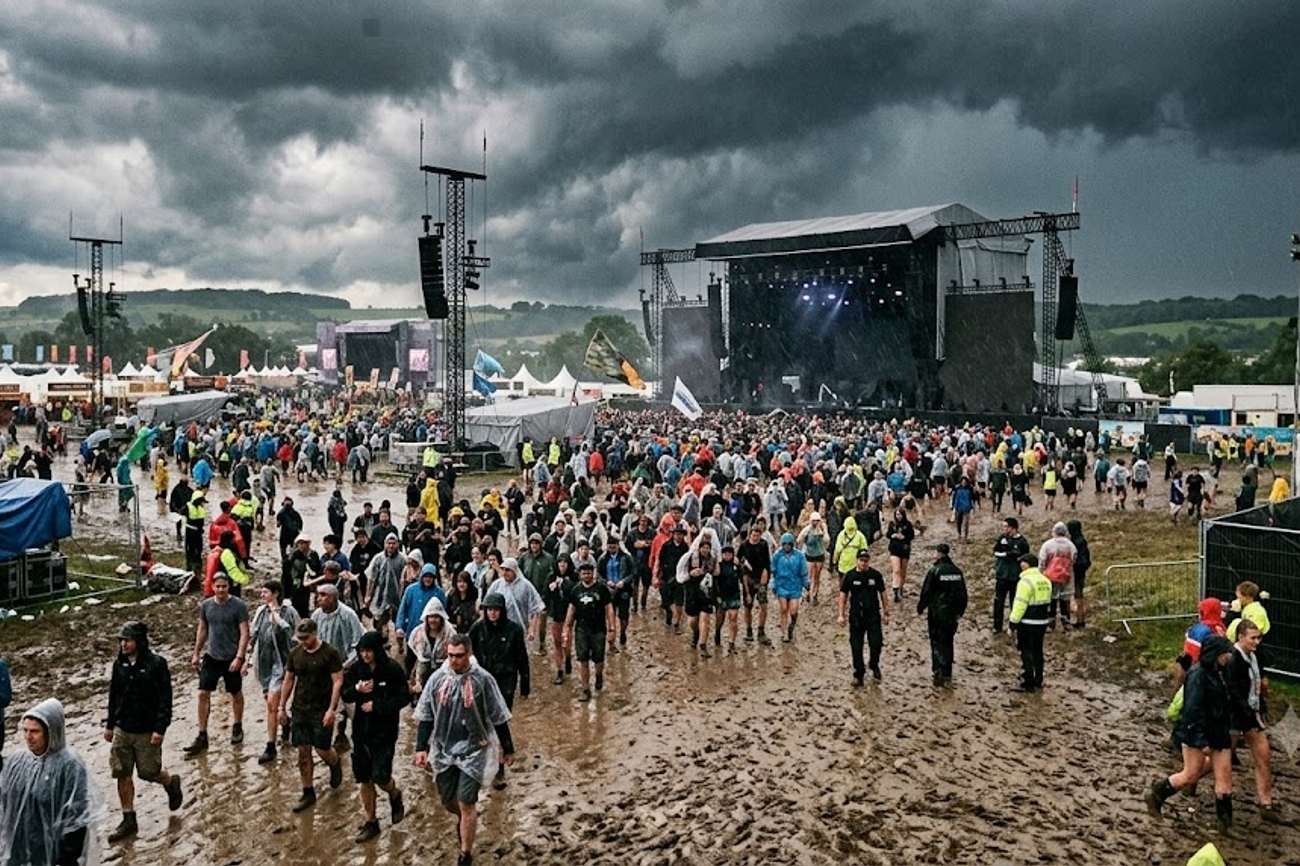
Image generated by AI
2026 marked a critical inflection point for the global music tourism sector, as a wave of cancellations and operational disruptions triggered by extreme weather forced a fundamental reassessment of how outdoor events are planned and insured. The industry, which serves as a massive catalyst for international travel, now finds itself at a crossroads where the desire for "destination experiences" clashes with the volatile realities of a changing climate. For the modern nomad and the high-spend festival traveler, the risk profile of booking a trip around a seaside or desert event has shifted from a minor inconvenience to a significant logistical gamble.
The Economic Engine of Music Tourism
The intersection of live entertainment and travel has evolved into a specialized economic vertical. Music festivals no longer function as isolated events but as primary drivers for regional GDP, creating a symbiotic relationship between event organizers and local infrastructure. When a major festival is announced, it triggers a predictable surge across multiple service sectors.
The following table outlines the specific economic dependencies created by these events:
| Tourism Sector | Primary Impact Driver | Resulting Economic Activity |
|---|---|---|
| Hospitality | Peak room demand | Surge in ADR (Average Daily Rate) and occupancy |
| Gastronomy | High-volume F&B needs | Increased spending at local restaurants and vendors |
| Logistics | Mass transit spikes | Increased volume in flights, rail, and ride-share services |
| Commerce | Tourist retail spending | Boost in local boutique and souvenir sales |
| Regional Tourism | Extended stay patterns | Increased visitation to nearby landmarks and attractions |
This interdependence means that a single weather-related cancellation does not just affect ticket holders; it creates a vacuum in the local economy, leaving hotels with empty rooms and transport operators with unused capacity. The systemic risk is no longer confined to the festival grounds but extends to the entire municipal tourism board.
Environmental Volatility and Operational Failure
The 2026 summer season in the United States served as a case study in climate vulnerability, with record-breaking temperatures forcing organizers to move beyond simple "water stations" toward comprehensive medical and infrastructure overhauls. Heat is not merely a comfort issue; it is a liability. Extreme thermal stress impacts everything from the structural integrity of stage equipment to the physical capability of artists to perform, creating a chain reaction of delays and safety hazards.
Beyond heat, the industry is grappling with "sudden-onset" weather events. Flash flooding and severe storms transform open fields and parks into hazardous zones, necessitating immediate evacuations and causing catastrophic equipment failure. The logistical nightmare of moving tens of thousands of people out of a flooded field in a remote location has pushed the International Air Transport Association (IATA) and local transport authorities to rethink how mass-egress is handled during climate emergencies.
Coastal events are perhaps the most precarious. The cancellation of the Ocean Way Festival in Santa Monica in 2026 provides a stark warning. This event was not undone by a single storm, but by the compounding effect of beach erosion and coastal damage that rendered the site physically incapable of supporting the necessary infrastructure. For seaside destinations, the "beachfront" is no longer a guaranteed asset but a fluctuating variable.
Expert Analysis: The Shift Toward Climate Resilience
For travelers booking these routes, the direct consequence is a transition from "ticket-buying" to "risk-management." We are seeing the emergence of a new era in event planning where climate resilience is a primary KPI (Key Performance Indicator). The industry is moving away from reactive measures toward a proactive "Resilience Framework."
The pricing pressure this creates is inevitable. As organizers invest in advanced weather forecasting tools, hydrogen-powered energy systems—such as those piloted at the Forwards Festival in Bristol—and flexible venue layouts, these costs will be passed down to the consumer. We should expect to see "Climate Surcharges" or mandatory event-specific insurance bundled into ticket prices.
The increasing frequency of extreme weather events is posing significant challenges to music festivals in the United States and Europe, with many events being forced to cancel or postpone due to severe weather conditions. According to the National Oceanic and Atmospheric Administration (NOAA), climate change is leading to more frequent and intense heatwaves, droughts, and heavy rainfall events, which can have devastating impacts on outdoor events. As a result, festival organizers are having to adapt and develop new strategies to mitigate the effects of extreme weather.
Furthermore, the shift toward sustainability is not just ethical; it is a survival strategy. By replacing diesel generators with battery technology and hydrogen, festivals reduce their local environmental footprint and mitigate the risk of fuel supply chain disruptions during weather crises. For the destination, this means a more sustainable relationship with the land, reducing the long-term erosion and pollution that threaten the very sites these festivals rely upon.
The strategic move toward "Destination Exploration"—where festivals integrate local wellness programs and cultural activities—is a clever hedge. By diversifying the attraction, organizers ensure that the trip has value even if the main event is shortened or modified due to weather. They are transforming the festival from a "single-point-of-failure" event into a broader regional tourism package.
Key Takeaways
- Systemic Economic Risk: Festival cancellations now cause ripple effects across hotels, transport, and retail, making climate resilience a municipal economic priority.
- Infrastructure Vulnerability: Coastal erosion and extreme heat are no longer "edge cases" but primary drivers of event cancellations, as seen with Santa Monica's Ocean Way Festival.
- Technological Pivot: The industry is shifting toward renewable energy (hydrogen/battery) to replace diesel, as demonstrated by the Forwards Festival in Bristol.
- Traveler Evolution: Attendees are shifting from "music-only" trips to integrated destination experiences, including wellness and local culture, to add value to their travel.
- Operational Overhauls: Future festivals will prioritize climate risk assessments and flexible venue planning over simple attendance growth.
FAQ: Music Tourism 2026
What happens to my travel bookings if a festival is cancelled due to weather? Most airline and hotel bookings are independent of the event. Unless you purchased a comprehensive travel insurance policy or a "festival package," you are generally responsible for your transport and lodging costs regardless of the event's status.
Are outdoor festivals becoming more expensive because of climate change? Yes. The cost of implementing cooling stations, advanced weather monitoring, and sustainable energy infrastructure increases operational overhead, which is typically reflected in higher ticket prices and "premium" experience tiers.
How can I check if a festival has a strong safety plan for extreme weather? Look for mentions of "Climate Risk Assessments," partnerships with official meteorological services, and detailed emergency communication protocols on the official event website or through the World Tourism Organization.
Why are some festivals moving toward hydrogen and battery power? Beyond reducing carbon emissions, these systems are often more reliable and quieter than diesel generators, reducing the environmental impact on the destination and improving the overall attendee experience.
The era of the "set-it-and-forget-it" outdoor festival is over; the future belongs to the resilient.
Tags: Ocean Way Festival 2026, Forwards Festival Bristol, Music Tourism Climate Impact, Santa Monica Coastal Erosion, Sustainable Event Infrastructure, Global Festival Logistics
Related Travel Guides
- Great West Way Unveils New UK Travel Experiences Featuring Castles, Culture and Luxury Escapes
- Florida Oktoberfest 2026 Creates Travel Frenzy as Germany and Brazil Connect Through Iconic Cultural Celebrations
- US Travel Hit as Santa Monica Cancels Ocean Way Festival After Hurricane Marie Damages Beach Venue: All You Need to Know
This article is for informational purposes. Flight routes, passenger regulations, visa rules, and transit advisories are subject to change by airlines and aviation authorities. Readers are advised to verify schedules and travel documentation with relevant carriers and border agencies before departure.
Related Stories
European Mass Protests Disrupt Travel Across France, Italy, Belgium, and Turkey in 2026

Alabama Tourism Surge: 29.22 Million Visitors Drive $24.87 Billion in State Spending for 2026