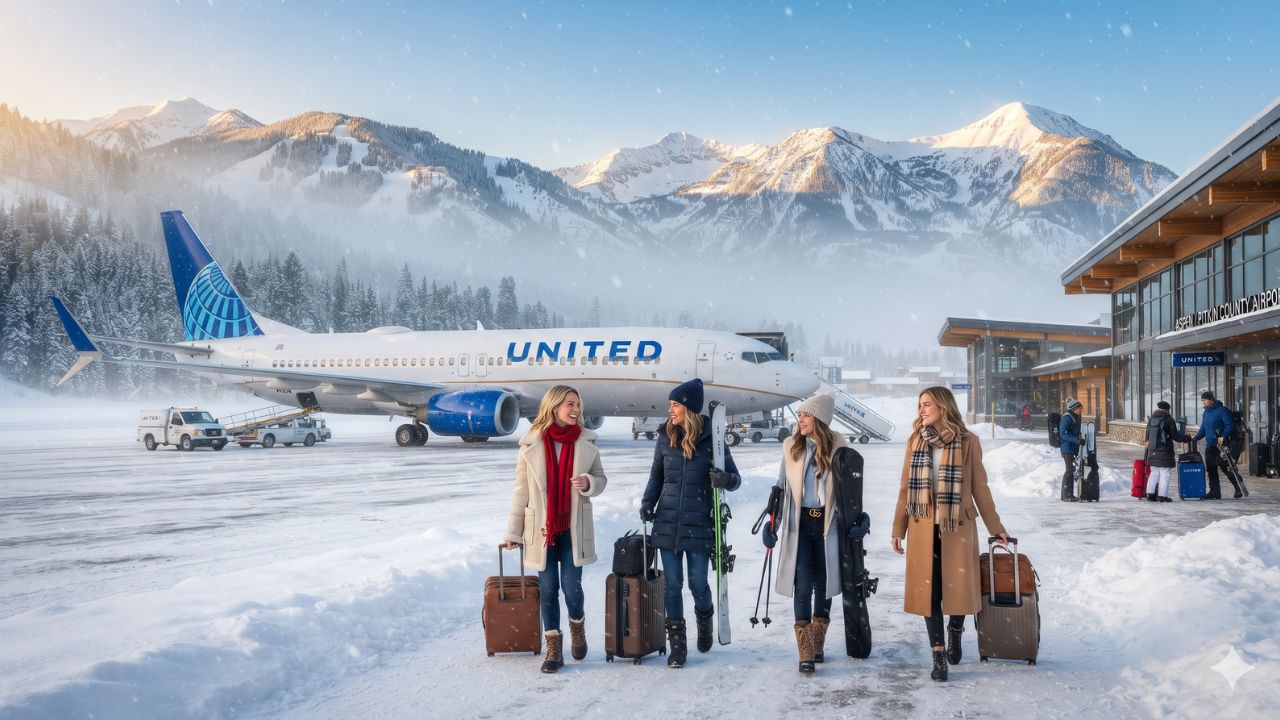
United Southwest and Allegiant Drive US Domestic Air Fares to $445 Average in Q2 2026

Image generated by AI
Despite the current price hikes, the average US domestic ticket price is still 33.8% lower than the all-time inflation-adjusted peak of $673 recorded in the first quarter of 1999. While modern travelers feel the pinch of rising costs, historical data suggests we have not yet returned to the extreme pricing ceilings of the late nineties.
The Shift in US Domestic Pricing Dynamics
The second quarter of 2026 has signaled a decisive upward trend in the cost of flying within the United States. According to data from the Bureau of Transportation Statistics (BTS), the average domestic itinerary fare reached $445. This represents a 2.0% climb from the inflation-adjusted $436 seen in Q1 2026 and a more dramatic 11.2% surge compared to the same period in 2025.
This price movement isn't isolated to a single carrier. A coalition of major players, including United Airlines, Southwest, Allegiant, Delta, and American Airlines, have all reported increases in fares or passenger yields. The industry is currently capitalizing on resilient consumer demand, carefully balancing seat capacity with aggressive pricing strategies to maximize revenue.
Breaking Down the Fare Increases by Carrier
Not all airlines are raising prices at the same rate. While the national average provides a baseline, the actual impact depends heavily on which carrier you book. For instance, budget-friendly options like Allegiant have seen double-digit increases, while legacy carriers are focusing on "yield"—a measure of revenue per passenger—to drive profitability.
The following data highlights the specific shifts seen across the major US carriers during Q2 2026:
| Airline | Q2 2026 Metric | Percentage Change |
|---|---|---|
| United | Domestic average fare | +12.8% |
| Southwest | Average passenger fare: $225.76 | +18.9% |
| JetBlue | Average fare: $237.38 | +8.6% |
| Allegiant | Average total fare: $158.01 | +15.1% |
| American | Passenger yield | +11.9% |
| Delta | Domestic yield | +13% |
| Alaska | Yield | +9.6% |
| Frontier | RASM (Revenue per Available Seat Mile) | +27.9% |
| US Market | BTS average itinerary fare: $445.26 | +2.0% (QoQ) |
What Makes the 2026 Pricing Different
It is important to distinguish between the "itinerary fare" and the actual cost of a trip. The $445 average reported by the US Department of Transportation includes mandatory taxes and fees required to board the plane, but it excludes "ancillaries." In 2026, the gap between the base fare and the final price is widening because optional charges—such as seat selection, checked bags, and priority boarding—are not factored into these statistics.
Furthermore, the type of journey significantly alters the cost. In Q2 2026, one-way tickets made up 45% of itineraries with an average cost of $312, while round-trip tickets accounted for 55% of the market at a much higher average of $549.
Visitor Insider Tips
To avoid paying the peak $445 average, you need to change how and when you book.
- The "Tuesday-Wednesday" Window: While the general rule of booking on Tuesdays persists, the most significant savings in 2026 are found by flying on mid-week dates. Avoid Friday and Sunday flights, which now carry a premium of 20-30% over mid-week fares.
- Watch the "Unbundled" Trap: With carriers like Frontier reporting a 27.9% increase in RASM, the "low" ticket price is often a mirage. Always calculate the total cost (baggage + seat) before booking a budget carrier over a legacy airline like United or Delta.
- Sampling Awareness: Be aware that BTS changed its data collection in Q3 2025 to the OD40 program, increasing ticket sampling from 10% to 40%. This means current data is far more accurate than pre-2025 figures, and "hidden" price spikes are now more visible in official reports.
- One-Way Strategy: Since one-way fares ($312) are significantly lower than round-trips ($549), experiment with "hacking" your trip by booking two different airlines for each leg of the journey.
Cultural and Environmental Context
The rise in airfares reflects a broader tension in US travel: the desire for accessibility versus the corporate drive for yield. As airlines move toward more "unbundled" pricing models, the experience of flying is becoming increasingly stratified. High-yield passengers occupy the front of the plane with inclusive amenities, while the average traveler navigates a minefield of add-on fees.
Environmentally, the resilience in demand that allows airlines to raise prices also puts pressure on carbon emission goals. As more passengers accept higher fares to travel domestically, the aviation sector faces increased scrutiny over its contribution to climate change, pushing some travelers toward rail alternatives in the Northeast Corridor.
FAQ: Visiting the US in 2026
What is the best time to find cheaper domestic flights? Historically, the third quarter of 2025 saw a low average of $381. To find similar deals in 2026, target the "shoulder seasons" (late September to early November) and avoid major US holidays.
Do I need a visa for domestic travel? Visas are for entering the US. Once inside, you only need a valid government-issued ID (such as a passport or REAL ID) to pass through TSA security checkpoints.
How do I get from major hubs like NYC to DC cheaply? With airfares rising, consider the Amtrak Acela or regional buses. For shorter domestic hops, budget carriers like Allegiant offer lower base fares, though be wary of baggage fees.
Is it safe for solo travelers to use budget airlines? Yes, it is safe. However, budget airlines often have fewer flight options per day. If a flight is canceled, you may be stranded longer than you would be with a major carrier like Delta or United.
Stop chasing the "deal" and start calculating the total cost of the journey.
Related Travel Guides
This article is for informational purposes. Flight routes, passenger regulations, visa rules, and transit advisories are subject to change by airlines and aviation authorities. Readers are advised to verify schedules and travel documentation with relevant carriers and border agencies before departure.
Related Stories
US Aviation Chaos: Orlando Leads 2,840 Delays and 108 Cancellations on November 20 2026
American Airlines, Delta, and United Lead 10 US Carriers in 2027 APEX Passenger Experience Awards