
United Airlines Returns First 'Elevated' 787-9 to Boeing After Weeks of Technical Complications
Breaking airline news and aviation industry updates for 2026.

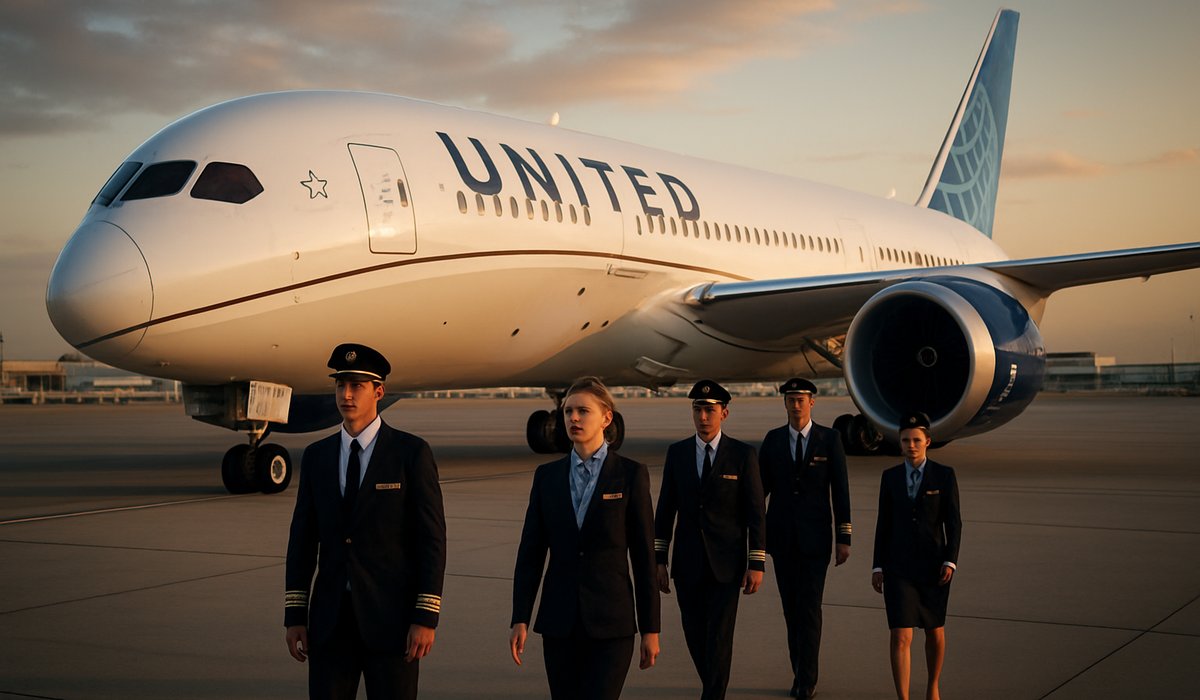
Image generated by AI
United Airlines Returns First 'Elevated' 787-9 to Boeing After Weeks of Technical Complications
The carrier's premium cabin aircraft encounters persistent issues, raising questions about the widebody jet's readiness and delivery timelines
Aircraft Grounded Following Service Disruptions
United Airlines has returned its first Boeing 787-9 Dreamliner equipped with the carrier's newly designed "Elevated" premium cabin configuration back to the manufacturer for remedial work, marking a significant setback for both the airline and Boeing amid an already challenging period for the aviation industry.
The aircraft, registered as N61101, has experienced a series of technical and operational difficulties since entering United's fleet, sources familiar with the matter confirmed. The return signals mounting pressure on Boeing to resolve cabin integration issues while the broader airline industry grapples with escalating operational costs driven by elevated jet fuel prices and rising maintenance expenditures.
Premium Cabin Integration Faces Hurdles
United's "Elevated" cabin represents a significant capital investment in passenger experience, featuring redesigned seating configurations, updated in-flight amenities, and enhanced premium service offerings. However, the troubled maiden deployment of this technology-integrated cabin has exposed potential compatibility issues between Boeing's aircraft systems and United's bespoke cabin modifications.
Industry analysts note that custom cabin retrofits on widebody aircraft—particularly those involving advanced connectivity, entertainment systems, and premium seating mechanics—have historically presented integration challenges. The complications aboard N61101 underscore the technical complexities of retrofitting legacy aircraft designs with next-generation passenger experience standards.
Broader Implications for Aviation Supply Chain
The aircraft's return to Boeing compounds existing pressures within the commercial aviation sector. Airlines worldwide are contending with volatile fuel markets, labor cost inflation, and mounting pressure to modernize fleets while managing baggage fees and ancillary revenue structures to offset operational expenses.
United's decision to ground the aircraft reflects a broader industry trend: carriers are increasingly demanding defect-free deliveries and comprehensive pre-service testing as supply chain disruptions and manufacturing backlogs continue to strain the sector. Boeing faces mounting scrutiny regarding quality assurance protocols, particularly as the manufacturer works to rebuild confidence following previous safety and production challenges.
Recovery Timeline Remains Uncertain
The duration of remedial work remains unspecified, though industry observers anticipate extended service at Boeing facilities. This delay potentially impacts United's fleet modernization strategy and its competitive positioning in premium long-haul markets where elevated cabin experiences drive revenue premium and customer loyalty.
For passengers and aviation stakeholders monitoring the situation, the incident reinforces that even cutting-edge aircraft require rigorous validation before commercial deployment—a lesson resonating across an industry increasingly dependent on reliable widebody capacity for international route expansion and premium service differentiation.
Frequently Asked Questions
What is United Airlines' "Elevated" cabin configuration? The "Elevated" cabin is United's premium onboard experience package featuring redesigned seating, enhanced in-flight amenities, and integrated connectivity systems designed to differentiate the carrier's long-haul offerings and justify premium pricing.
Why are custom cabin modifications prone to technical issues? Integrating proprietary cabin systems—including entertainment platforms, power distribution, seating mechanics, and connectivity infrastructure—into manufacturer-standard airframes requires extensive compatibility testing and can reveal unforeseen engineering conflicts.
How do aircraft delivery delays impact airline operations? Fleet delays directly affect capacity planning, route scheduling, and revenue generation. Each month of grounding costs airlines millions in forgone ticket sales while maintenance expenses and fuel costs persist regardless of utilization rates.
What role do jet fuel prices play in airline profitability? Volatile fuel markets significantly impact operating margins. When crude prices spike, airlines compress margins unless they can offset costs through baggage fees, ancillary charges, and premium cabin revenue—making reliable aircraft availability critical.
Will this incident delay other 787 deliveries to United? While this specific aircraft undergoes repairs, broader Boeing 787 production schedules may face scrutiny. Quality assurance delays on flagship configurations can establish precedents affecting subsequent deliveries and certification processes.
Related Travel Guides
External Resources
Disclaimer
This article is for informational and educational purposes only. It does not constitute legal, financial, or professional advice. While we strive to provide accurate and up-to-date information, travel policies, regulations, and conditions change rapidly. Always verify information with official sources before making travel decisions. Nomad Lawyer makes no representations about the accuracy, reliability, completeness, or suitability of the information provided. Readers should consult qualified professionals for advice specific to their circumstances. The views expressed in this article are those of the author and do not necessarily reflect the views of Nomad Lawyer.
Raushan Kumar
Founder & Lead Developer
Full-stack developer with 11+ years of experience and a passionate traveller. Raushan built Nomad Lawyer from the ground up with a vision to create the best travel and law experience on the web.
Learn more about our team →