
United Airlines Accelerates Military Pilot Recruitment, Hiring 600 Former Service Members in Historic Pipeline Program
Breaking airline news and aviation industry updates for 2026.

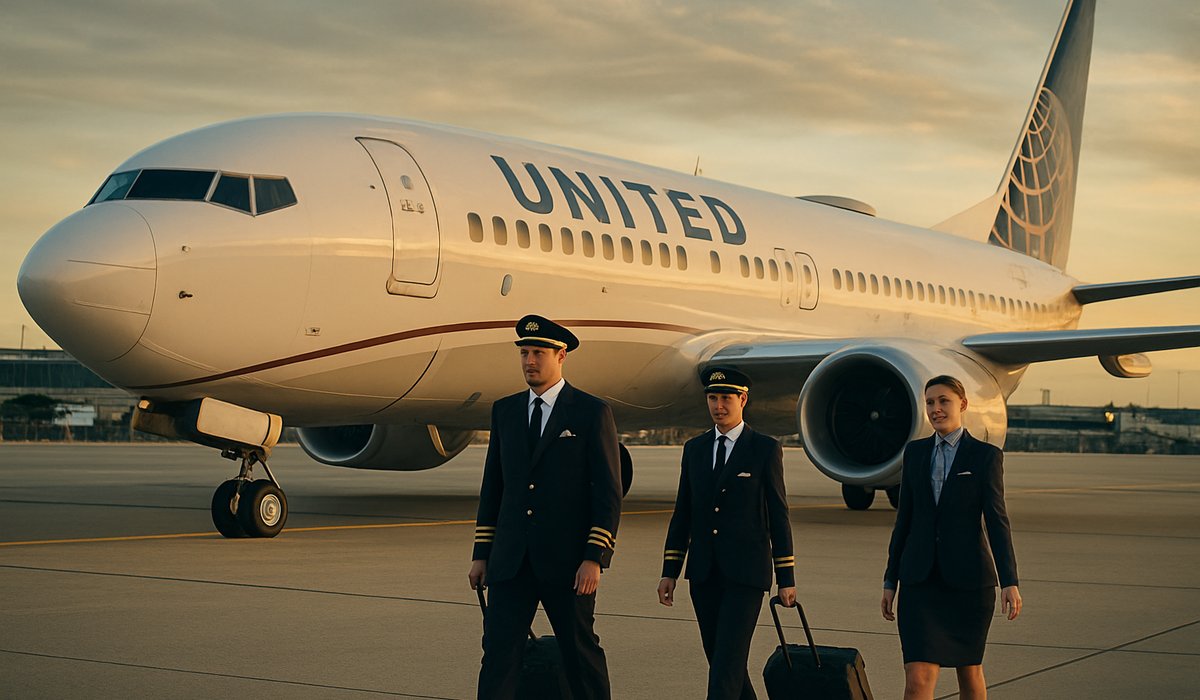
Image generated by AI
United Airlines Accelerates Military Pilot Recruitment, Hiring 600 Former Service Members in Historic Pipeline Program
The carrier's aggressive recruitment strategy signals industry-wide pilot shortage amid aviation boom and demographic challenges
Breaking Development
United Airlines has executed a landmark talent acquisition drive, recruiting approximately 600 former military aviators through a specialized pipeline initiative launched in 2024—equating to roughly one military pilot cohort per week. The Chicago-based carrier formalized this milestone with a ceremonial unveiling at Washington Dulles International Airport, where two aircraft sporting patriotic "Stars and Stripes" livery symbolized the dual achievement: honoring the United States' 250th anniversary and acknowledging the carrier's commitment to military veteran employment.
The Strategic Hiring Initiative
The acceleration in military pilot recruitment reflects United's response to a critical challenge gripping the aviation industry: a persistent and widening pilot shortage. As airlines worldwide have ramped up flight operations following pandemic-driven capacity reductions, the demand for qualified aviators has outpaced the civilian pilot training pipeline's capacity to supply them.
Military personnel represent a pool of highly trained, extensively vetted professionals with demonstrated flight experience, leadership capabilities, and security clearances already in place. By formalizing a dedicated recruitment pathway, United has positioned itself advantageously within a competitive labor market where experienced pilots command premium compensation packages and signing bonuses.
Broader Industry Implications
The staffing initiative arrives as commercial aviation navigates complex operational challenges. Rising jet fuel costs—driven partly by geopolitical tensions and global energy market volatility—have pressured carrier margins alongside elevated labor costs. Pilot shortages have cascaded into flight cancellations, schedule disruptions, and operational constraints that ultimately drive up ticket prices and ancillary fees for consumers.
United's aggressive recruitment underscores how legacy carriers are modernizing workforce strategies to sustain expansion ambitions. The military pilot initiative simultaneously addresses talent acquisition while generating positive brand positioning among veteran communities—a demographic increasingly valued by major carriers seeking to differentiate their employer brand.
The "Stars and Stripes" livery campaign, tied explicitly to both national commemoration and veteran appreciation, demonstrates how airlines leverage symbolic branding to communicate corporate values while addressing operational imperatives.
What's Next
Industry observers will monitor whether competing carriers—including American Airlines, Delta Air Lines, and Southwest Airlines—pursue comparable military recruitment strategies. The sustainability of such programs depends on continued aviation demand, jet fuel price stabilization, and broader economic conditions affecting travel spending.
Frequently Asked Questions
Q: Why are airlines hiring military pilots specifically? A: Military pilots bring advanced training, security clearances, flight hours, and demonstrated leadership—reducing onboarding timelines compared to civilian candidates.
Q: How does the pilot shortage affect airline fees and ticket prices? A: Pilot scarcity drives up labor costs, which carriers offset through increased base fares, baggage charges, and ancillary service fees passed to consumers.
Q: What other airlines are recruiting military pilots? A: While specific programs vary, major U.S. carriers including American, Delta, and Southwest maintain veteran recruitment initiatives, though United's structure appears notably formalized.
Q: How does jet fuel pricing impact pilot hiring decisions? A: Higher operational costs compress margins, making carriers more selective about staffing investments, though pilot shortages often force expedited hiring regardless of fuel prices.
Q: When will the aviation industry stabilize pilot supply? A: Industry forecasts suggest equilibrium may require 3-5 years of sustained recruitment pipelines, assuming sustained travel demand and no major economic recession.
Related Travel Guides
-
Airport Shortest Walking Distance: U.S. Hub Wins Efficiency Award
-
Routes British Airways Axes 20 in 2026: Massive Network Cull
External Resources
Disclaimer
This article is for informational and educational purposes only. It does not constitute legal, financial, or professional advice. While we strive to provide accurate and up-to-date information, travel policies, regulations, and conditions change rapidly. Always verify information with official sources before making travel decisions. Nomad Lawyer makes no representations about the accuracy, reliability, completeness, or suitability of the information provided. Readers should consult qualified professionals for advice specific to their circumstances. The views expressed in this article are those of the author and do not necessarily reflect the views of Nomad Lawyer.
Preeti Gunjan
Contributor & Community Manager
A passionate traveller and community builder. Preeti helps grow the Nomad Lawyer community, fostering engagement and bringing the reader experience to life.
Learn more about our team →