Southwest Airlines Under Pressure to Scrap Controversial Plus-Size Seating Policy Amid Public Backlash

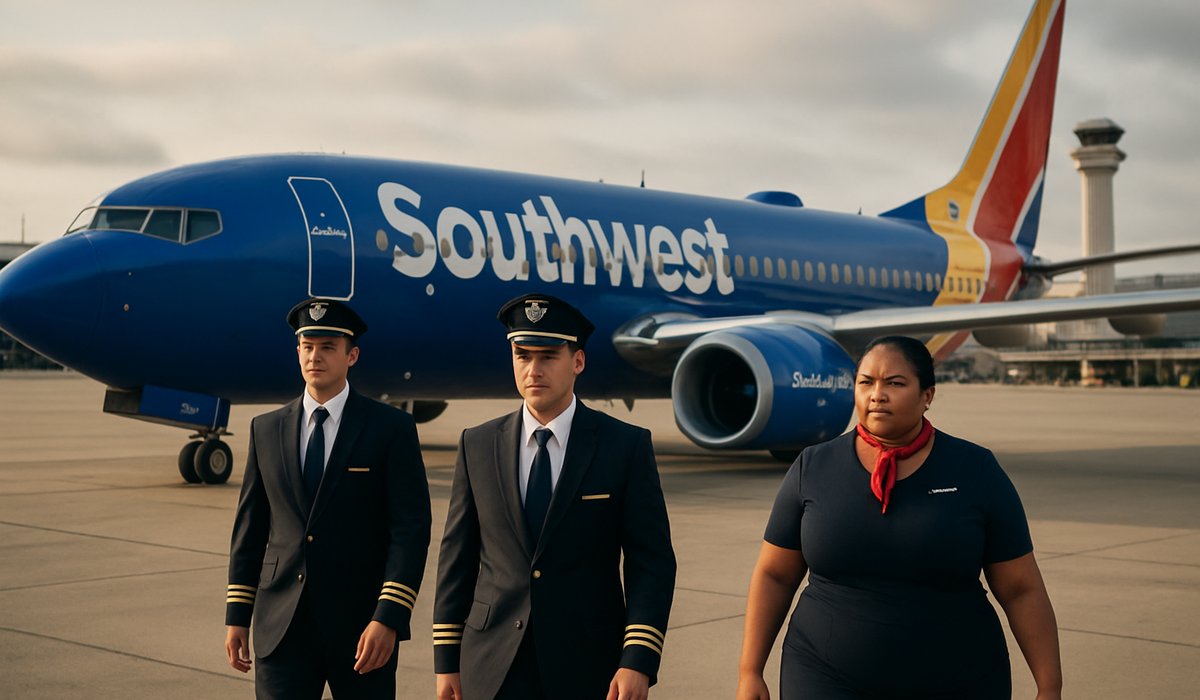
Image generated by AI
The carrier's stricter passenger accommodation rules have ignited a firestorm on social media, forcing leadership to reconsider its departure from decades of flexible boarding practices
Growing Outcry Forces Policy Review
Southwest Airlines is confronting mounting pressure to reverse a contentious new seating policy for plus-size passengers following weeks of intense criticism across social media platforms and travel advocacy communities. The Dallas-based carrier's decision to implement stricter passenger accommodation requirements—a significant departure from its longstanding flexible boarding approach—has sparked a broader conversation about airline accessibility, traveler equity, and the industry's shrinking seat configurations.
The controversy erupted after Southwest rolled out revised seating guidelines alongside its newly implemented assigned seating system, marking a fundamental shift in how the airline handles passengers who require additional space. For generations, Southwest's open boarding policy had become synonymous with passenger flexibility and inclusivity. The policy change signals a troubling trend as carriers worldwide tighten operational standards while seat dimensions continue to contract.
A Shift from Industry Norms
The airline's move represents a departure from its historical identity. Southwest had long distinguished itself through passenger-centric policies, including its famous open boarding process and generous baggage allowance—perks that have become increasingly rare as the aviation industry pursues efficiency and revenue optimization.
Industry analysts note that the decision reflects broader pressures facing airlines navigating post-pandemic recovery, jet fuel price volatility, and competitive pressure on operating margins. However, the intensity of public reaction has caught the carrier off guard, prompting internal discussions about whether the policy requires modification.
Industry Context
The controversy unfolds amid an era when airline fees—from baggage charges to seat selections—have become fundamental revenue streams for carriers. Southwest's proposed policy changes appeared designed to streamline operations and maximize aircraft utilization efficiency, yet the approach triggered accusations of discrimination from disability rights advocates and passenger groups.
What Happens Next
While Southwest has not yet formally announced a full policy reversal, company representatives acknowledged the ongoing dialogue with stakeholders regarding the contentious seating requirements. The carrier faces a critical decision point: maintain operational efficiency gains or restore the inclusive positioning that has historically defined its brand identity.
The situation underscores how aviation industry decisions—particularly those affecting accessibility and passenger treatment—increasingly face scrutiny from engaged communities and social movements demanding corporate accountability.
FAQ: Southwest Airlines Plus-Size Seating Policy
What is Southwest Airlines' new plus-size passenger policy? Southwest introduced stricter seating requirements tied to its newly implemented assigned seating system, departing from its historically flexible boarding approach and stricter accommodation standards for larger passengers.
Why did Southwest change its seating policy? The airline cited operational efficiency and the transition to an assigned seating model. Industry observers note that aviation fee structures and cost-control measures are driving such changes across the sector.
Could other airlines implement similar policies? Many carriers have implemented revenue optimization strategies affecting passenger accommodations, though Southwest's explicit approach drew particular backlash due to its previous reputation for inclusivity.
What are passengers' main objections? Critics argue the policy discriminates against plus-size travelers and contradicts accessibility standards, while raising concerns about how the aviation industry increasingly commodifies passenger experience through fees and restrictions.
Is Southwest reversing the policy? The airline is currently reviewing the policy following public pressure, though no formal reversal has been announced as of now.
Related Travel Guides
- United Flight UAL1483 Diverted to Scottsbluff
- Istanbul Sabiha Gokcen Gripped by Travel Turmoil: Kuwait Airways Grounds Flights to Casablanca, Tirana, and Budapest; Major Airport Disruptions Reported Across Turkey and the Middle East in May 2026
- Malaysia Airlines Adds April 2026 Flights on Kuala Lumpur-London Route as Asia-Europe Travel Surges 10%+ Year-on-Year
This article is for informational purposes. Flight routes, passenger regulations, visa rules, and transit advisories are subject to change by airlines and aviation authorities. Readers are advised to verify schedules and travel documentation with relevant carriers and border agencies before departure.
Related Stories
Brazil Nears 100 Million Air Passengers in 2026 Amid Divergent Global Aviation Growth