United Kingdom Unites More Travellers as Marseille Cuisine, Coast and Culture Shape France Tourism

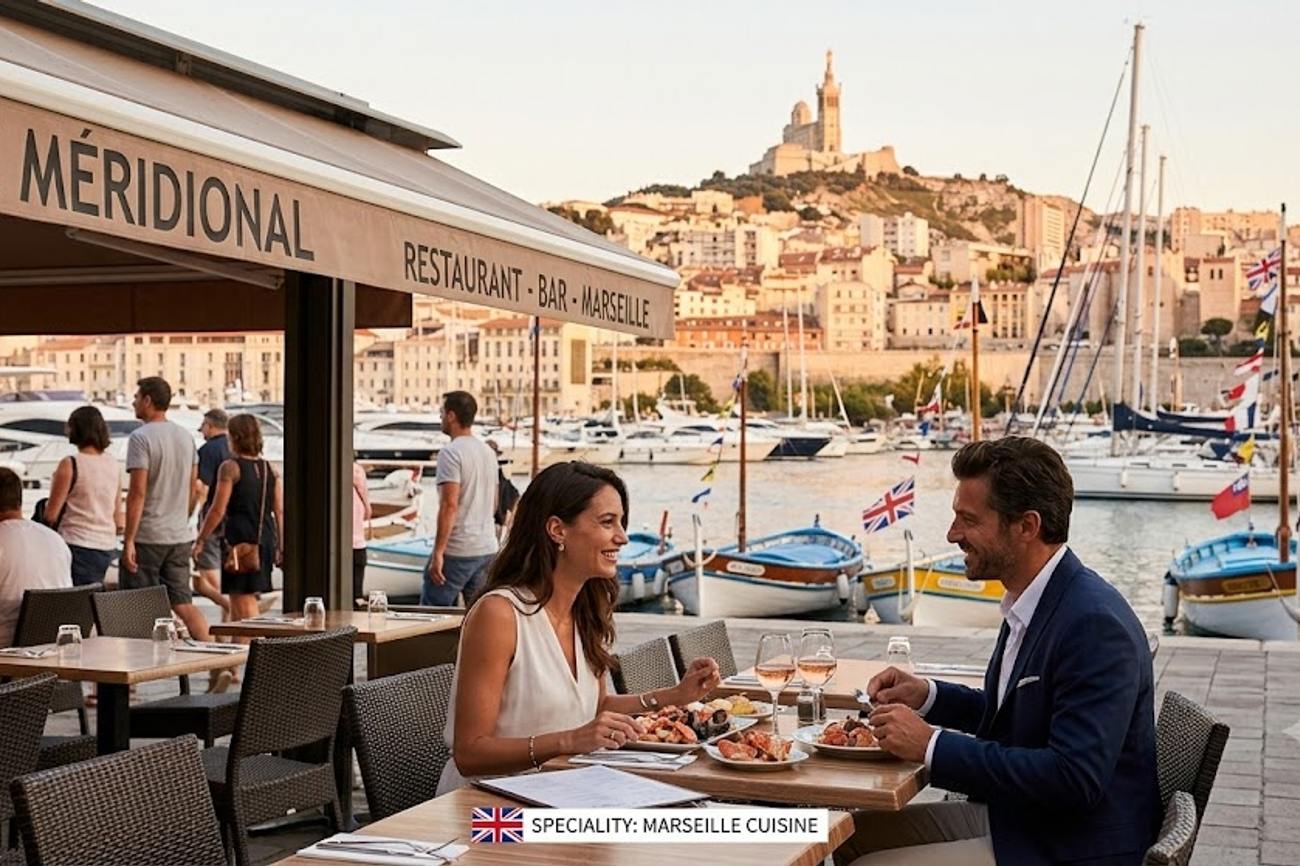
Image generated by AI
[Marseille, May 2026] — International tourism arrivals in Marseille have surged, driven by a 5% year-on-year increase in commercial tourist nights between May and mid-August 2026. The Mediterranean hub is leveraging a strategic blend of multicultural gastronomy and coastal accessibility to capture a growing share of the European city-break market, with July emerging as the peak period for international visitor concentrations.
The city currently attracts approximately five million tourists annually, with international travelers comprising 30% of the total visitor volume. Data indicates that the United Kingdom, Belgium, and Switzerland serve as the primary source markets for these arrivals. This growth is underpinned by a diversified tourism product that integrates 57 kilometers of coastline—including 20 kilometers of the rugged Calanques—with an urban culinary scene that extends beyond traditional seafood into North African and Italian influences.
The Mediterranean Gastronomy Catalyst
The primary driver for the current spike in visitation is the integration of high-end dining with maritime heritage. Marseille has successfully positioned its culinary identity as a travel experience rather than a mere amenity. The Vieux-Port remains the epicenter of this strategy, where traditional Bouillabaisse serves as a cornerstone of the city's brand.
Official recommendations from the Marseille Tourism Office highlight Le Miramar, located at 12 Quai du Port, as a premier destination for the signature fish stew, with 2026 pricing starting at €80 per person. Simultaneously, the city is promoting the Vallon des Auffes, a traditional fishing harbor in the 7th arrondissement. This area preserves authentic Provençal boat culture and houses premium waterfront establishments such as Auffo, located at 158 rue du Vallon des Auffes, which targets high-spending international tourists seeking panoramic sea views.
Market Reach and Visitor Demographics
Marseille's tourism economy is heavily reliant on a few key European corridors. The following breakdown illustrates the current market composition:
- Total Annual Volume: ~5 million tourists.
- International Share: 30% of all visitors.
- Primary Source Markets: United Kingdom, Switzerland, Belgium.
- Growth Metric: +5% increase in commercial nights (May to mid-August 2026).
- Peak Month: July.
The city is specifically targeting the British market, which remains a powerhouse for French tourism. According to data from Atout France, the UK delivered 13.1 million arrivals to France in 2025, generating €8.03 billion in tourism receipts. Marseille is positioning itself to capture this specific demographic by aligning its offerings with the three primary interests of British travelers: gastronomy, urban exploration, and heritage.
Practical Traveler Advisory and Strategic Insights
For passengers booking trips to Southern France in 2026, the "Marseille experience" has shifted from a stopover to a primary destination. The practical implications are as follows:
1. Higher Entry Costs for Signature Dining: The "gold standard" of Marseille cuisine, Bouillabaisse, is now a premium luxury item. Travelers should budget at least €80 per person for authentic waterfront versions in the Vieux-Port.
2. Diversified Dining Options: While seafood is the headline, the city's multicultural identity offers more affordable alternatives. In the Cours Julien district, La Cantinetta provides Italian-Mediterranean and organic options with prices between €16 and €50. Those seeking traditional Marseille pizza can find it at Chez Etienne, with costs ranging from €16 to €40.
3. Logistics and Accessibility: The city-break model is now highly streamlined. Travelers from the UK have direct aerial access via Marseille Provence Airport, with flights operating from London, Manchester, Bristol, Edinburgh, and Glasgow.
4. Integrated Itineraries: The tourism board is encouraging "hybrid" trips. A typical 2026 itinerary now combines a visit to the historic Château d’If, a walking tour of the Marché des Capucins in the Noailles district (established in 1956), and nature excursions into the 20km of Calanques coastline.
The Urban-Coastal Expansion Strategy
Marseille is actively working to decouple its image from being solely a port city, expanding into "urban tourism" to ensure year-round viability. This is most evident in the Noailles neighborhood. The Marché des Capucins serves as a critical touchpoint for international visitors, offering a sensory introduction to the spices, meats, and produce associated with Marseille’s African and Mediterranean populations.
By promoting the Cours Julien area—known for its street art and independent restaurants—alongside the traditional Corniche coastal drive, the city is creating a multi-layered appeal. This strategy ensures that the city appeals to both the luxury traveler seeking waterfront gastronomy and the cultural tourist interested in the multicultural fabric of a Mediterranean port.
The synergy between the European Union Aviation Safety Agency (EASA) regulated flight corridors and the local tourism infrastructure has allowed Marseille to scale its capacity. The increase in commercial nights suggests that the city is successfully converting short-term visitors into multi-day tourists who spend more across various sectors of the local economy.
FAQ: Marseille Tourism 2026
What is the average cost of authentic Bouillabaisse in 2026? At top-rated establishments like Le Miramar in the Vieux-Port, prices start at approximately €80 per person. More affordable seafood options are available in the surrounding harbor districts.
Which UK cities have direct flights to Marseille? Direct connectivity is currently available from London, Bristol, Manchester, Edinburgh, and Glasgow via Marseille Provence Airport.
What are the best areas for multicultural food beyond seafood? The Noailles district, specifically the Marché des Capucins, is the hub for African and Mediterranean influences. Cours Julien is the primary destination for Italian-Mediterranean and organic cuisine.
When is the best time to visit to avoid the heaviest crowds? While July sees the highest concentration of international visitors, the growth period spans from May to mid-August. Visiting in May or early June may offer a balance of good weather and lower density.
Marseille is no longer just a gateway to Provence; it is the destination.
Related Travel Guides
This article is for informational purposes. Flight routes, passenger regulations, visa rules, and transit advisories are subject to change by airlines and aviation authorities. Readers are advised to verify schedules and travel documentation with relevant carriers and border agencies before departure.
Related Stories

MakeMyTrip Launches Travel Ka Muhurat Sale 2026 With 35 Airlines and 33,500 Hotels

Hamburg NextReality Festival 2026 Integrates AI and VR into UNESCO Speicherstadt Heritage District