
Breaking Airline News: Terrifying United Airlines Newark Light Pole Strike Triggers Massive Safety Scare and Severe Travel Chaos
Breaking airline news: A terrifying near-disaster involving a United Airlines Boeing 767 violently striking a light pole at Newark triggers massive safety investigations and travel chaos.

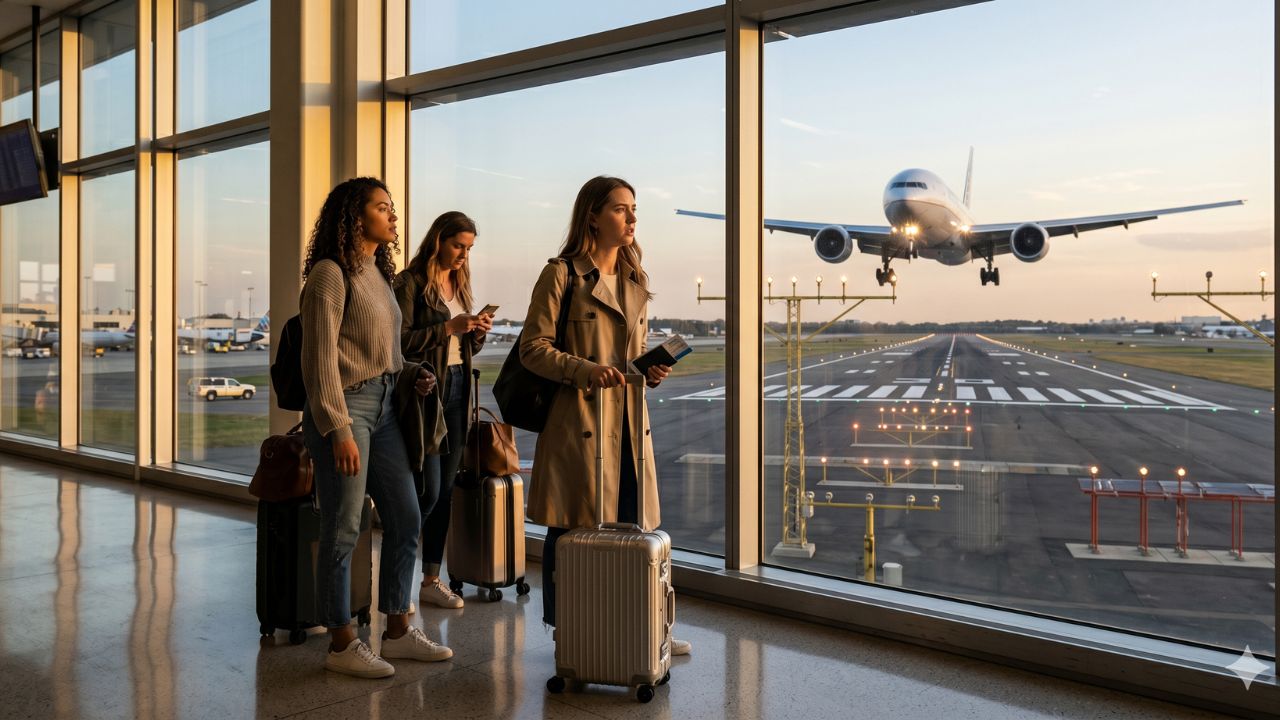
Image representing the terrifying United Airlines near-miss violently triggering massive Newark travel chaos.
Breaking Airline News: Terrifying United Airlines Newark Light Pole Strike Triggers Massive Safety Scare and Severe Travel Chaos
To the absolute horror of international tourists and frantic commuters, a catastrophic safety collapse violently plunged Newark Liberty International Airport into massive operational gridlock as a terrifying United Airlines near-disaster triggered severe investigations, completely shattering passenger confidence and sparking massive travel chaos.
In a highly terrifying and completely chaotic era for commercial aviation, legacy transit corridors are actively collapsing under a massive wave of sudden travel chaos that is severely crippling traditional safety networks. Delivering highly urgent, breaking airline news, aviation authorities have officially confirmed a massive operational disaster for global travelers. Plagued by sudden flight cancellations, agonizing delays, and terrifying pilot errors, modern tourists are fiercely demanding answers. On May 3, United Airlines Flight UA169, arriving from Venice, Italy, violently approached disaster. The massive Boeing 767 descended terrifyingly low over the busy New Jersey Turnpike, aggressively clipping a light pole just before touching down. This massive mechanical and procedural failure instantly triggered terrifying airport disruptions, forcing innocent travelers to question the safety of major American gateways and creating an incredibly hostile transit environment during peak travel operations.
Expanded Overview: The Massive Scale of the Aviation Near-Disaster
The highly publicized execution of this massive National Transportation Safety Board (NTSB) preliminary report serves as an absolute nightmare for tourists desperate to escape international transit gridlock. For years, incredibly dense departure corridors operated under severe logistical strain, frequently exposing innocent travelers to sudden operational adjustments, terrifying weather conditions, and agonizingly vulnerable landing approaches. However, this incredibly hostile operational model was rapidly and violently exposed by this terrifying cockpit failure.
Led heavily by the undeniable statistic that the aircraft plunged to a terrifying 15–19 feet above the highway, authorities aggressively acted to investigate the crew. By violently impacting the light pole, debris rained down, striking a passing truck and causing minor injuries and vehicle damage. While the Boeing 767 miraculously completed its landing safely with no injuries to passengers or crew, the carrier has forced a massive logistical reset. The terrifying reality is that this localized safety collapse completely destroys highly anticipated direct itineraries by sparking fears of massive systemic failures. The NTSB findings forcefully trapped travelers in the terrifying reality of regional delays. Lost ticket confidence has been actively compromised, replacing highly dependable landings with an incredibly slow, scrutinized pipeline that mathematically guarantees a miserable transit experience for those desperately trying to reach New York and New Jersey.
Section-Wise Breakdown of the Terrifying Transit Disruption
The Newark Terminal Paralyzation
Violent operational disruptions across massive East Coast mega-hubs mathematically trap thousands of passengers in chaotic departure lounges. Newark Liberty International Airport serves as an absolute primary gateway for business and premium leisure tourism. Following the massive May 3 incident, these routes were instantly transformed into a terrifying trap of stranded commuters awaiting safety reviews. With flight crews aggressively scrutinized, travelers were aggressively forced to shift toward alternative, congested hubs. This terrifying bottleneck permanently damages regional efficiency, exposing tourists to the terrifying reality of forced transfers and offering no immediate escape from the travel chaos.
The Terrifying Cockpit Failure
The terrifying travel chaos isolating critical vacation economies is aggressively worsened by this massive human error. Investigators violently discovered that the copilot recognized the aircraft was descending too low—but only at the absolute last possible moment. Crew members terrifyingly described hearing a sudden thump and feeling a “mild jolt” just before touchdown. The first officer reportedly warned, “you are still slow and a little low,” violently exposing the internal awareness of the doomed flight path. What aggressively troubled investigators is that the massive aircraft had its runway assignment violently changed three times in the moments before touchdown, forcing pilots to navigate terrifying pressure with limited time.
The Aggressive Weather and Infrastructure Threat
Looking aggressively toward operational survival, this massive incident violently threatens the broader aviation industry's reliance on shorter runways. Newark’s shorter runway—just 6,726 feet in length—is terrifyingly challenging. On the day of the disaster, wind gusts aggressively reached up to 31 mph (50 km/h), violently complicating pilot control. Aviation safety pro Jeff Guzzetti fiercely noted that heavy winds aggressively force rapid power adjustments. Furthermore, D. Blake Stringer, director of the Center for Aviation Studies at Ohio State University, warned that the aircraft was intentionally flown on a terrifyingly shallower descent than standard. United Airlines violently responded by issuing a massive safety bulletin, warning pilots about "ducking under"—a terrifying practice where the aircraft violently descends below the optimal glide path.
Verified Incident Data: The Aviation Disaster Matrix
To completely comprehend the incredible scale of this massive, highly coordinated disaster exploiting regional travel chaos, the following mandatory data table accurately reflects the exact incident parameters officially documented by the NTSB:
| United Airlines Near-Disaster | Incident Investigation Data |
|---|---|
| Flight Identifiers | Flight UA169 (Venice, Italy to Newark) |
| Aircraft Type | Boeing 767 |
| Incident Date | May 3 |
| Clearance Metrics | 15–19 feet above New Jersey Turnpike |
| Environmental Hazards | Wind gusts up to 31 mph (50 km/h) |
| Runway Constraints | Assigned shorter 6,726-foot runway |
(By aggressively analyzing these massive operational failures, travel authorities furiously attempt to protect future passengers from the terrifying threat of international transit disasters.)
Passenger Impact: Surviving the Terrifying Terminal Friction
For the desperate international commuter actively navigating this incredibly hostile global travel environment, this highly publicized disaster destroys an absolutely critical psychological lifeline. When fragmented connecting networks buckle under terrifying safety scares, they mathematically resort to sudden capacity withdrawals and massive delays, violently stranding innocent tourists and destroying highly anticipated international vacations. By actively experiencing the terrifying reality of a massive Boeing 767 striking highway infrastructure, travelers are completely exposed to the excruciating reality of miserable, fear-driven rebooking onto alternative airlines. This aggressively subjects passengers to the extreme physical stress of paralyzed transportation hubs, permanently ruining itineraries across the East Coast.
Industry Analysis: What Triggered the Aviation Overhaul?
According to strict operational frameworks, executing these unprecedented safety bulletins demands an incredibly aggressive overhaul of traditional airline landing management. To prevent catastrophic mass casualties during severe global travel chaos, airlines recognize that balancing changing runway assignments against elevated environmental hazards is absolutely essential. The American aviation industry is actively suffering from extreme, localized infrastructure strain. The terrifying combination of a 6,726-foot runway and 31 mph winds violently destabilized the approach. The visual trauma of suddenly clipping a massive light pole actively drives down consumer confidence. This massive procedural shift drastically forces carriers to aggressively prioritize strict adherence to touchdown zones—specifically within the first 1,000–1,500 feet of the runway—violently attempting to survive the terrifying safety pressures of modern aviation.
Conclusion: A Highly Disruptive Industrial Warning
The massive, highly publicized near-disaster by United Airlines actively acts as an absolutely terrifying warning regarding the procedural fragility of modern international transit. By actively demonstrating that extreme weather and chaotic air traffic control changes will completely force flight crews into deadly errors, sparking severe travel chaos, the industry aggressively threatens vital global connectivity. The aviation sector is officially forced to abandon massive, chaotic expansion to secure a highly resilient, heavily scrutinized travel framework built entirely on dominating strict safety margins.
What Guests Get: Immediate Passenger Ramifications
- Massive Network Paralyzation: United Airlines Flight UA169 violently struck a light pole, aggressively triggering massive NTSB investigations that threatened Newark operations.
- Terrifying Flight Errors: Thousands of summer tourists are aggressively subjected to massive safety fears as the Boeing 767 plunged to 15-19 feet over the New Jersey Turnpike.
- Massive Infrastructure Damage: The terrifying collision violently sent debris crashing into a passing truck, highlighting the terrifying risks of airport proximity.
- Unprecedented Procedural Changes: United aggressively issued severe safety bulletins combating the "ducking under" maneuver to violently prevent future mass-casualty disasters.
What This Means for Travelers: Navigating the Travel Chaos
If you are actively booked to travel internationally through Newark during this highly volatile upcoming season, you must incredibly urgently prepare for this massive market disruption. Checking directly with your airline regarding itinerary changes and violently securing alternative routing through major hubs is absolutely essential to completely bypass the extreme unpredictability ravaging the aviation sector. Should rival operational systems suffer a sudden, terrifying collapse due to massive safety groundings, your optimized travel insurance will massively protect your vacation, ensuring you recover lost hotel reservations completely shielded from regional travel chaos. Travelers are strongly urged to aggressively monitor weather forecasts as high winds violently threaten East Coast landings.
FAQ: United Airlines Newark Incident 2026
Which massive international flight violently struck Newark infrastructure? United Airlines Flight UA169, operating a massive Boeing 767 from Venice, Italy, aggressively clipped a light pole on approach.
Why is this massive near-disaster violently triggering travel chaos? The terrifying combination of 31 mph wind gusts, three rapid runway changes, and a short 6,726-foot runway aggressively forced the crew into a terrifyingly low descent.
How low did the massive aircraft terrifyingly plunge? The NTSB violently confirmed the aircraft dropped to a massive 15-19 feet above the New Jersey Turnpike before violently striking the light pole.
Related Travel Guides
- Qantas Airlines Cuts U.S. and Domestic Routes Amid Fuel Crisis
- JSX Unleashes Massive Scottsdale to Cabo San Lucas Route to Shield Luxury Travelers From Systemic Travel Chaos and Airport Disruptions: Latest Airline News
- United Airlines and American Airlines Trigger Massive Flight Cancellations at Houston Bush, Unleashing Texas Travel Chaos: Latest Airline News
Disclaimer
This article is for informational and educational purposes only. It does not constitute legal, financial, or professional advice. While we strive to provide accurate and up-to-date information, travel policies, regulations, and conditions change rapidly. Always verify information with official sources before making travel decisions. Nomad Lawyer makes no representations about the accuracy, reliability, completeness, or suitability of the information provided. Readers should consult qualified professionals for advice specific to their circumstances. The views expressed in this article are those of the author and do not necessarily reflect the views of Nomad Lawyer.
Kunal K Choudhary
Co-Founder & Contributor
A passionate traveller and tech enthusiast. Kunal contributes to the vision and growth of Nomad Lawyer, bringing fresh perspectives and driving the community forward.
Learn more about our team →