
United Airlines Flight UAL336 Boeing 757-224 Forced to Make Emergency U-Turn at SFO in 2026
United Airlines flight UAL336, a Boeing 757-224, was forced to return to San Francisco International Airport on July 19 after mid-air operational complications disrupted its route to Washington.

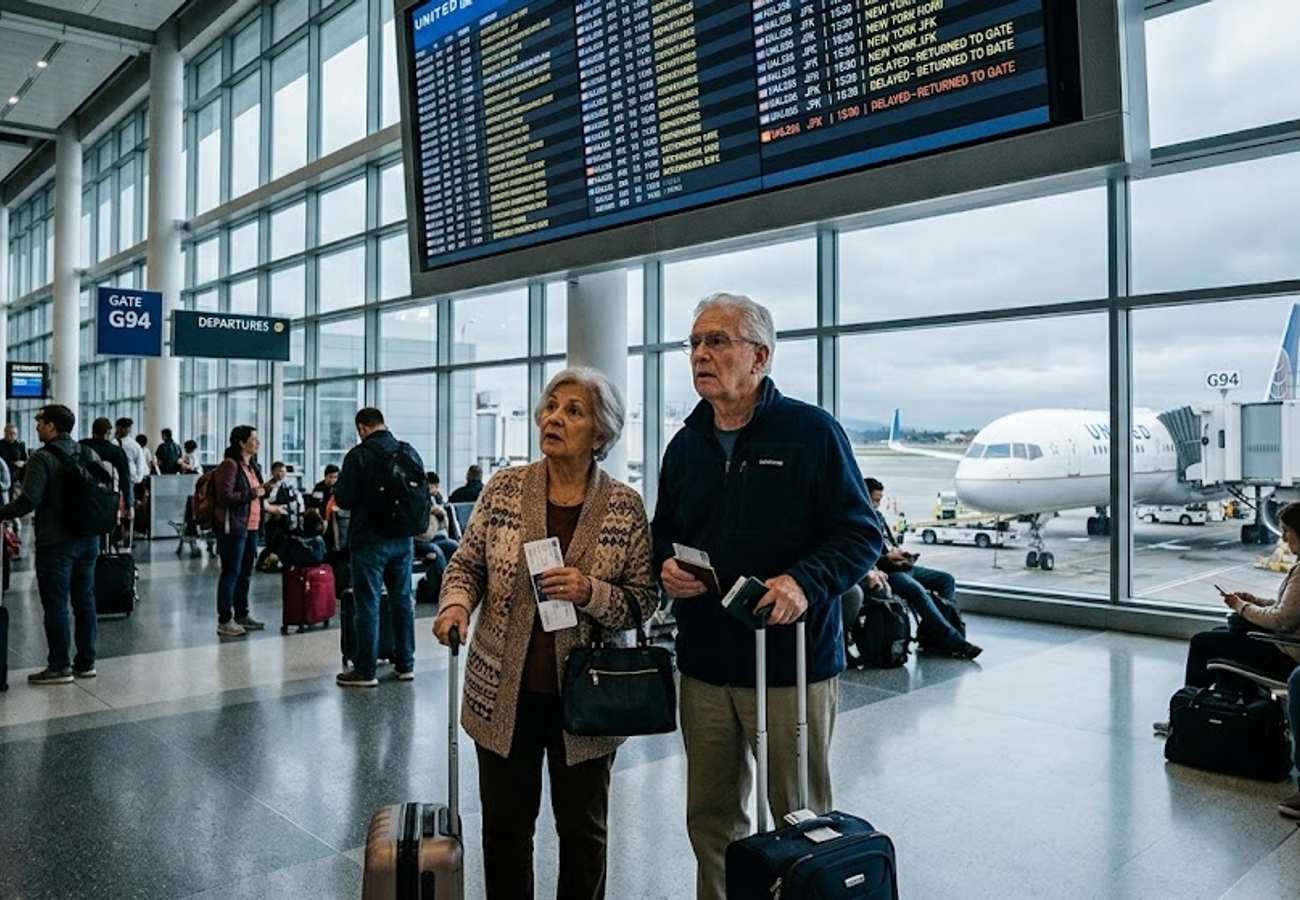
Image generated by AI
On July 19, 2026, United Airlines flight UAL336, operated by a Boeing 757-224, was forced to execute a mid-air U-turn shortly after departing San Francisco International Airport (SFO). The flight, which was scheduled to arrive in Washington at 19:11 EST, encountered operational complications that necessitated an immediate return to the originating hub.
The decision to return to SFO rather than divert to a secondary regional airport is a strategic operational move. By returning to a primary hub, the airline ensures the aircraft is positioned where comprehensive engineering teams and specialized spare parts are readily available.
Operational Breakdown of the UAL336 Diversion
Flight tracking data indicates that the twin-engine Boeing 757-224 had climbed steadily before the flight crew declared an operational issue. Air traffic controllers prioritized the aircraft's return, rerouting it through busy local airspace to ensure a safe landing.
The return to the origin hub serves two primary purposes:
- Technical Efficiency: Immediate access to United's full maintenance network.
- Logistical Mitigation: Avoiding the complexity of grounding a wide-body aircraft at a remote airfield with limited facilities.
Passenger Impact and Rebooking Protocols
When a flight returns to its origin, the airline activates hub-level customer service teams to manage the displaced passenger volume. For those on UAL336, the proximity to the SFO hub allowed for faster processing than a remote diversion would have permitted.
Travelers are advised to use digital applications for real-time updates, as automated systems typically prioritize alternative routing to Washington Dulles. Under standard aviation guidelines, the carrier is responsible for communicating baggage status and estimated departure times for replacement flights.
The Aircraft Swap Process at SFO
Replacing a mechanically compromised aircraft is significantly more efficient at a major base like SFO. United maintains reserve aircraft on standby to prevent a single technical failure from disrupting the broader transcontinental schedule.
The aircraft swap process involves:
- Manifest Verification: Gate crews match the original passenger list against the seating capacity of the replacement aircraft.
- Configuration Adjustments: While swapping a Boeing 757-224 may result in minor seating changes, it is the most effective way to minimize total travel delay.
- Cargo Transfer: Ground handlers coordinate the movement of checked luggage from the disabled aircraft to the new tail number.
Passenger Rights and Compensation Guidelines
Compensation for passengers on UAL336 depends on the total arrival delay and the nature of the ticket. Since the diversion was caused by a mechanical issue within the carrier's control, specific amenities are required.
Entitlements Based on Scenario
| Passenger Type | Entitlements | Condition |
|---|---|---|
| Local Passengers | Meal vouchers and refreshments | Standard delay period |
| Connecting/International | Hotel lodging and meals | Overnight delay |
| All Affected | Travel vouchers or frequent flyer miles | Subject to formal online claim |
Passengers are encouraged to retain all receipts for out-of-pocket expenses incurred during the disruption to support their formal claims.
Baggage Logistics During Hub Returns
The handling of luggage on a diverted flight requires precise synchronization between ramp agents and ground handlers. In the case of UAL336, the Boeing 757-224 returned to the gate, triggering a scanning process for hundreds of suitcases.
Generally, suitcases remain in the cargo hold until a replacement aircraft is assigned. This internal tracking system ensures that checked items move seamlessly to the final Washington destination without requiring passengers to reclaim their bags, unless they choose to cancel their travel entirely.
Safe travels depend on rigorous maintenance and rapid operational recovery.
Related Travel Guides
Disclaimer
This article is for informational and educational purposes only. It does not constitute legal, financial, or professional advice. While we strive to provide accurate and up-to-date information, travel policies, regulations, and conditions change rapidly. Always verify information with official sources before making travel decisions. Nomad Lawyer makes no representations about the accuracy, reliability, completeness, or suitability of the information provided. Readers should consult qualified professionals for advice specific to their circumstances. The views expressed in this article are those of the author and do not necessarily reflect the views of Nomad Lawyer.
Preeti Gunjan
Contributor & Community Manager
A passionate traveller and community builder. Preeti helps grow the Nomad Lawyer community, fostering engagement and bringing the reader experience to life.
Learn more about our team →