
United Airlines Flight UAL2769 Diverts to Chicago O’Hare After Technical Issue En Route to Denver
United Airlines flight UAL2769 was forced to divert back to Chicago O’Hare International Airport shortly after takeoff, prioritizing technical safety over its scheduled arrival in Denver.

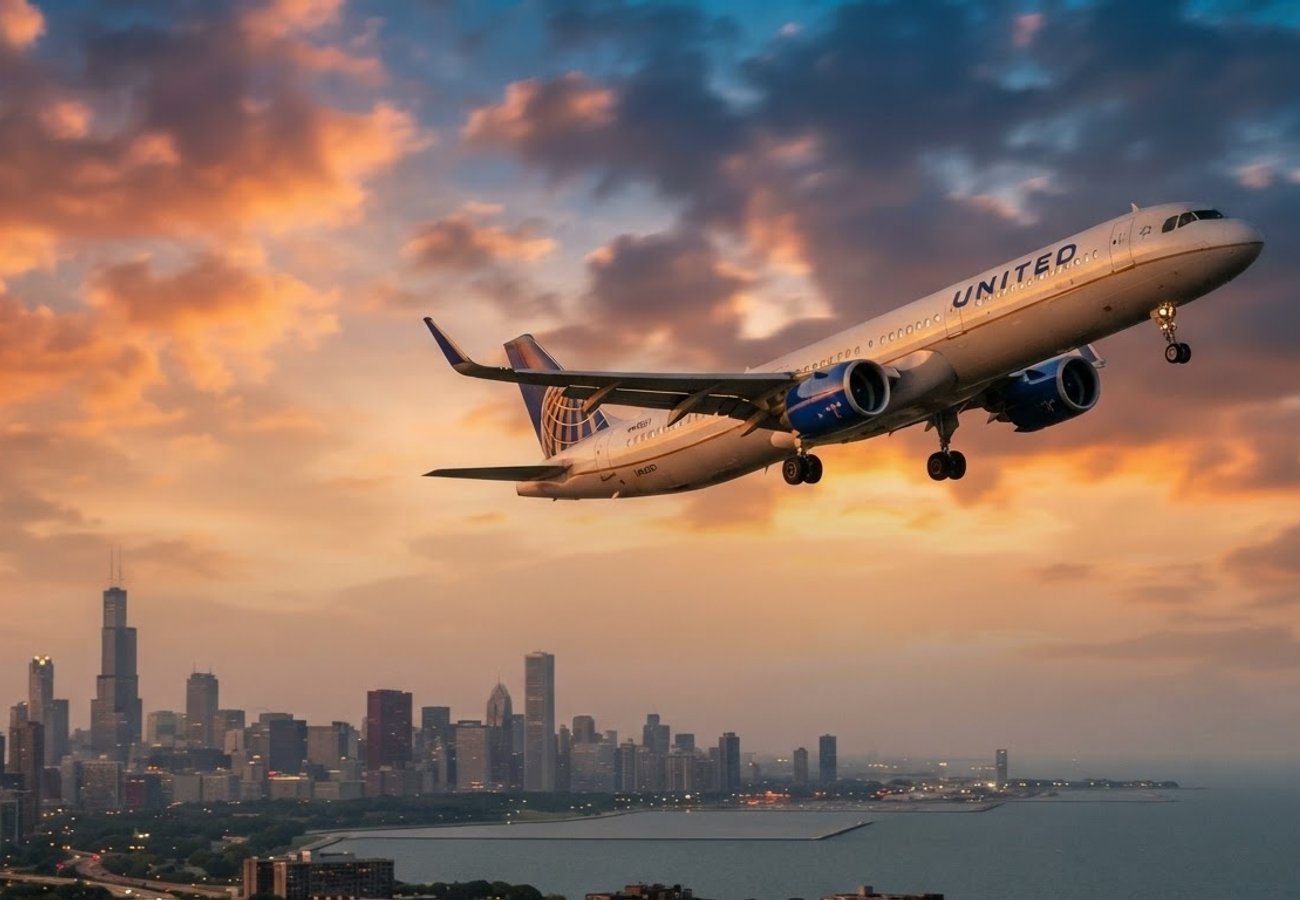
Image generated by AI
A precautionary return to Chicago O’Hare prevented a potential mid-flight escalation after technical indicators flagged an issue on United Airlines flight UAL2769.
United Airlines flight UAL2769, operated by an Airbus A321neo, was forced to abort its journey to Denver International Airport shortly after departure from Chicago. Despite being scheduled to land in Denver at 18:13 local time, the flight crew executed a turnaround maneuver to return to the origin airport.
The decision to divert was driven by real-time telemetry and technical indicators that prompted a ground evaluation. In aviation, returning to a primary maintenance hub is a standard safety protocol when minor operational signals appear, as it ensures immediate access to specialized engineering teams.
Technical Diagnostics and the Airbus A321neo
The aircraft utilized for UAL2769 is equipped with advanced sensor technology that monitors hydraulic, electronic, and mechanical components in real time. When system parameters drift outside of standard thresholds, automated alerts notify the cockpit immediately.
In this instance, the flight crew opted to prioritize a proactive safety check over the convenience of continuing toward Denver. By returning to Chicago O’Hare—a major operational fortress for United—the airline ensured the aircraft could be inspected at a facility with comprehensive spare parts and certified technicians.
Operational Sequence of the Diversion
The diversion was managed through a coordinated effort between the flight deck and Air Traffic Control (ATC).
- Airspace Management: ATC created dedicated corridors to allow UAL2769 a swift, unobstructed descent.
- Maneuvering: The aircraft performed a wide turning loop over the Midwest before aligning with the active runway.
- Landing: The touchdown was executed smoothly, with no incidents reported by air traffic controllers.
Passenger Impact and Itinerary Management
Passengers experienced a routine climb before the captain announced the necessity of the route change. Flight attendants maintained standard cabin procedures and briefed passengers on the early landing.
Upon arrival at the gate, United Airlines initiated customer assistance protocols to mitigate the disruption:
- Rebooking: Passengers were transferred to alternative flights bound for Denver.
- Support: Service desks provided updated boarding passes and meal vouchers.
- Communication: Ground agents worked to minimize arrival delays through rapid itinerary updates.
Maintenance and Safety Verification
Following the landing, certified engineers conducted an immediate technical inspection of the Airbus A321neo. Specialists analyzed the sensor logs and telemetry data—which had been transmitted to the ground while the plane was still airborne—to verify that all systems met civil aviation standards.
The aircraft remained grounded until absolute operational integrity was confirmed, reinforcing the industry standard that safety overrides scheduling.
Flight Summary and Diversion Details
| Flight Detail | Information |
|---|---|
| Flight Number | UAL2769 |
| Aircraft Model | Airbus A321neo |
| Origin Airport | Chicago O’Hare International Airport (ORD) |
| Intended Destination | Denver International Airport (DEN) |
| Scheduled Arrival (Denver) | 18:13 Local Time |
| Diversion Point | Chicago O'Hare International Airport (ORD) |
| Primary Reason | Technical Indicators / Precautionary Ground Evaluation |
| Incident Status | No incidents recorded by ATC |
Key Takeaways
- Safety First: The diversion of UAL2769 highlights the industry's shift toward proactive safety, where minor telemetry alerts trigger immediate returns to maintenance hubs.
- Hub Advantage: Returning to a primary base like Chicago O'Hare allows for faster diagnostic evaluations and access to specialized parts.
- ATC Coordination: Seamless integration between radar facilities and flight crews ensures that unexpected returns do not disrupt wider airfield operations.
Frequently Asked Questions
Why did UAL2769 return to Chicago instead of continuing to Denver? The crew identified technical indicators that required a ground evaluation. Returning to Chicago O'Hare provided immediate access to United's primary maintenance hub and certified engineers.
Was there an emergency on board UAL2769? No. The return was a precautionary measure based on diagnostic telemetry. Air traffic control recorded no incidents, and the landing was executed smoothly.
How were affected passengers handled? United Airlines provided meal vouchers and rebooked passengers on the next available flights to Denver to minimize travel delays.
Precision in diagnostics and a commitment to "safety-first" protocols turned a potential mid-air complication into a routine maintenance event.
Related Travel Guides
Disclaimer
This article is for informational and educational purposes only. It does not constitute legal, financial, or professional advice. While we strive to provide accurate and up-to-date information, travel policies, regulations, and conditions change rapidly. Always verify information with official sources before making travel decisions. Nomad Lawyer makes no representations about the accuracy, reliability, completeness, or suitability of the information provided. Readers should consult qualified professionals for advice specific to their circumstances. The views expressed in this article are those of the author and do not necessarily reflect the views of Nomad Lawyer.
Raushan Kumar
Founder & Lead Developer
Full-stack developer with 11+ years of experience and a passionate traveller. Raushan built Nomad Lawyer from the ground up with a vision to create the best travel and law experience on the web.
Learn more about our team →