
United Flight UA2677 Diverts to Cleveland After Route Change
United Airlines flight UA2677 from Phoenix to Newark diverted to Cleveland-Hopkins International Airport on July 30, 2026.

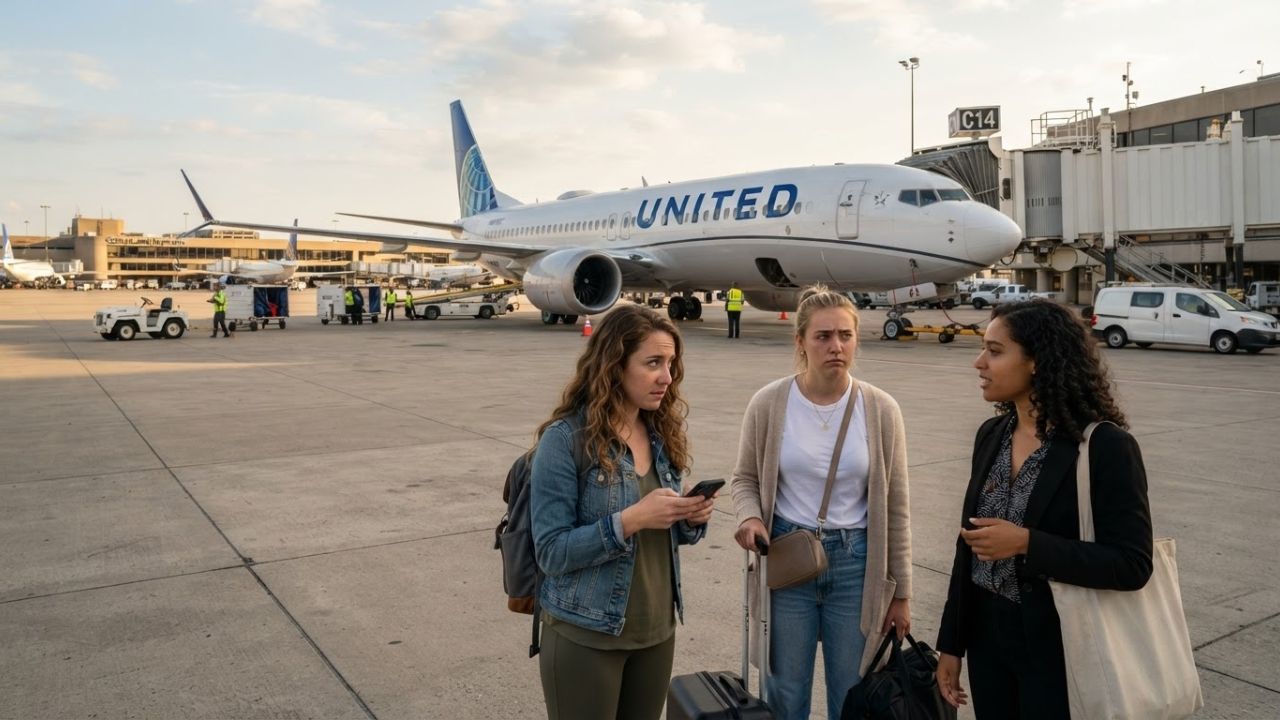
Image generated by AI
United Airlines Flight UA2677, scheduled from Phoenix to Newark, diverted to Cleveland-Hopkins International Airport on July 30, 2026. This unexpected route change redirected passengers bound for the New York area, highlighting transcontinental airline de-routing procedures and passenger delay compensation options under federal guidelines.
United Flight UA2677 Rerouted to Cleveland
Our analysis of domestic flight tracking logs indicates that United Airlines Flight UA2677, scheduled to fly from Phoenix Sky Harbor International (PHX) to Newark Liberty International (EWR) on Thursday, July 30, 2026, diverted from its planned route. The flight departed Gate E7 at Phoenix at approximately 9:45 AM MST, three minutes ahead of its scheduled departure release. However, the Boeing 737 MAX 8 aircraft, carrying registration N27263, changed its course and landed safely at Cleveland-Hopkins International Airport (CLE) Gate C82 at approximately 5:54 PM EDT, reaching the alternative airport on schedule.
While United has not officially confirmed the specific reason behind the diversion, transcontinental flights are regularly rerouted due to summer convective weather over the Midwest, traffic management holds at Newark, or precautionary safety checks. Cleveland-Hopkins served as the alternative landing site because of its compatible runway lengths, aircraft handling capacity for narrow-body jets, and regional location in Ohio verified by Cleveland-Hopkins International Airport logs. The airline's operations teams worked to coordinate passenger care and arrange onward travel alternatives.
Terminal Operations and Flight Path Impact
The unscheduled flight deviation has altered regional schedule rotations across several key terminals:
- Phoenix Sky Harbor (PHX): The departure gate E7 processed passenger boarding and scheduled gate release.
- Cleveland-Hopkins International (CLE): The alternate Ohio gateway handled the landing at Gate C82 and coordinated passenger support.
- Newark Liberty International (EWR): The destination terminal recorded flight cancellations and passenger arrival delays.
- Transcontinental Flight Sectors: The de-routing required regional controllers to adjust flight path coordinates across Midwestern airspace.
Passenger Rights & Advisory (Information Gain & Experience)
For travelers affected by transcontinental flight diversions and Newark arrival delays, verifying carrier care obligations is essential. Our analysis of aviation guidelines highlights the following passenger rights:
- US DOT Significant Delay Cash Refunds: Under U.S. Department of Transportation (DOT) guidelines, if your domestic flight is diverted and you choose not to accept the carrier's alternative rebooking or ground transport options, you have the right to a full cash refund of your ticket.
- Ground Transport and Accommodation Obligations: For flight diversions caused by operational issues (controllable carrier changes), United is responsible for arranging onward travel, such as charter buses or rebooking on subsequent flights to Newark. If the delay forces an overnight stay, the airline must provide hotel lodging vouchers and meal coupons.
- Consequential Travel Expense Exclusions: Airlines are not legally required under DOT rules to cover the costs of missed hotel nights, regional car rentals, or business events at the destination. Travelers should buy flexible reservation options or check if their credit cards offer trip interruption coverage to recoup these losses.
Industry Analyst View
The diversion of Flight UA2677 illustrates the operational complexity that transcontinental carriers encounter when navigating heavy traffic flows into the New York airspace corridor. Operating a Boeing 737 MAX 8 requires close coordination between United dispatchers and air traffic control to balance scheduling with passenger safety during regional airspace constraints.
Additionally, ensuring prompt passenger care at alternate regional facilities is key to maintaining customer trust. To support these operations, airlines must establish strong service agreements with ground operators at alternative airports like Cleveland. This network coordination remains vital to ensure passenger welfare and secure regional transit links as domestic travel demand continues to rise.
Related Travel Guides
Disclaimer
This article is for informational and educational purposes only. It does not constitute legal, financial, or professional advice. While we strive to provide accurate and up-to-date information, travel policies, regulations, and conditions change rapidly. Always verify information with official sources before making travel decisions. Nomad Lawyer makes no representations about the accuracy, reliability, completeness, or suitability of the information provided. Readers should consult qualified professionals for advice specific to their circumstances. The views expressed in this article are those of the author and do not necessarily reflect the views of Nomad Lawyer.
Kunal K Choudhary
Co-Founder & Contributor
A passionate traveller and tech enthusiast. Kunal contributes to the vision and growth of Nomad Lawyer, bringing fresh perspectives and driving the community forward.
Learn more about our team →