SkyWest Flight OO5129 Diverts Back to Houston Intercontinental

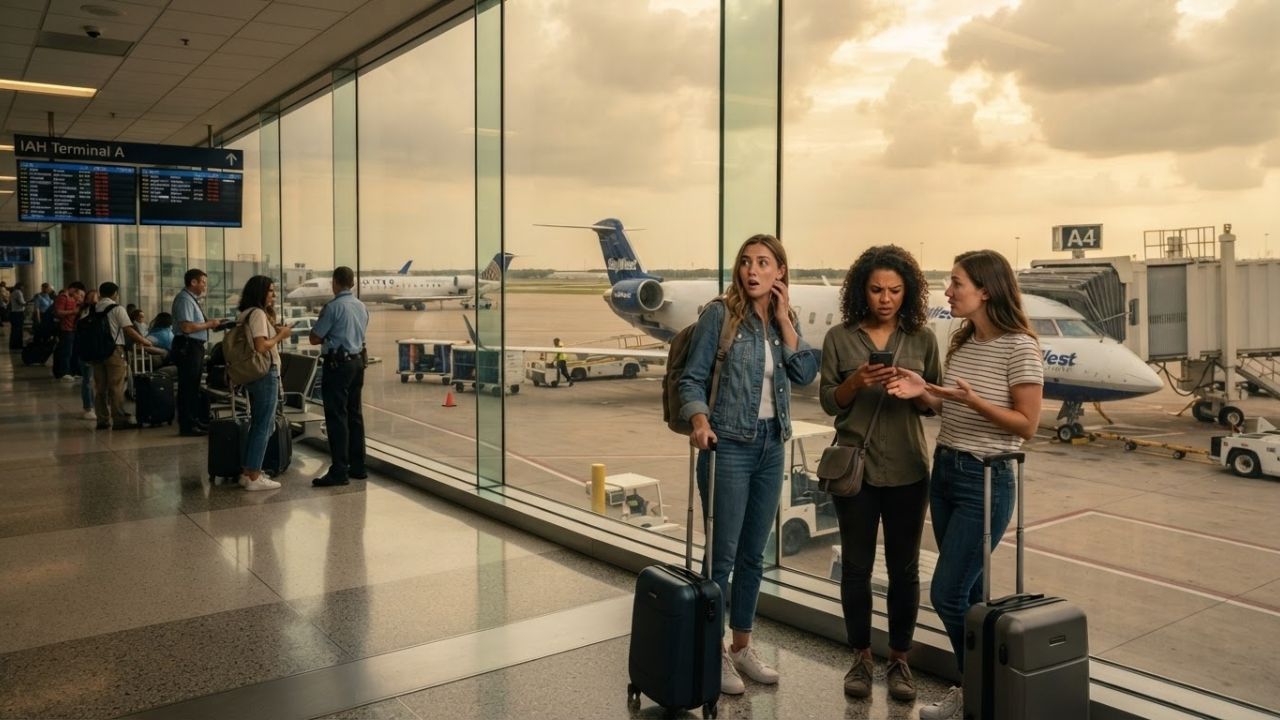
Image generated by AI
SkyWest Airlines Flight OO5129, scheduled from Houston to Montgomery, diverted back to Houston George Bush Intercontinental Airport on July 31, 2026. This unexpected turn-back delayed regional passengers bound for Alabama, highlighting regional jet de-routing procedures and passenger delay compensation options under federal guidelines.
SkyWest Flight OO5129 Rerouted to Houston
Our analysis of domestic flight tracking logs indicates that SkyWest Airlines Flight OO5129 (operating under the flight code SKW5129 on behalf of its mainline partner, United Airlines) diverted back to its departure hub on Friday, July 31, 2026. The flight departed Houston George Bush Intercontinental Airport (IAH) from Gate B55 at approximately 3:31 PM CDT, around 1 hour and 11 minutes later than its scheduled departure time of 2:20 PM. Instead of arriving in Alabama, the Bombardier CRJ2 regional jet, carrying registration N445SW, altered its course and landed safely back at Houston at approximately 5:08 PM CDT verified by George Bush Intercontinental Airport logs.
While SkyWest and United have not officially confirmed the specific reason behind the turn-back, regional flights are regularly redirected back to departure hubs to address precautionary maintenance alerts, manage severe weather patterns over the Gulf Coast, or respond to passenger medical needs. Houston Intercontinental served as the alternate landing site because of its extensive maintenance hangars, replacement aircraft options, and passenger rebooking facilities. Ground crews worked with dispatchers to manage the unscheduled landing and organize alternative travel arrangements.
Airport Terminals and Route Delay Impact
The unexpected route change has temporarily altered schedules across regional Southern terminals:
- Houston Intercontinental (IAH): The departure gate B55 processed passenger check-in and subsequently handled the flight's unscheduled return.
- Montgomery Regional Airport (MGM): The destination terminal recorded flight delays, affecting passenger arrivals and local ground transfers.
- Gulf Coast Flight Sectors: The de-routing required regional controllers to adjust flight path coordinates across Texas and Louisiana airspace.
- SkyWest Operations Desk: Dispatchers coordinated regional jet reassignments to minimize downstream network disruptions.
Passenger Rights & Advisory (Information Gain & Experience)
For travelers affected by regional airline delays and departure turn-backs, understanding carrier commitments under federal passenger frameworks is essential. Our analysis of aviation guidelines suggests travelers monitor their rights:
- US DOT Significant Delay Cash Refunds: Under U.S. Department of Transportation (DOT) guidelines, if your domestic flight is diverted back to the departure airport and you choose not to accept the carrier's alternative rebooking or ground transport options, you have the right to a full cash refund of your ticket.
- Mainline Partner Rebooking Responsibility: SkyWest operates flights on behalf of major airline partners, meaning the primary booking carrier (United Airlines) is responsible for passenger re-routing and ground transfer support to Montgomery. If the delay forces an overnight stay back in Houston, the ticketing carrier must provide lodging vouchers and meal coupons.
- Checked Baggage Delivery: Checked luggage is regularly processed back through the departure terminal baggage claim or held for the subsequent flight. Travelers should check baggage status at Houston or report missing bags at the customer service desk to secure a tracking record.
Industry Analyst View
The turn-back of Flight OO5129 highlights the operational flexibility required by regional carriers to manage Gulf Coast airspace challenges during peak summer travel seasons. Operating a Bombardier CRJ200 under a major carrier's brand requires close coordination between SkyWest dispatchers and United's central operations team to minimize downstream network delays.
Additionally, ensuring prompt passenger care at the departure terminal is key to maintaining customer trust. To support this demand, airlines must establish strong service agreements with ground operators at alternative airports and primary hubs. This network coordination remains vital to ensure passenger welfare and secure regional transit links as domestic travel demand continues to rise.
Related Travel Guides
This article is for informational purposes. Flight routes, passenger regulations, visa rules, and transit advisories are subject to change by airlines and aviation authorities. Readers are advised to verify schedules and travel documentation with relevant carriers and border agencies before departure.
Related Stories

Kuwait Airways Connects Gulf Travelers Directly to Phuket and Tbilisi in 2026 Route Expansion
European Flight Security Alerts: Seven Aircraft Undergo Emergency Bomb Inspections Across Spain, Italy, and Poland