
Airlines Revamp Premium Cabins with Unbundled Basic Business Class Fares
Air Canada, Emirates, Qatar Airways, and others are introducing Basic Business Class fares, separating luxury seats from traditional ground benefits.

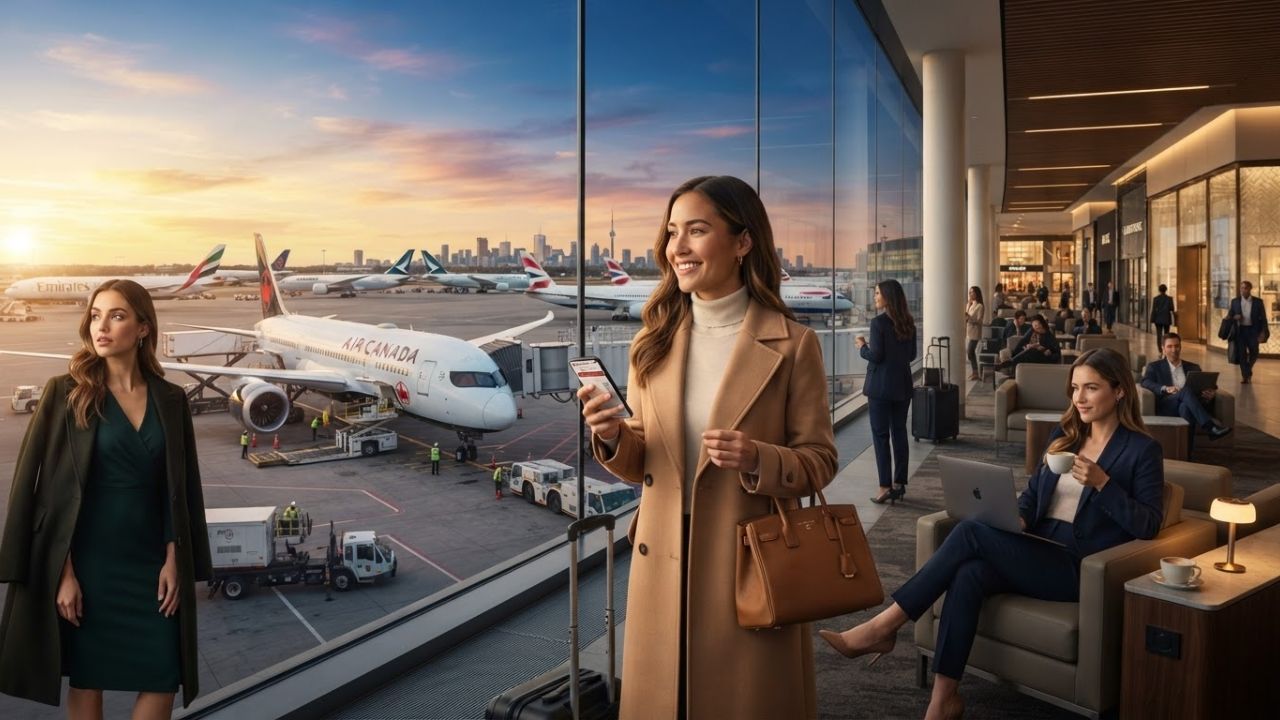
Image generated by AI
Air Canada has introduced unbundled Premium Economy Basic and Business Class Basic fares, joining global carriers like Emirates and Qatar Airways in separating premium seating from traditional ground privileges. This structural shift towards pay-only luxury offers lower entry prices for premium cabins, prompting travelers to monitor ticket flexibility rules and baggage restrictions before booking.
Airlines Unbundle Premium Fares for Price-Conscious Travelers
Our analysis of global airline pricing models indicates a structural shift in premium cabin pricing. On July 28, 2026, Air Canada launched its new Basic Business Class and Basic Premium Economy fares across selected Caribbean, Latin American, Mexican, South American, and transatlantic routes. These entry-level premium fares provide the core onboard experience—including the physical seat, complimentary meals, priority boarding, and priority baggage handling—but exclude or restrict traditional privileges like lounge access, ticket flexibility, and free seat selection.
This unbundled model mirrors similar strategies introduced by other major international carriers verified by International Air Transport Association (IATA) registers. Emirates offers Business Class Special fares that restrict chauffeur services and lounge eligibility, while Qatar Airways operates Business Class Classic with limited seat selection. Finnair's Business Light, Etihad Airways' Basic Business, and the Lufthansa Group's lower-tier premium fares similarly exclude airport lounge access and reduce checked baggage allowances to attract leisure travelers who prioritize onboard comfort over corporate services.
Airport Lounge and Terminal Operations Impact
The introduction of unbundled premium fares is altering passenger distribution across major international terminals:
- Air Canada Maple Leaf Lounges: Hub terminals manage lounge access for Basic Business Class passengers while excluding them from Signature Suites.
- Emirates and Qatar Airport Lounges: Hub lounges in Dubai and Doha adjust access eligibility checks based on specific ticket fare codes.
- Premium Check-In Corridors: Gateways process higher volumes of leisure premium passengers who have reduced baggage allowances.
- Global Hub Seat Allocation Zones: Cabin configurations manage restricted advance seat selections for lower-tier business ticket holders.
Passenger Rights & Advisory (Information Gain & Experience)
For travelers evaluating these unbundled premium options, verifying the fine print before booking is essential. Our analysis of passenger rights frameworks suggests travelers check the following:
- US DOT Ticket Cancellation Cash Refunds: Under U.S. Department of Transportation (DOT) guidelines, if your unbundled premium flight to or from the United States is cancelled and you decline the carrier's rebooking offer, you are entitled to a full cash refund of your ticket regardless of whether it is a basic or non-refundable fare.
- Non-Refundability and Flight Change Fees: Basic premium tickets are generally non-refundable, and voluntary changes incur substantial fees. Passengers requiring scheduling flexibility should compare these basic options with traditional flexible fare categories to avoid high itinerary change costs.
- Baggage and Lounge Upgrade Restrictions: Air Canada's Basic fares reduce checked baggage allowances to one complimentary piece, and Premium Economy Basic excludes Maple Leaf Lounge access. Travelers should verify if their credit cards or airline frequent flyer status provides lounge access or extra baggage waivers before paying for these additions.
Industry Analyst View
The unbundling of business and premium economy cabins demonstrates that airlines are adapting to a growing premium leisure travel market. By separating the physical cabin comfort from premium airport services, carriers can stimulate premium demand and optimize seat inventory without diluting corporate yields.
However, managing this tiered premium experience requires clear and consistent communications at booking to prevent passenger confusion at the airport. To support this tiered model, airlines must train gate and lounge agents to handle access inquiries. This communication is key to maintaining customer satisfaction and securing brand loyalty as the definition of premium travel continues to evolve.
Related Travel Guides
Disclaimer
This article is for informational and educational purposes only. It does not constitute legal, financial, or professional advice. While we strive to provide accurate and up-to-date information, travel policies, regulations, and conditions change rapidly. Always verify information with official sources before making travel decisions. Nomad Lawyer makes no representations about the accuracy, reliability, completeness, or suitability of the information provided. Readers should consult qualified professionals for advice specific to their circumstances. The views expressed in this article are those of the author and do not necessarily reflect the views of Nomad Lawyer.
Kunal K Choudhary
Co-Founder & Contributor
A passionate traveller and tech enthusiast. Kunal contributes to the vision and growth of Nomad Lawyer, bringing fresh perspectives and driving the community forward.
Learn more about our team →