
UK Tax-Free Shopping 2026: VAT Refund Debate, VisitBritain Forecasts, and Traveler Guide

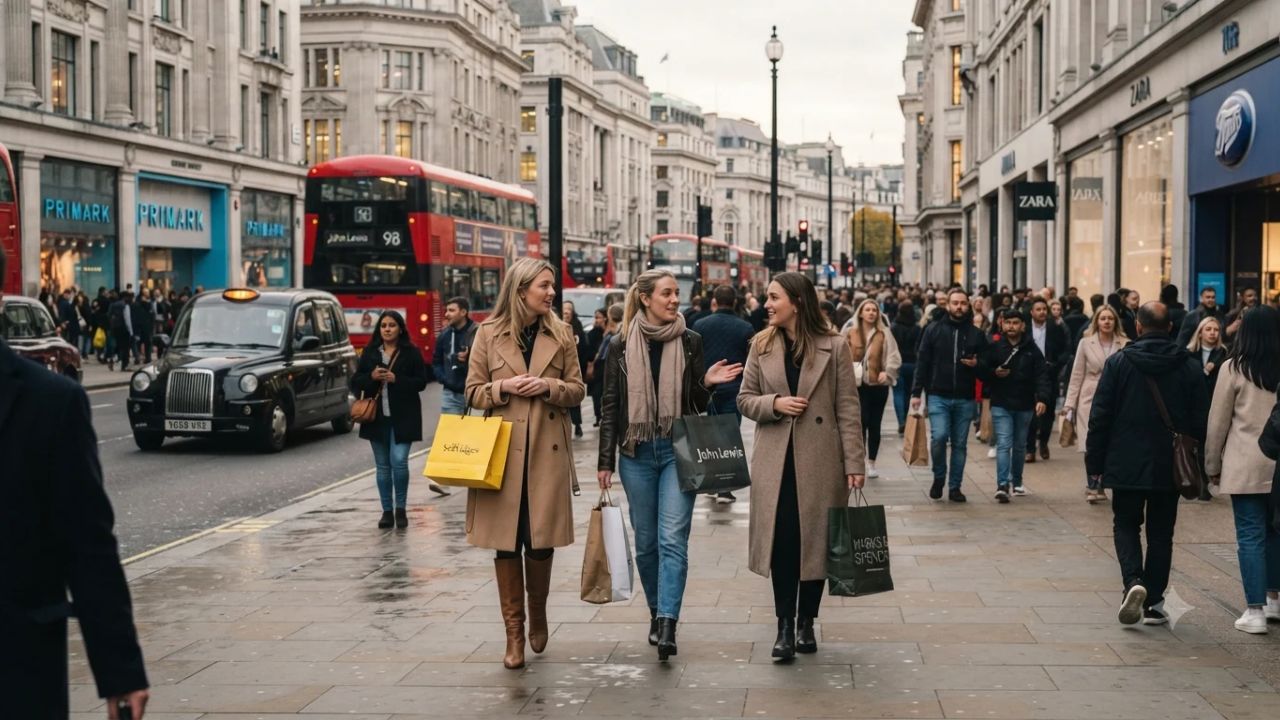
Although the UK expects 44.2 million international visitors to spend £33.9 billion in 2026, foreign traveler spending in real, inflation-adjusted terms remains stalled at just 90% of 2019 pre-pandemic levels. The ongoing absence of instant airport VAT refunds has ignited an intense national debate, highlighted by a political pledge on September 20, 2026, to restore tax-free shopping for non-EU visitors if the Conservative party returns to power.
For international travelers planning holidays across England, Scotland, and Wales, understanding the actual regulatory reality on the ground is essential. Despite political promises and headlines, the Great Britain VAT Retail Export Scheme abolished on 31 December 2020 remains inactive today. Navigating high-street shopping in London, Edinburgh, and regional retail districts requires knowing current customs rules, export delivery options, and currency planning.
The Policy Debate and Britain's 2026 Inbound Economy
The political proposal announced on September 20, 2026, led by Kemi Badenoch, aims to reinstate VAT refunds for eligible international travelers arriving from outside the European Union. Proponents argue that restoring tax-free retail will boost luxury shopping districts like Bond Street, Regent Street, and Knightsbridge, while generating spillover spending for hotels, restaurants, theaters, and regional rail lines.
Official data compiled by VisitBritain in its 27 August 2026 forecast indicates that overall inbound visits and nominal expenditure are projected to grow by 2% in 2026 compared to 2025. While nominal expenditure reaches 119% of 2019 figures, high inflation means actual purchasing volume is down. The Office for National Statistics (ONS) recorded 42.6 million overseas visits and £31.6 billion in expenditure for 2024, demonstrating that Britain's tourism economy relies heavily on retaining high-value international shoppers.
American and Gulf visitors represent the core drivers of this high-yield sector. VisitBritain projects 5.5 million United States visits to the UK in 2026, generating approximately £7.5 billion—more than one-fifth of all international visitor expenditure in the country. Meanwhile, travelers from Gulf Cooperation Council (GCC) nations contributed £2.2 billion across roughly one million visits in 2024, averaging an extraordinary £2,143 in spending per trip.
Payment transaction data from August 2026 reveals shifting consumer dynamics. While inbound card expenditure across Britain grew by 4% nominal (1% in real terms) in the first half of the year, June saw a 2% contraction in real terms, with average spend per trip reaching £406 as footfall dropped. To review official customs notices and current export requirements, travelers should verify details through GOV.UK.
What Makes UK Tourism Spending Different
Britain's retail and cultural environment offers an unmatched concentration of historic department stores, bespoke tailoring houses, and artisan markets within walking distance of world-class museums and royal palaces. London alone welcomed approximately 36 million overnight visitors in 2024—including 21 million international travelers—generating £20 billion in visitor spending, according to London City Hall data.
However, the divergence in tax policy between Great Britain and continental Europe has created distinct shopping behaviors. In cities like Paris or Milan, non-EU travelers can easily scan tax-free digital forms at airport customs kiosks to claim immediate cash or credit card VAT refunds. In contrast, under current rules across England, Scotland, and Wales, international visitors can only access zero-rated VAT purchases if participating retailers ship the merchandise directly to an overseas home address.
Northern Ireland operates under separate post-Brexit VAT arrangements, where eligible visitors can still access retail VAT refunds under specific conditions at participating stores. For travelers exploring the UK, this geographic distinction makes direct overseas shipping the only legal avenue for tax-free savings across the British mainland.
Visitor Insider Tips
To navigate shopping and budgeting across the United Kingdom efficiently in 2026, consider these local insights:
- Direct Store Shipping for Big-Ticket Items: If purchasing high-value items such as luxury watches, fine art, or bespoke suiting on Savile Row, request direct overseas delivery from the merchant. This legally waives the 20% UK VAT at checkout, though you must factor in international shipping and home country import duties.
- Factor the Electronic Travel Authorisation (ETA): Ensure your entry paperwork is in order before departure. Home Office figures show 2.2 million visitor visas granted alongside the progressive rollout of the ETA scheme for visa-exempt travelers.
- Explore Regional Heritage Corridors: Beyond London, the UK Government's Connected Destinations Fund—a £3.38 million initiative launched on 18 September 2026—is actively developing connected regional travel itineraries across Manchester, the Cotswolds, and Yorkshire.
- Leverage Free Cultural Institutions: Balance retail spending by taking advantage of Britain's permanent national museums and art galleries—such as the British Museum, Tate Modern, and National Galleries of Scotland—which offer free public admission.
- Card-Only Navigation: The vast majority of UK shops, black cabs, and public transport gates operate entirely cashless. Carry a travel credit card with zero foreign transaction fees to avoid unnecessary bank conversion surcharges. For comprehensive capital itineraries, consult Visit London.
Cultural and Environmental Context
The wider economic conversation surrounding British tourism extends beyond tax policy into questions of regional balance and sustainable growth. The UK government maintains an ambitious target to reach 50 million international visits annually by 2030, supported by the Visitor Economy Advisory Council.
A central challenge is dispersing visitor wealth outside the capital. London captures the lion's share of international expenditure, while regional historic cities and rural communities seek sustainable visitor spending to preserve heritage buildings, support independent craft guilds, and maintain local transport links.
Simultaneously, the UK retail sector is adopting stricter sustainability standards. Major department stores and independent boutiques are expanding garment repair services, circular fashion rental programs, and locally sourced heritage textiles. By encouraging visitors to invest in durable, British-made craftsmanship—from Scottish cashmere to Sheffield cutlery—the UK fosters a cultural tourism economy centered on lasting value rather than disposable consumption.
FAQ: UK Visitor VAT and Shopping 2026
Can tourists get an instant VAT refund at UK airports in 2026?
No, the airport VAT Retail Export Scheme in Great Britain was abolished at the end of 2020 and is not currently available.
How can overseas visitors buy goods tax-free in England, Scotland, or Wales?
You can buy goods without UK VAT only if the retailer arranges direct delivery to an overseas address outside the UK.
Does the Conservative VAT proposal apply immediately?
No, it is a political pledge conditional on a future Conservative government taking office and enacting new legislation.
What is the average expenditure forecast for international visitors in 2026?
VisitBritain projects total international expenditure of £33.9 billion across 44.2 million inbound visits in 2026.
While tax policies remain debated in Westminster, the timeless allure of Britain's historic shopping arcades and cultural quarters continues to captivate global travelers.
Related Travel Guides
Disclaimer
This article is for informational and educational purposes only. It does not constitute legal, financial, or professional advice. While we strive to provide accurate and up-to-date information, travel policies, regulations, and conditions change rapidly. Always verify information with official sources before making travel decisions. Nomad Lawyer makes no representations about the accuracy, reliability, completeness, or suitability of the information provided. Readers should consult qualified professionals for advice specific to their circumstances. The views expressed in this article are those of the author and do not necessarily reflect the views of Nomad Lawyer.
Naina Thakur
Contributor & Travel Specialist
Travel enthusiast and legal writer covering visa regulations, responsible tourism, and cultural journeys across global destinations.
Learn more about our team →