
Rajasthan Prohibits Night Safaris at Jawai Leopard Reserve in 2026
Rajasthan High Court bans night safaris and drone usage at Jawai Leopard Reserve in 2026. New restrictions limit safari operations to daylight hours, protecting endangered leopards from tourism disturbance.

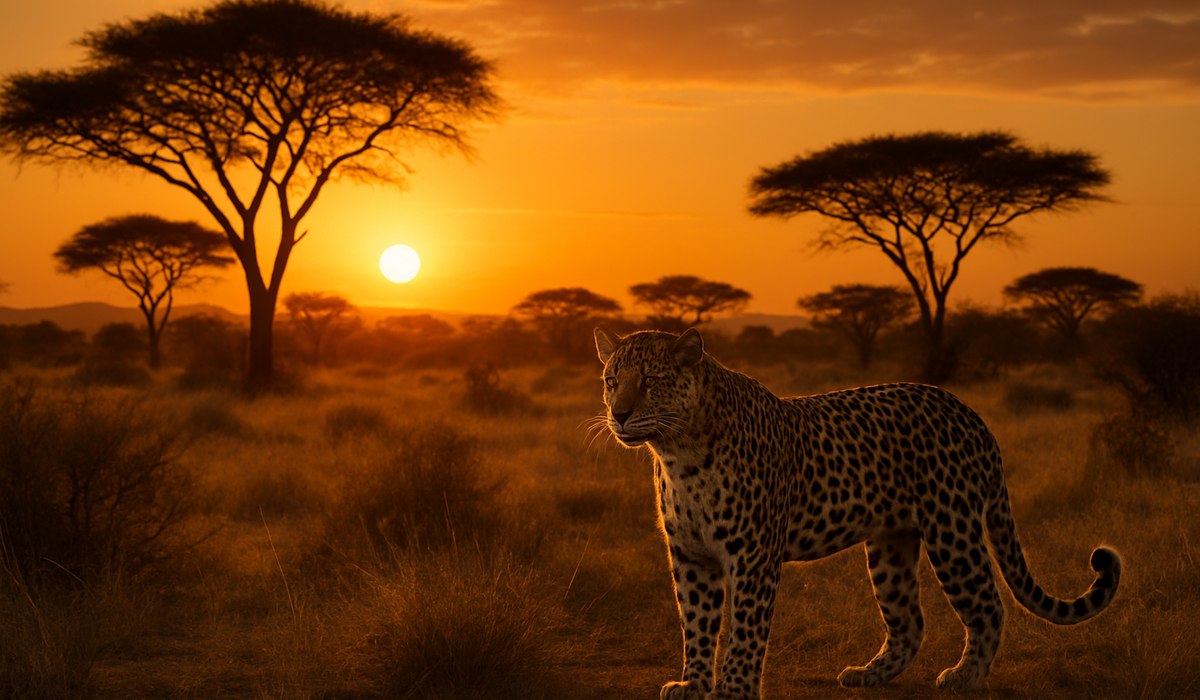
Image generated by AI
Rajasthan's Historic Wildlife Protection Order: Night Safaris Banned at Jawai Leopard Reserve
The Rajasthan High Court has issued a landmark ruling prohibiting night safaris and drone operations at Jawai Leopard Reserve, one of India's most significant leopard sanctuaries. The court mandate restricts all safari activities to daylight hours between 6 am and 7 pm, eliminating artificial lighting and aerial photography that disturb wildlife. This decision represents a pivotal moment in India's approach to balancing tourism with conservation, establishing strict environmental compliance measures that prioritize leopard protection over commercial tourism interests.
Court's Wildlife Protection Mandate at Jawai Leopard Reserve
The Rajasthan High Court's decision emerged from growing concerns about unregulated tourism harming the leopard population at Jawai Leopard Reserve. The judicial order aligns with India's constitutional environmental protection framework and international wildlife conservation standards. Officials determined that nocturnal safari operations and drone usage created significant stress for leopards, disrupting their natural behavioral patterns and feeding cycles.
The court's mandate specifically prohibits the use of artificial lights during evening hours, which can disorient nocturnal predators and interfere with hunting activities. Drones operating above the reserve disturb ground-nesting birds and make leopards increasingly wary of human presence. The ruling reflects a comprehensive understanding that sustainable tourism requires temporal and technological restrictions.
This order reinforces legal precedents where Indian courts have intervened in wildlife protection matters. The decision aligns with constitutional Article 51A, which mandates environmental protection as a fundamental duty of citizens. Learn more about India's wildlife protection laws through official government resources.
Revised Safari Timings and Operational Restrictions
Under the new regulations, Jawai Leopard Reserve safari operations must conclude by 7 pm, eliminating the popular twilight and night viewing sessions that attracted many international travelers. Morning safaris begin at 6 am, offering optimal wildlife viewing conditions when leopards are most active during cooler temperatures. This 13-hour operational window still provides substantial tourism opportunities while minimizing disturbance during critical nocturnal periods.
Safari operators must now modify their business models to accommodate these daytime-only restrictions. All guides must receive updated training on the new regulations and environmental compliance procedures. Vehicles cannot use high-intensity spotlights or artificial illumination to locate wildlife, fundamentally changing the safari experience.
The prohibition extends to all drone operations, including commercial photography and videography conducted by tourism operators. Violators face substantial penalties and potential license revocation. These restrictions represent the most stringent safari regulations in Rajasthan's tourism sector, setting a precedent for other wildlife reserves across India.
The revised timings actually align with ecological science, as daytime safaris provide superior leopard viewing opportunities without technological aids or evening interventions.
Impact on Tourism and Conservation Goals
Rajasthan prohibits night safaris, creating immediate operational challenges for the tourism industry while delivering substantial conservation benefits. The Jawai Leopard Reserve generates approximately 40-50% of its annual revenue during evening and night safari operations, meaning the ban represents a significant financial adjustment for local operators and guides.
However, conservation scientists emphasize that protecting the leopard population ensures long-term tourism sustainability. The reserve currently hosts approximately 40-50 leopards, making it one of Asia's densest leopard populations. Without protective measures, increasing tourism pressure could force leopards to abandon the area entirely, devastating the regional economy permanently.
The court's decision positions Jawai Leopard Reserve as a model for responsible wildlife tourism. International travelers increasingly prioritize ethical wildlife experiences over quantity-based tourism activities. This shift toward conservation-first tourism may actually enhance Jawai's reputation among responsible global travelers.
Local communities dependent on leopard tourism must now diversify their service offerings. Daytime safari packages can include nature walks, bird-watching expeditions, and cultural experiences with indigenous communities in the region. Conservation-focused tourism often attracts higher-paying travelers willing to support environmental protection initiatives.
Legal Framework and Environmental Compliance
The Rajasthan High Court's ruling operates within India's comprehensive wildlife protection legal structure. The Wildlife Protection Act of 1972 grants courts authority to regulate activities affecting protected species. Jawai Leopard Reserve carries designation as a critical wildlife habitat, elevating legal protections above standard national parks.
Operators must now implement robust compliance mechanisms, including GPS-tracked vehicles and visitor permits with specific time restrictions. The reserve administration will conduct regular audits ensuring adherence to mandated operational hours. Violations result in hefty fines and potential business closure.
This legal framework extends beyond Rajasthan, as other states with significant leopard populations monitor the decision's implementation. The precedent could influence wildlife management policies across India, particularly in densely touristed reserves like Ranthambore and Tadoba-Andhari.
Environmental compliance costs will increase for safari operators, including new monitoring technology and staff retraining. Tourism boards anticipate operators will pass these costs to travelers through slightly elevated safari package prices, though conservation-conscious visitors typically accept these increases.
Best Time to Visit Jawai Leopard Reserve
October through March represents the optimal season for Jawai Leopard Reserve visits, coinciding with cooler temperatures and reduced rainfall. During these months, leopards are more visible during daylight hours, and excellent wildlife viewing occurs between 6 am and 7 pm under the new operational restrictions.
November and December offer the best wildlife visibility, with comfortable weather conditions and minimal vegetation obscuring animal sightings. Morning safaris departing at 6 am capitalize on peak leopard activity during sunrise hours. Afternoon departures around 3-4 pm position visitors for golden hour lighting ideal for wildlife photography.
April through September brings monsoon rains and higher humidity, reducing visibility and increasing health risks for travelers. Leopards tend to remain concealed during these wetter months when prey availability increases in vegetation-rich habitats.
The new daylight-only safari restrictions actually enhance visitor experiences during peak season, eliminating night vision goggles and artificial lighting that previously detracted from natural wildlife observation. Authentic wildlife viewing aligns better with sustainable tourism principles.
How to Get There
Jawai Leopard Reserve sits approximately 240 kilometers southwest of Jaipur, Rajasthan's capital city. Visitors can reach the reserve via multiple transportation routes:
By Air: Jaipur International Airport (JAI) receives daily flights from major Indian cities including Delhi, Mumbai, Bangalore, and Hyderabad. International carriers like Air India and IndiGo service the airport extensively.
By Road: From Jaipur, drive 5-6 hours south toward Jodhpur, then proceed southeast to Jawai. The journey requires navigating National Highway 62 through Rajasthan's arid landscape. Rental vehicles with professional drivers provide comfortable transportation.
By Rail: Jodhpur railway station, approximately 200 kilometers from Jawai, connects to major cities via Indian Railways. From Jodhpur, hire vehicles for the 4-hour drive to the reserve.
Local Transportation: Once arriving at nearby towns like Bhimarlai or Sumerpur, jeep safaris depart from designated entry points. Reserve accommodations typically arrange safari logistics and transportation from nearby villages.
Key Data Table: Jawai Leopard Reserve Operational Guidelines
| Aspect | Details |
|---|---|
| Safari Operating Hours | 6:00 am – 7:00 pm (Daylight Only) |
| Artificial Lighting | Prohibited |
| Drone Operations | Completely Banned |
| Reserve Area | 481 square kilometers |
| Leopard Population | Approximately 40-50 individuals |
| Best Visiting Season |
Disclaimer
This article is for informational and educational purposes only. It does not constitute legal, financial, or professional advice. While we strive to provide accurate and up-to-date information, travel policies, regulations, and conditions change rapidly. Always verify information with official sources before making travel decisions. Nomad Lawyer makes no representations about the accuracy, reliability, completeness, or suitability of the information provided. Readers should consult qualified professionals for advice specific to their circumstances. The views expressed in this article are those of the author and do not necessarily reflect the views of Nomad Lawyer.
Raushan Kumar
Founder & Lead Developer
Full-stack developer with 11+ years of experience and a passionate traveller. Raushan built Nomad Lawyer from the ground up with a vision to create the best travel and law experience on the web.
Learn more about our team →