
UK Canal Network Faces Severe Water Crisis as Canal & River Trust Implements 2026 Drought Restrictions
The Canal & River Trust has launched urgent water-saving measures across the UK canal network to combat prolonged drought and protect navigation for boaters and wildlife.

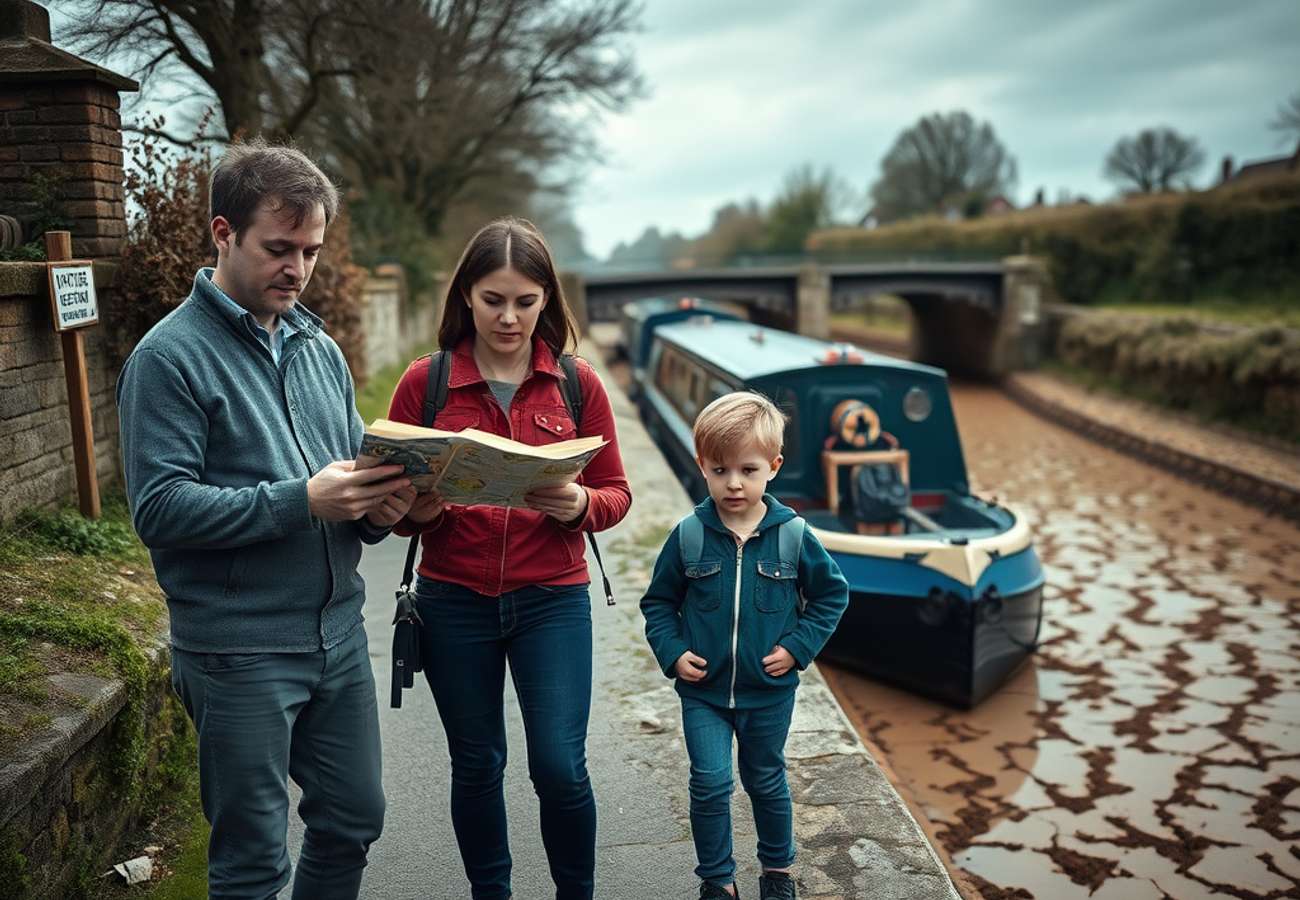
Image generated by AI
[London, August 2, 2026] — A prolonged period of extreme dry weather has pushed the United Kingdom’s historic canal system toward a critical water deficit, prompting the Canal & River Trust to implement emergency conservation protocols. The charity, which manages thousands of miles of inland waterways, is now aggressively regulating reservoirs and groundwater flows to prevent total navigation failure during the peak summer travel window.
The crisis has created immediate logistical hurdles for the boating community, regional tourism operators, and local businesses that rely on the flow of traffic through the network. By utilizing advanced data modeling, water management teams are currently determining where temporary closures or strict usage limits must be enforced to ensure the survival of the ecosystem and the continued viability of the waterways.
Strategic Water Conservation Measures for Navigation
Because the UK canal system operates on a delicate hydrological balance, any significant drop in rainfall directly threatens the ability to move vessels. The Canal & River Trust has identified lock operations as a primary driver of water loss; each time a lock is cycled, massive volumes of water are transferred between sections, which can rapidly deplete a struggling reach.
To mitigate this, the Trust has deployed a series of targeted interventions aimed at reducing waste and optimizing the movement of existing supplies. These actions are not merely operational but are essential for preventing the complete drying out of vulnerable canal stretches.
The current conservation framework includes:
- Imposing strict limitations on lock usage in high-pressure zones.
- Continuous real-time monitoring of reservoir capacities and groundwater availability.
- Accelerating leak repairs and upgrading water-efficiency infrastructure.
- Issuing official stoppage notices to provide updated navigation guidance.
- Collaborating with the boating community to minimize avoidable water waste.
Industry reports indicate that the age of the infrastructure complicates these efforts. Many of these canals were engineered over two centuries ago using clay-lined beds. Over time, these structures have become porous, allowing water to seep into the ground—a process that accelerates during extreme heat.
The Hydrological Challenge of Historic Waterways
Unlike modern municipal water grids, the British canal network is a hybrid of natural feeders and artificial reservoirs. When rainfall ceases, the primary sources—rivers and groundwater—drop, creating a cascading effect across the network.
Officials have noted that maintaining maximum water levels is actually counterproductive during a drought. Higher water levels increase the hydrostatic pressure on the ancient canal beds, which in turn increases the rate of leakage. Consequently, the Trust often maintains "lower operational levels" to slow the loss of water and extend the period during which the canals remain navigable.
This shift in strategy is a response to changing climate patterns that are producing more frequent and intense dry spells. The Trust is now moving away from reactive measures toward a long-term resilience strategy that integrates immediate drought response with permanent infrastructure hardening.
Navigation Alerts and Boater Requirements
For the thousands of continuous cruisers and holiday boaters operating across England and Wales, the current situation introduces significant instability into travel itineraries. The Canal & River Trust has issued warnings that navigation restrictions may expand rapidly depending on weather shifts.
To maintain safety and water security, boaters are urged to follow a specific set of preparatory guidelines:
| Action Item | Recommended Procedure |
|---|---|
| Notice Monitoring | Regularly check official stoppage notices for local closures |
| Mooring Strategy | Return to home moorings where feasible to reduce lock usage |
| Facility Access | Avoid obstructing essential water points for other users |
| Resource Management | Fill fuel and water tanks prior to the onset of restrictions |
| Waste Disposal | Empty waste tanks and secure essential supplies |
Notably, the Trust has stated that any forced reductions in movement due to drought will be taken into account when reviewing the movements of continuous cruisers, ensuring that those restricted by water levels are not unfairly penalized.
Ecological Impact and Tourism Risks
The water crisis extends beyond the movement of boats. The UK canal network serves as a vital green corridor, providing essential habitats for various fish, bird, and insect species. Low water levels threaten these biodiversity hotspots, forcing the Trust to coordinate with environmental experts to protect wildlife from total habitat loss.
From an economic perspective, the drought threatens the narrowboat tourism industry. Walking trails, cycling paths, and waterside hospitality businesses depend on the aesthetic and functional presence of water. While the Trust is working to keep as many areas open as possible, extended restrictions during the summer peak could lead to significant revenue losses for regional tourism.
Long-Term Infrastructure and Investment Goals
To prevent the recurrence of such crises, the Canal & River Trust is shifting its focus toward long-term water security. This involves a comprehensive review of all proposed developments—including new marinas—to ensure they do not place unsustainable demands on the existing water supply.
A major component of this strategy is the modernization of reservoirs. The charity is currently investing in critical reservoir works to meet modern safety standards and improve reliability. While some of these projects may temporarily lower water levels to allow for construction, they are viewed as a necessary trade-off for the long-term survival of the network.
The future of the UK's inland waterways now depends on a transition toward "responsible water management." The balance between recreation, heritage preservation, and environmental conservation will require unprecedented cooperation between the governing body and the users of the canal system.
As weather patterns become more volatile, the ability to navigate Britain's historic canals will increasingly depend on how strictly these water-saving measures are enforced.
Related Travel Guides
Disclaimer
This article is for informational and educational purposes only. It does not constitute legal, financial, or professional advice. While we strive to provide accurate and up-to-date information, travel policies, regulations, and conditions change rapidly. Always verify information with official sources before making travel decisions. Nomad Lawyer makes no representations about the accuracy, reliability, completeness, or suitability of the information provided. Readers should consult qualified professionals for advice specific to their circumstances. The views expressed in this article are those of the author and do not necessarily reflect the views of Nomad Lawyer.
Kunal K Choudhary
Co-Founder & Contributor
A passionate traveller and tech enthusiast. Kunal contributes to the vision and growth of Nomad Lawyer, bringing fresh perspectives and driving the community forward.
Learn more about our team →