
UAE Flight Disruptions 2026: Air Astana Suspends Services and Jazeera Airways Issues Travel Advisory
Air Astana and Jazeera Airways adjust operations amid shifting regional security conditions in the UAE and Gulf airspace, impacting flight schedules and routing.

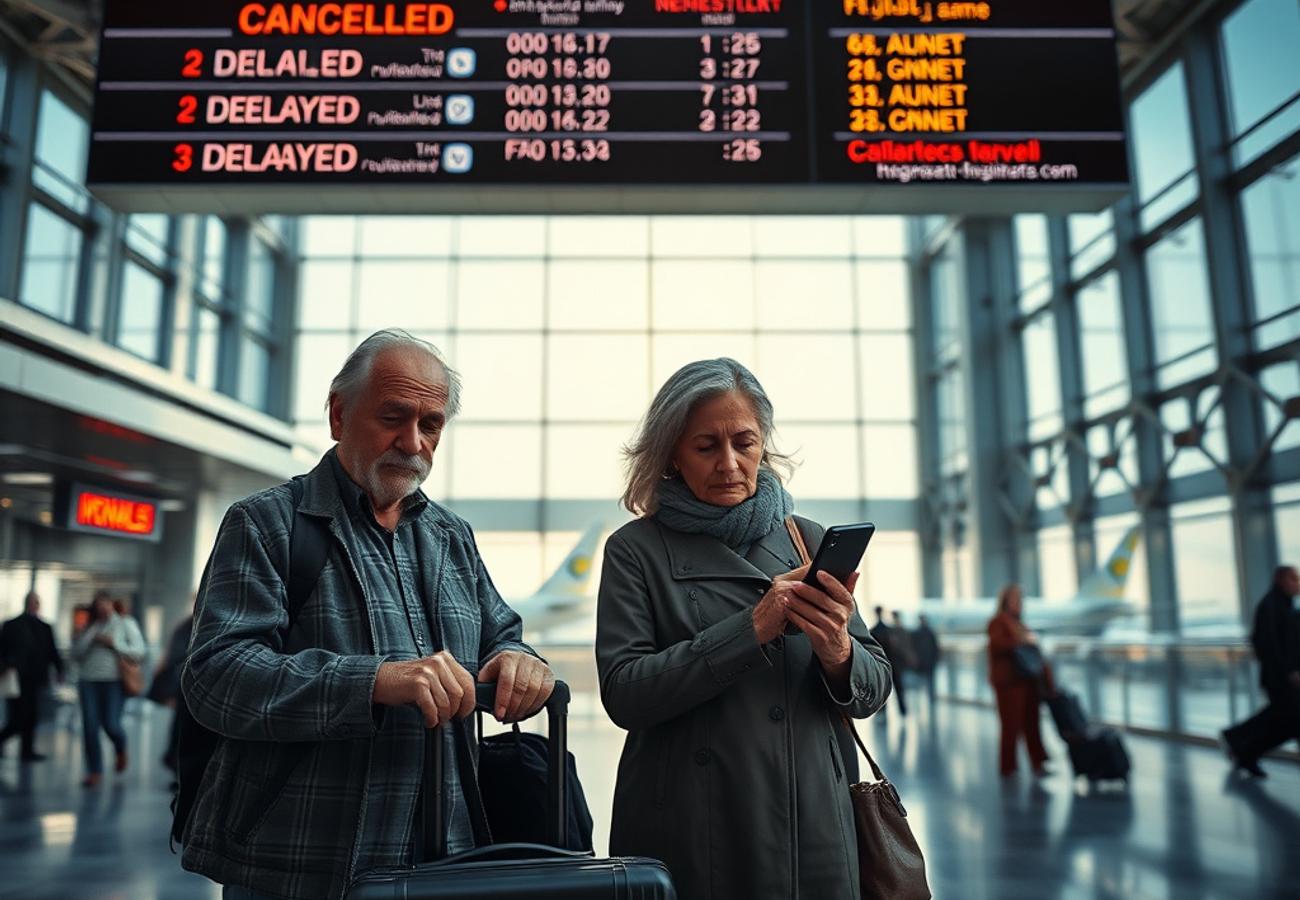
Image generated by AI
Aviation operations across the Gulf are currently experiencing significant volatility as carriers recalibrate their schedules in response to shifting regional security dynamics. The most recent developments include a sudden service suspension by Air Astana and a strategic travel advisory from Jazeera Airways, signaling a period of instability for passengers transiting through the United Arab Emirates and neighboring states.
While regional airports remain open and operational, the frequency of route reviews has increased to a near-daily basis. This environment makes real-time monitoring of flight status essential for any traveler moving through the Middle East.
Air Astana Reverts to Service Suspensions in UAE
In a sharp reversal of recent plans, Air Astana has once again halted selected flight services between Kazakhstan and the United Arab Emirates. This decision follows a brief window where the airline had announced the resumption of routes connecting Astana and Almaty with Dubai.
The carrier has categorized this move as a precautionary measure, citing the need to monitor regional developments closely. This "stop-start" operational pattern underscores the unpredictability of the current security climate, where flight availability can change in a matter of days.
Passengers affected by these suspensions are being directed toward rebooking options or full refunds, administered according to the airline's standard corporate policies.
Jazeera Airways Alerts Passengers to Airspace Volatility
Jazeera Airways has issued a formal travel advisory specifically for passengers utilizing Kuwait International Airport. The airline warns that intermittent restrictions within regional airspace are likely to cause operational ripples, including:
- Revised departure and arrival timings.
- Unexpected flight delays.
- General itinerary adjustments.
Unlike a total suspension of service, Jazeera Airways is maintaining its operations but urging passengers to ensure their contact information is current. This allows the airline to push immediate notifications regarding schedule shifts, reducing the risk of passengers arriving at the airport for cancelled or delayed flights.
The Role of EASA Conflict-Zone Guidance
The current operational shifts are not isolated decisions by individual airlines but are heavily influenced by international safety standards. The European Union Aviation Safety Agency (EASA) recently reinstated stringent conflict-zone guidance affecting the Gulf region.
EASA has specifically advised operators to avoid the airspace of the following entities:
- United Arab Emirates
- Kuwait
- Qatar
- Bahrain
- The Gulf of Oman
Furthermore, existing advisories remain active for Lebanon, Iraq, and Iran. While these guidelines are primarily directed at European carriers, they set a global benchmark for risk assessment. Most international airlines adopt similar caution to maintain insurance compliance and passenger safety, leading to the widespread rerouting observed today.
Why Rerouting Causes Delays Without Cancellations
It is important for travelers to understand that a "functioning" flight does not always mean an "on-time" flight. When airlines avoid high-risk zones identified by EASA, they must implement alternative flight paths.
These detours create a domino effect across the aviation network:
- Extended Flight Duration: Longer paths increase time in the air and fuel consumption.
- Network Cascading: A delay in one arrival affects the departure of the next scheduled leg.
- Logistical Strain: Aircraft and crew rotations are disrupted, leading to last-minute timetable revisions.
- Connection Risks: Increased flight times can lead to missed connections at major Gulf hubs.
Strategic Divergence in Airline Responses
There is currently no unified industry response to the Gulf security situation. The aviation landscape is split into three primary strategies:
- Aggressive Resumption: Some carriers are attempting to restart services as soon as a window of stability appears.
- Adaptive Routing: Many airlines continue to operate but use circuitous paths to bypass restricted airspace.
- Precautionary Suspension: Carriers like Air Astana are opting for total halts on specific routes until a higher threshold of security is guaranteed.
Because of this divergence, passengers cannot assume that the status of one airline reflects the status of another.
Essential Mitigation Steps for Travelers
To navigate these disruptions, travelers should move away from relying on static itineraries and adopt a dynamic monitoring approach.
- Verify Status Pre-Departure: Check the flight status via the official app or website immediately before leaving for the airport.
- Audit Connections: If transiting through a Gulf hub, double-check the viability of onward connections given the likelihood of rerouting delays.
- Enable Push Alerts: Ensure mobile app notifications and email alerts are active for real-time updates.
- Buffer Time: Arrive at the airport earlier than usual to account for potential schedule shifts or increased security screening.
Regional Airspace Outlook
Aviation authorities and security experts continue to provide real-time data to carriers. The restoration of suspended routes or the introduction of new flight paths will depend entirely on the evolution of the security environment. Until stability returns, the industry will likely continue to prioritize safety and risk mitigation over schedule adherence.
The volatility of Gulf airspace ensures that flexibility remains the most valuable asset for any traveler in 2026.
Related Travel Guides
Disclaimer
This article is for informational and educational purposes only. It does not constitute legal, financial, or professional advice. While we strive to provide accurate and up-to-date information, travel policies, regulations, and conditions change rapidly. Always verify information with official sources before making travel decisions. Nomad Lawyer makes no representations about the accuracy, reliability, completeness, or suitability of the information provided. Readers should consult qualified professionals for advice specific to their circumstances. The views expressed in this article are those of the author and do not necessarily reflect the views of Nomad Lawyer.
Preeti Gunjan
Contributor & Community Manager
A passionate traveller and community builder. Preeti helps grow the Nomad Lawyer community, fostering engagement and bringing the reader experience to life.
Learn more about our team →