
Lockheed Once Built A Reconnaissance Aircraft That Set A Speed Record In 1976 That No Crewed Jet Has Beaten Since
The Lockheed SR-71 Blackbird was one of the most extraordinary aircraft ever built, setting a speed record in 1976 that remains unbeaten by any crewed jet to this day. Originally developed by Lockheed's Skunk Works during the Cold War, this long-range reconnaissance aircraft was designed to outrun threats rather than engage in direct combat.

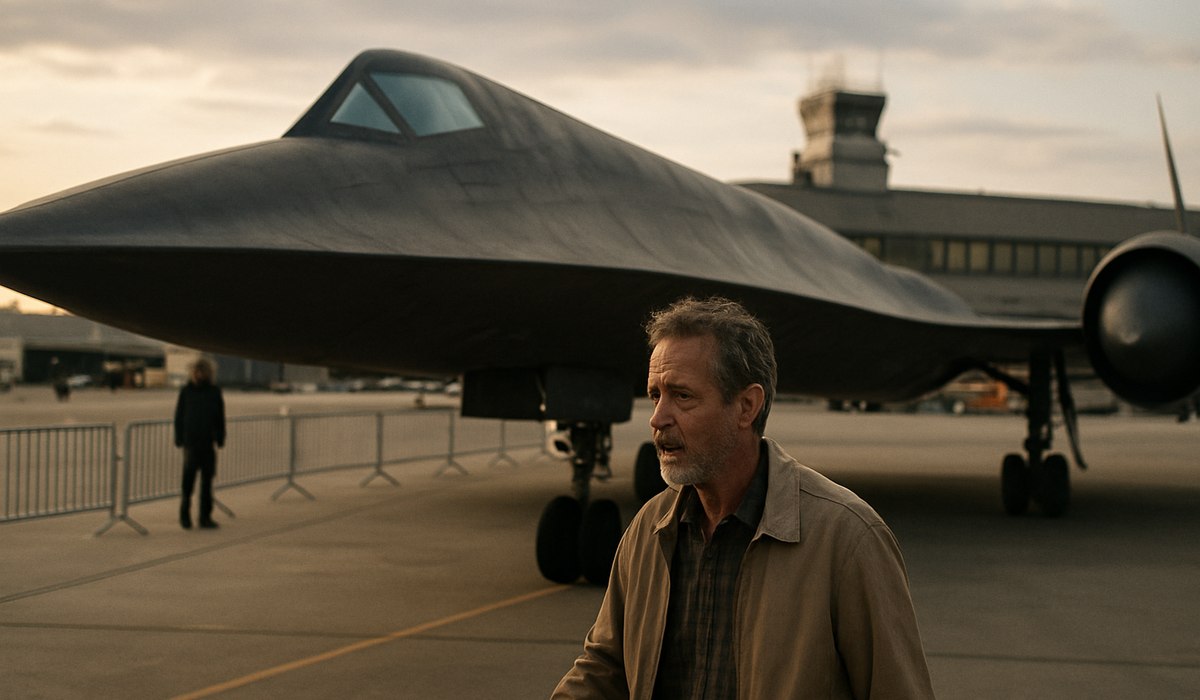
Image generated by AI
Lockheed Once Built A Reconnaissance Aircraft That Set A Speed Record In 1976 That No Crewed Jet Has Beaten Since
The Legendary SR-71 Blackbird: A Marvel of Cold War Engineering
The Lockheed SR-71 Blackbird was one of the most extraordinary aircraft ever to take to the skies. The plane was a long-range, high-altitude reconnaissance jet designed during the Cold War to outrun threats rather than directly fight them. Originally developed by Lockheed's Skunk Works and introduced in the 1960s, the Blackbird was built for strategic intelligence missions over vast distances, gathering imagery and electronic data at speeds and altitudes that made interception extremely difficult (if not impossible).
Engineering Excellence and Innovation
What set the SR-71 Blackbird apart from any other aircraft of its era was its revolutionary design and construction. The aircraft was manufactured using special titanium alloys that could withstand the extreme temperatures generated by sustained hypersonic flight. At maximum speed, the airframe would heat up to approximately 900 degrees Fahrenheit, yet the innovative engineering ensured the aircraft remained structurally sound and operational.
The aerodynamic design was equally impressive, with a sleek delta-wing configuration that minimized drag while maximizing stability at supersonic speeds. Every element of the aircraft was optimized for one purpose: achieving and maintaining unprecedented velocity while conducting sensitive reconnaissance missions.
The Speed Record That Still Stands
In 1976, the SR-71 Blackbird achieved a speed record that has not been surpassed by any crewed jet aircraft in the fifty years since. The aircraft reached speeds exceeding Mach 3.3, making it the fastest piloted aircraft ever flown. This remarkable achievement represents a milestone in aviation history that remains unmatched by any subsequent crewed aircraft program.
The combination of advanced propulsion systems, lightweight construction, and aerodynamic perfection allowed the Blackbird to achieve speeds that were thought impossible for crewed flight at the time. Only unmanned vehicles and spacecraft have since exceeded these velocities, making the SR-71's record all the more impressive.
Operational Capabilities and Cold War Service
During its operational years, the SR-71 conducted reconnaissance missions over hostile territories, providing crucial intelligence to military and government officials. The aircraft's speed and altitude capabilities made it virtually untouchable to contemporary air defense systems. Its very existence served as a deterrent and a symbol of American technological prowess during the intensifying Cold War.
The Blackbird operated at altitudes exceeding 85,000 feet, where the curvature of the Earth was visible to its pilots. At these heights and speeds, the aircraft could photograph an area the size of a football field with crystal clarity from miles away, revolutionizing intelligence gathering capabilities.
Legacy and Historical Significance
The SR-71 Blackbird was retired from service in 1998, ending over three decades of operation. However, its legacy continues to inspire aircraft designers and engineers worldwide. The technological innovations developed for the Blackbird program spilled over into numerous civilian and military applications, advancing the broader field of aerospace engineering.
The aircraft remains a testament to human innovation and the remarkable achievements possible when brilliant engineers and unlimited resources are combined with a clear objective. It stands as one of aviation's greatest accomplishments and a reminder of the Cold War era's technological race between superpowers.
Frequently Asked Questions
Q: Why has no crewed aircraft broken the SR-71's speed record since 1976? A: The extreme speeds required for hypersonic flight present significant engineering challenges, including thermal management, structural integrity, and fuel efficiency. Most modern aerospace development has focused on other priorities, and the practical applications of crewed hypersonic flight remain limited.
Q: What was the maximum altitude the SR-71 could achieve? A: The SR-71 could operate at altitudes exceeding 85,000 feet, far above the effective range of contemporary air defense systems and even most military interceptor aircraft.
Q: How many SR-71 Blackbirds were built? A: A total of 32 SR-71 Blackbirds were built, including test variants. Many of these aircraft are now preserved in museums across the United States.
Q: Could the SR-71 be tracked by radar? A: While the aircraft's design incorporated stealth characteristics for its era, it could still be detected by radar. However, its extreme speed and altitude made interception virtually impossible, which was the primary defense strategy.
Q: What engines powered the SR-71? A: The SR-71 was powered by two Pratt & Whitney J58 turbojet engines, which were specially designed to handle the extreme conditions of sustained hypersonic flight.
Disclaimer
This article is for informational and educational purposes only. It does not constitute legal, financial, or professional advice. While we strive to provide accurate and up-to-date information, travel policies, regulations, and conditions change rapidly. Always verify information with official sources before making travel decisions. Nomad Lawyer makes no representations about the accuracy, reliability, completeness, or suitability of the information provided. Readers should consult qualified professionals for advice specific to their circumstances. The views expressed in this article are those of the author and do not necessarily reflect the views of Nomad Lawyer.
Kunal K Choudhary
Co-Founder & Contributor
A passionate traveller and tech enthusiast. Kunal contributes to the vision and growth of Nomad Lawyer, bringing fresh perspectives and driving the community forward.
Learn more about our team →