
US Ends Routine Passport Stamps for Canada, Mexico, and Americas: New I-94 Digital Entry Guide 2026
The US is phasing out physical passport stamps for travelers from Canada, Mexico, and across the Americas, shifting to electronic I-94 records for admission verification.

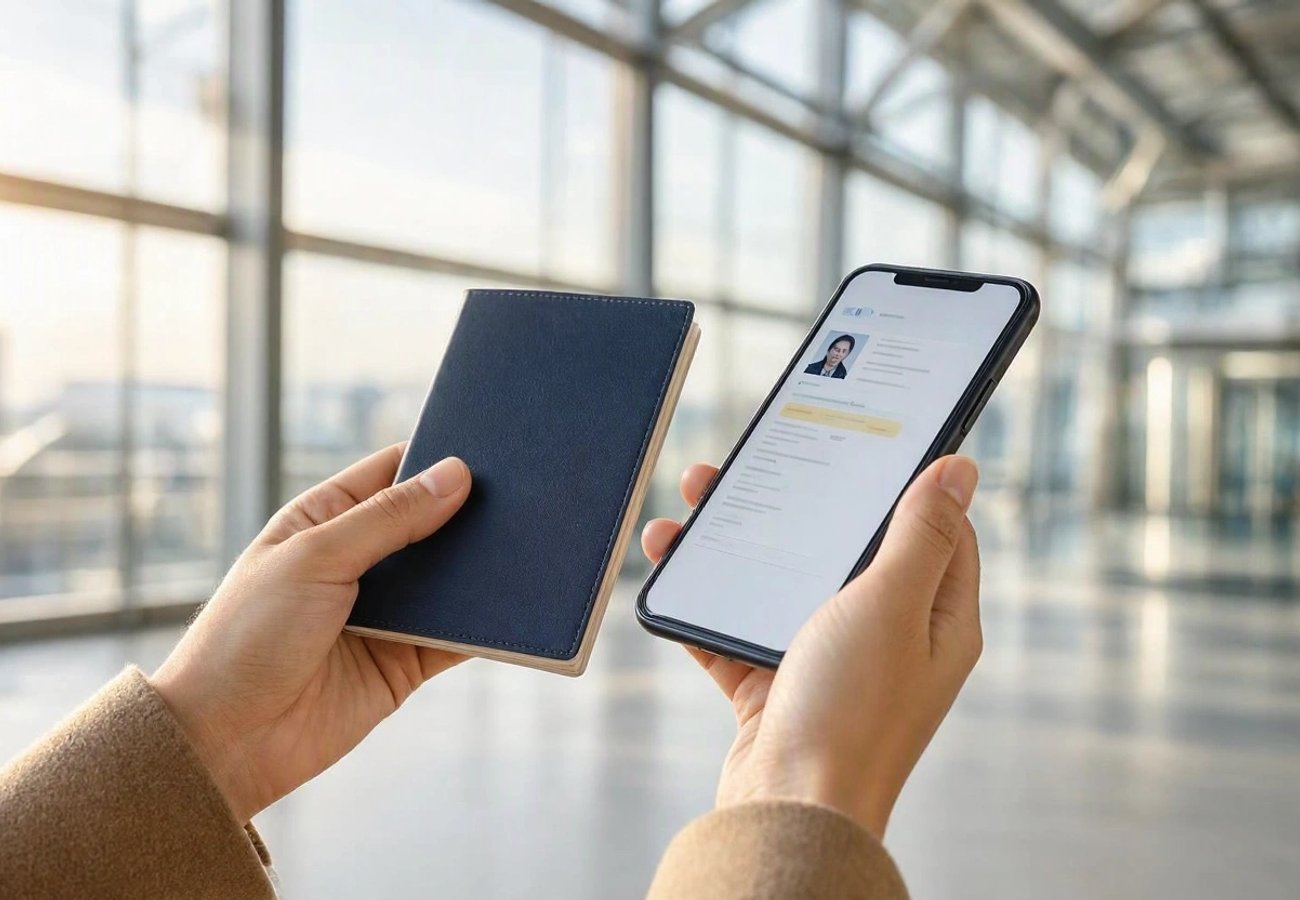
Image generated by AI
Are you traveling to the United States from Canada, Mexico, or anywhere in the Americas? Starting October 2026, you will likely notice that immigration officers are no longer physically stamping your passport upon arrival.
This shift marks a transition from traditional ink-and-paper documentation to a digital-first border management system. While the sound of the passport stamp has long been the signal that your entry formalities are complete, the United States is now prioritizing electronic records to verify admission and authorized stay periods.
The Shift to Digital Admission Records
The US Customs and Border Protection (CBP) has officially moved away from routine passport admission stamps during primary inspections. This change is not a relaxation of border security or a change in visa laws; rather, it is a logistical update to how your entry is recorded.
Under the new protocol, the electronic Form I-94 serves as the legal evidence of your admission. While officers may still use physical stamps during secondary inspections or in rare exceptional cases, the primary record of your legal status is now stored digitally. It is vital to understand that this does not waive visa requirements or guarantee entry; it simply changes the "receipt" you receive upon crossing the border.
Regional Impact and Documentation Scope
The phase-out affects a wide array of nations across the Western Hemisphere. The specific implications vary based on the traveler's nationality and the type of visa or waiver they are using.
| Region | Key Countries | Logistics Impact | Status |
|---|---|---|---|
| North America | Canada, Mexico | Electronic records replace stamps; many Canadians remain I-94 exempt | Active |
| Central America | Costa Rica, Panama, Guatemala, Belize, Honduras, El Salvador, Nicaragua | Electronic I-94 serves as primary evidence of admission | Active |
| Northern South America | Colombia, Venezuela, Guyana, Suriname | Digital records replace routine ink stamps | Active |
| Andean South America | Ecuador, Peru, Bolivia | Digital records applied based on immigration category | Active |
| Southern South America | Argentina, Brazil, Chile, Paraguay, Uruguay | Electronic I-94 used; Chileans may use ESTA | Active |
| Caribbean | Jamaica, Dominican Republic, Bahamas, Barbados, Trinidad & Tobago | Reliance on electronic I-94 where issued | Active |
Traveler Logistics Guide
For the modern nomad or frequent business traveler, the absence of a physical stamp creates a new requirement: you must proactively manage your digital records. Here is the step-by-step process for handling your entry in 2026.
1. Verify Your Admission Status Immediately Do not leave the airport or border crossing assuming your entry was recorded correctly. Access the official CBP I-94 Website immediately after passing through primary inspection. Enter your passport details to confirm that your admission classification and "Admit Until" date are correct.
2. Download and Store Your I-94 The electronic I-94 is your only legal proof of how long you are allowed to remain in the US. If you are applying for a driver's license, opening a bank account, or changing your visa status while in the US, you will be required to provide a printed copy of this digital record. Save a PDF version to a secure cloud drive.
3. Understand Nationality-Specific Exemptions Not every traveler receives an I-94. For example, most Canadian citizens visiting for tourism or business are exempt from routine I-94 requirements. Similarly, some Mexican citizens using Border Crossing Cards in designated border zones may not trigger an I-94 record. If you are in an exempt category, the lack of a stamp is normal and expected.
4. Manage Visa Waiver Requirements For travelers from Chile, the Electronic System for Travel Authorization (ESTA) remains the primary requirement for entry under the Visa Waiver Program. The digital I-94 complements the ESTA but does not replace the need for it.
Regional Connectivity Impact
This digital transition streamlines the flow of passengers at high-volume ports of entry, particularly along the US-Canada and US-Mexico borders. By removing the manual stamping process, CBP can reduce processing times during primary inspection. However, it places a higher burden of responsibility on the traveler to ensure their digital record matches their intended length of stay.
For South American and Caribbean travelers, this means a more consistent experience across different US ports of entry, as the digital record is centralized and accessible regardless of whether you enter via Miami, New York, or Los Angeles.
FAQ: US Digital Entry 2026
Do I still need a visa if there is no passport stamp? Yes. The removal of the physical stamp is a change in documentation, not a change in law. All visa and ESTA requirements remain exactly as they were before this shift.
How do I prove my legal entry date without a stamp? You must retrieve and print your electronic Form I-94 from the official CBP website. This digital document is the legal substitute for the traditional ink stamp.
Will I get a stamp if I am sent to secondary inspection? Possibly. The CBP bulletin indicates that while routine stamps are gone from primary processing, officers may still use physical stamps during secondary inspections or exceptional circumstances.
Can I check my bags through to my final destination? Yes. This change affects immigration documentation only and has no impact on baggage handling or customs declarations.
Digital borders are the new standard; keep your PDF records closer than your passport.
Related Travel Guides
Disclaimer
This article is for informational and educational purposes only. It does not constitute legal, financial, or professional advice. While we strive to provide accurate and up-to-date information, travel policies, regulations, and conditions change rapidly. Always verify information with official sources before making travel decisions. Nomad Lawyer makes no representations about the accuracy, reliability, completeness, or suitability of the information provided. Readers should consult qualified professionals for advice specific to their circumstances. The views expressed in this article are those of the author and do not necessarily reflect the views of Nomad Lawyer.
Kunal K Choudhary
Co-Founder & Contributor
A passionate traveller and tech enthusiast. Kunal contributes to the vision and growth of Nomad Lawyer, bringing fresh perspectives and driving the community forward.
Learn more about our team →