
Connecticut's AI Tourism Shift: How Bridgeport and Waterbury Use Digital Twins and IoT in 2026
Connecticut is redefining eco-friendly travel by integrating AI-driven spatial twins and IoT sensors across Bridgeport and Waterbury to optimize visitor flows and preserve heritage.

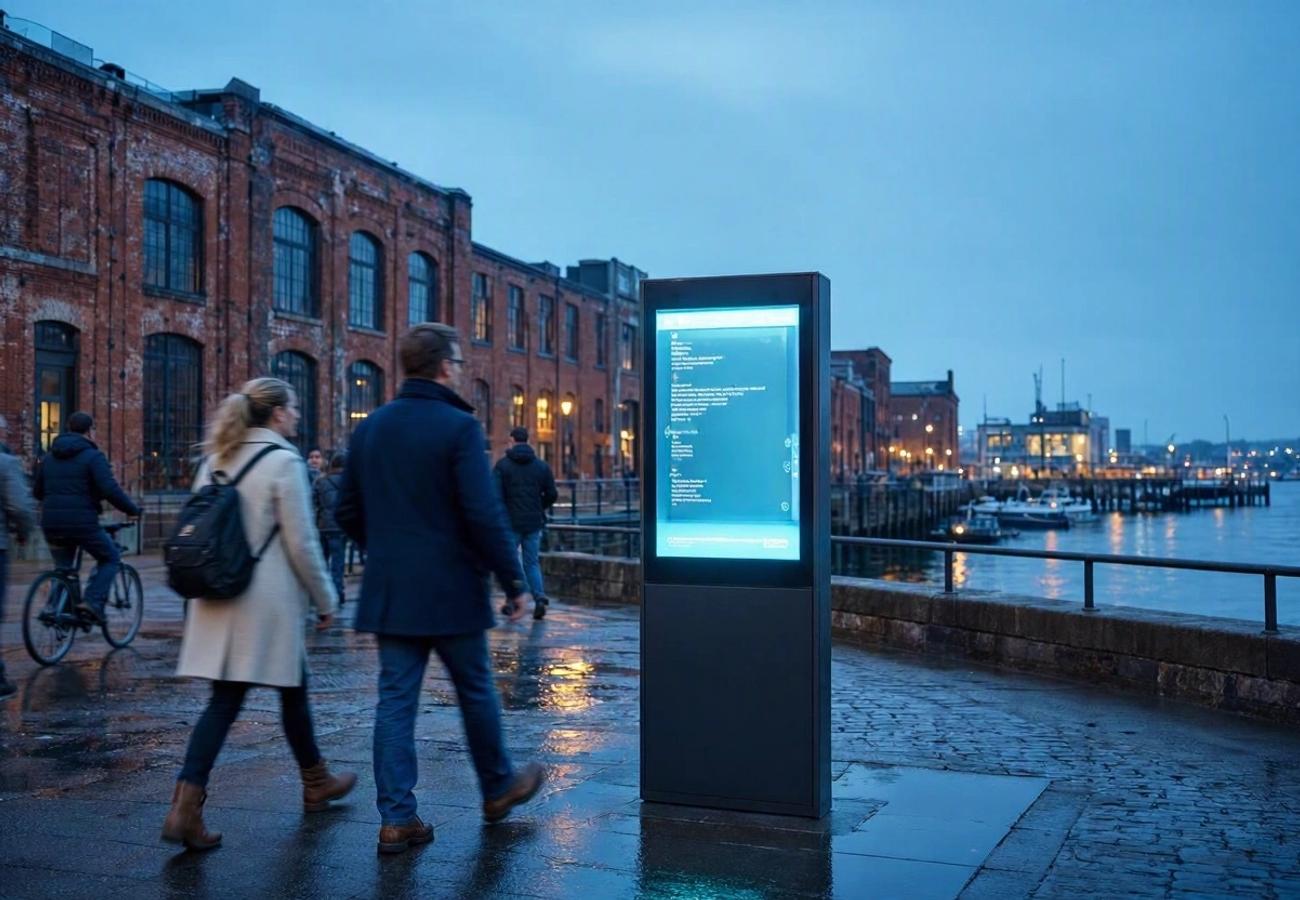
Image generated by AI
Connecticut has reached a point where the city itself acts as an intuitive guide, removing the need for paper maps or cumbersome apps. By embedding artificial intelligence into the very fabric of its urban centers, the state is transforming how travelers interact with coastal views and historic districts, making the journey feel personal and fluid rather than managed.
The Digital Shift in Connecticut Tourism
The state is no longer relying on static tourism brochures. Instead, it has implemented a centralized governance architecture overseen by the State AI Board and DAS BITS. This framework ensures that every AI deployment—from predictive traffic tools to digital tour guides—adheres to the Connecticut Responsible AI Framework, which mandates strict privacy protections and the elimination of algorithmic bias.
Through a partnership between the Connecticut Department of Transportation (CTDOT) and Ecopia AI, the state now uses geospatial data and foot-traffic analytics to manage how people move through urban corridors. This allows the Department of Economic and Community Development (DECD) to support local businesses by directing visitor flows in real-time without infringing on individual privacy.
Transforming Urban Centers Through Tech
Each city in Connecticut is applying this digital layer differently, depending on its unique geographic and cultural identity.
Stamford: The Financial Hub's Spatial Twins Stamford has become the state's flagship for transit-oriented development. By creating "spatial twins"—3D vector GIS models—the city simulates commuter movements around the Stamford Transportation Center. This allows planners to fix "last-mile" connection issues for those arriving via CTrail or Metro-North. Along the harbor, IoT sensors now track parking availability and vehicle emissions, routing drivers directly to open spots via digital signage to cut greenhouse gases.
New Haven: Academic Analytics In the "Elm City," the influence of Yale University is evident in the use of urban analytics. Contactless navigation and dynamic signage in the Chapel Street Historic District provide live updates on gallery openings and culinary hotspots. By monitoring foot-traffic data, the city can identify when landmark sites are overcrowded and nudge visitors toward hidden neighborhood gems, promoting the use of bike-shares over cars.
Hartford: Heritage and Predictive Flow The capital focuses on the intersection of history and mobility. The Greater Hartford Information Center, based at the Old State House, links visitors to real-time event routing. To prevent the typical gridlock seen during shows at the XL Center or the Bushnell Performing Arts Center, CTDOT uses predictive algorithms on the I-84 corridor to adjust signal timing dynamically based on real-time telemetry.
Revitalizing the Waterfront and Industrial Corridors
In Bridgeport and Waterbury, the focus is on turning forgotten spaces into sustainable destinations.
Bridgeport, the state's most populous city, is using multi-modal grants to digitize the Bridgeport Port Authority ferry terminals and the Hartford HealthCare Amphitheater. This ensures a smooth transition between rail, ferry, and venue. Furthermore, high-resolution spatial data is used at Seaside Park to balance the influx of tourists with the ecological needs of the Long Island Sound shoreline.
Waterbury is taking a different approach, focusing on its industrial past. Through the Naugatuck Valley Council of Governments (NVCOG), the city has installed smart directional routing along the Naugatuck River Greenway. By analyzing how pedestrians interact with renovated manufacturing sites, the city can better allocate resources to turn old industrial zones into active cultural hubs.
Economic Impact of Smart Tourism
The transition to AI-optimized travel is not just about convenience; it is a massive economic engine. The state's tourism sector now generates a total annual economic impact of $20.1 billion.
Connecticut Tourism Economic Metrics (2026)
| Metric | Value |
|---|---|
| Total Annual Economic Impact | $20.1 Billion |
| Direct Visitor Spending | $12.3 Billion |
| Local Jobs Supported | 125,167 |
| Annual State/Local Tax Revenue | $1.6 Billion |
| Average Daily Visitor Spend | $33.7 Million |
| Household Tax Savings (Avg) | $1,097 per year |
Spending patterns are tracked via machine learning algorithms used by CTvisit, revealing that food and beverage account for 27% of expenditures, while recreation makes up 26%.
Visitor Insider Tips
- Avoid the I-84 Bottlenecks: If attending an event in Hartford, check the CTDOT real-time telemetry feeds. The predictive signal timing is excellent, but arriving 45 minutes earlier than suggested often saves you from the initial surge.
- Navigate New Haven via Micromobility: Don't try to park in the Chapel Street district. Use the city's integrated bike-share system; the digital signage is designed to lead you to the least crowded galleries and cafes.
- Bridgeport Transit Hack: Use the integrated digital tracking for the Bridgeport Port Authority ferries. Timing your arrival with the regional rail synchronization is the fastest way to reach the waterfront without a car.
- Waterbury's Hidden Path: Follow the smart routing along the Naugatuck River Greenway. Many of the best adaptive-reuse industrial sites are not on standard maps but are highlighted on the local digital signage.
Cultural and Environmental Context
The integration of AI in Connecticut represents a delicate balance between economic growth and preservation. In Bridgeport, the use of geospatial monitoring at Seaside Park is a direct response to the threat of over-tourism on fragile coastal ecosystems. By tracking pedestrian density, the city can limit access to certain zones before environmental degradation occurs. Similarly, in Waterbury, technology is being used to breathe life into "brownfields"—former industrial sites—transforming them from environmental liabilities into cultural assets without erasing the city's blue-collar history.
FAQ: Visiting Connecticut 2026
What is the best way to get around the smart cities? Use the integrated multi-modal systems. In Stamford and Bridgeport, rely on the synchronized rail and ferry data. In New Haven, the bike-share and pedestrian digital signage are the most efficient options.
Is my data safe when using these AI tourism tools? Yes. All public-facing AI in Connecticut is governed by the Responsible AI Framework, which ensures transparency and strict privacy protections for visitor data.
When is the best time to visit the heritage corridors? Mid-week is ideal for Waterbury and Hartford to avoid the predictive traffic surges associated with weekend events and regional commuting.
Do I need special apps for the digital guides? Most systems are integrated into CTvisit.com and local digital signage, meaning you can access most routing and historical data via a standard web browser.
The future of travel isn't a map; it's a city that knows where you want to go before you do.
Related Travel Guides
Disclaimer
This article is for informational and educational purposes only. It does not constitute legal, financial, or professional advice. While we strive to provide accurate and up-to-date information, travel policies, regulations, and conditions change rapidly. Always verify information with official sources before making travel decisions. Nomad Lawyer makes no representations about the accuracy, reliability, completeness, or suitability of the information provided. Readers should consult qualified professionals for advice specific to their circumstances. The views expressed in this article are those of the author and do not necessarily reflect the views of Nomad Lawyer.
Raushan Kumar
Founder & Lead Developer
Full-stack developer with 11+ years of experience and a passionate traveller. Raushan built Nomad Lawyer from the ground up with a vision to create the best travel and law experience on the web.
Learn more about our team →